Turning Point USA: Shaping Conservative Youth and Campus Culture
An in-depth look at Turning Point USA’s role in promoting conservative ideals, its controversies, and ongoing influence across American campuses.
Additional reporting by Liam Walker, April Clark
Turning Point USA: Shaping The New Conservative Generation
Since its founding in 2012, Turning Point USA (TPUSA) has emerged as a leading force in mobilizing young conservatives across America’s high schools and college campuses. Established by Charlie Kirk and Bill Montgomery, the organization aims to promote principles of fiscal responsibility, free markets, and limited government among younger Americans. Headquartered in Phoenix, Arizona, TPUSA boasts a presence on over 3,500 campuses nationwide, making it arguably the country’s most influential conservative youth organization.
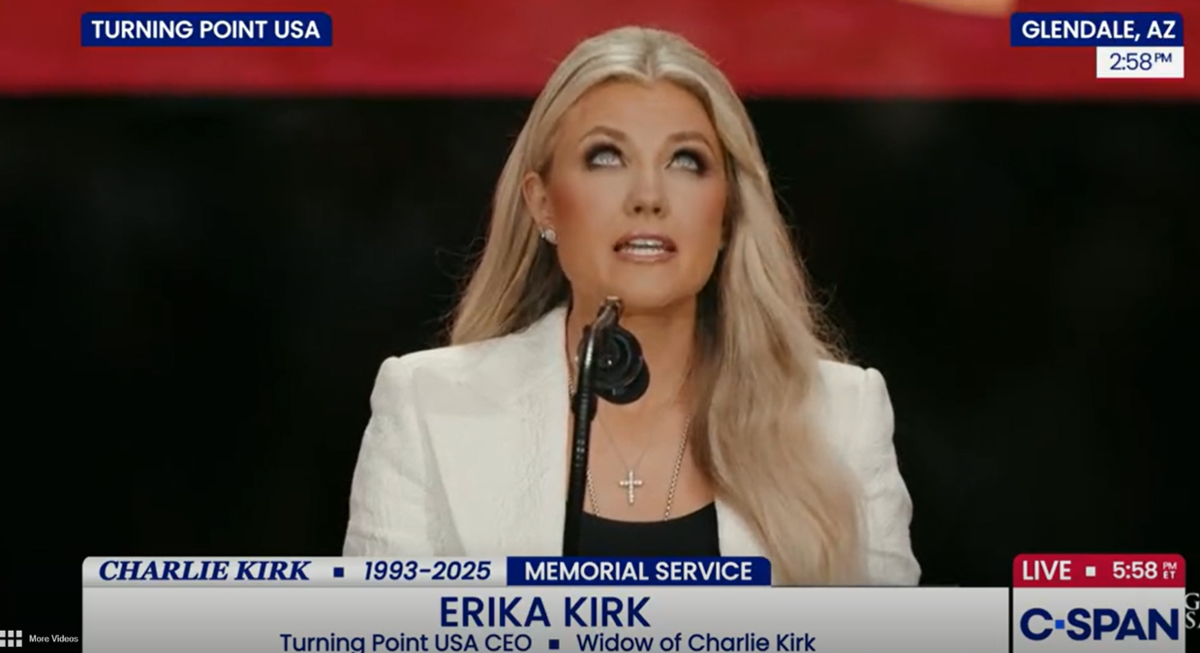
While its growth has been rapid, the prominence of TPUSA has also drawn significant scrutiny and controversy. The organization’s confrontational style and unabashed advocacy for conservative values have put it at odds with many academic institutions, progressive groups, and parts of the mainstream media. The tragic assassination of Charlie Kirk in 2025 during a campus speech brought national attention to the group’s role in shaping culture and politics on college grounds. As his widow, Erika Kirk, has stepped into leadership, Turning Point continues to expand its mission to cultivate conservative youth leadership.
"Turning Point USA is the frontline bulwark reclaiming free speech and conservative values among America’s youth against a left-wing academic culture."
Founding Principles And Organizational Growth
Turning Point USA was created to reverse what its founders saw as a left-wing dominance on university campuses that marginalizes conservative viewpoints. The group's mission revolves around energizing students to embrace free enterprise, personal responsibility, and constitutional principles, particularly the First and Second Amendments. Charlie Kirk’s vision was to create a grassroots movement that could counterbalance prevailing progressive ideologies in academia and student life.
The organization quickly advanced by creating student chapters nationwide, relying heavily on social media outreach and coordinated activism. By focusing on high schools and colleges, TPUSA taps into a formative demographic, helping to instill conservative values early and build a robust pipeline of future leaders. Annual events like the Student Action Summit and AmericaFest serve as key rallying points, drawing thousands of young conservatives to network, hear prominent speakers, and organize campaigns. Coverage of young conservatives' priorities at these events highlights the push for issues like economic freedom and immigration reform, positioning TPUSA at the heart of youth political debate young conservatives prioritize affordability.
Moreover, the organization’s approach leans heavily on building a staunchly loyal base. This strategy has created a powerful momentum on campuses where debates over free speech, political correctness, and identity politics are intensely fought. Indeed, TPUSA’s efforts have fundamentally altered the landscape where conservative students can gather, express dissenting views, and challenge left-wing orthodoxy. By empowering students through leadership training and grassroots activism, the group not only fosters ideological commitment but also practical political skills that promote lasting involvement in American conservatism.
Controversies And Campus Battles
Despite its widespread success, Turning Point USA has courted controversy repeatedly over its methods and rhetoric. One of its most infamous initiatives is the 'Professor Watchlist,' launched in 2016. This list publicly names and shames university professors accused of using their positions to discriminate against or indoctrinate conservative students. While supporters argue it protects free speech and student rights, critics view it as a threat to academic freedom and a potential tool for harassment.
The divisiveness surrounding the Watchlist grew as universities, faculty organizations, and civil liberties groups condemned TPUSA’s tactics as undermining respectful academic discourse. Yet from a conservative perspective, the campaign responds to documented instances of ideological bias that many students face on campus. This tension exemplifies the broader national debate over censorship, free expression, and ideological diversity in education. Notably, the Watchlist has ignited conversations about the fairness of classroom discussions and the objectivity of academic instruction. While some see it as necessary to defend conservative students, others warn about chilling effects on professors and intellectual exchange.
In addition, TPUSA has been accused by opponents of interfering in student government elections, fostering polarization through aggressive messaging, and sometimes spreading misinformation for political gain. These criticisms, however, largely ignore the organization’s role in reinvigorating political engagement among young people who might otherwise be disenchanted or silent. The recent FBI decision to end a partnership with the Anti-Defamation League following controversy over TPUSA’s designation reflects a shifting attitude toward conservative activism within federal agencies FBI ends partnership with ADL. Such developments underscore an ongoing tension between governmental agencies and the framing of conservative groups within the larger political and cultural landscape.
The frequent clashes between TPUSA and progressive campus groups also echo the broader ideological battlefield in American society, where questions over free speech, political correctness, and culture wars continue to dominate. These disputes often revolve around what constitutes acceptable political discourse, with TPUSA critics asserting the group fosters division and hostility, while supporters celebrate its role in preserving ideological balance and vigorous debate.
Charlie Kirk’s Leadership And Enduring Legacy
Charlie Kirk was the charismatic figurehead of Turning Point USA from its inception until his assassination in 2025. His youth, eloquence, and fearless style made him a lightning rod, inspiring countless students to political activism while simultaneously attracting vitriolic criticism from progressives. Kirk was unapologetic about pushing back against what he described as cultural Marxism and anti-conservative bias on campus.
His death was a shocking moment for the conservative movement, stirring an outpouring of support across the country. Vigils and memorial services filled venues from campuses to concert halls, and the impact of his legacy on conservative activism was widely reflected upon vigil at Kennedy Center honors Kirk. Tributes underscored his efforts to battle campus loneliness and defend free speech, emphasizing how his death underscored growing tensions in American society address campus loneliness and free speech.
Following Kirk’s assassination during a speech at Utah Valley University, his widow, Erika Kirk, assumed leadership of TPUSA. She has vocalized a firm commitment to continue and expand the organization’s mission, particularly focusing on empowering young conservative women—an area she champions actively Erika Kirk’s leadership. The transition has been handled with determination to preserve the momentum Charlie built and to keep conservative activism vibrant among the youth. Under Erika's stewardship, TPUSA has sought to blend the foundational goals with renewed attention to inclusivity within the conservative youth movement, recognizing the importance of engaging various demographic groups while maintaining core principles.
The Impact On American Political And Campus Culture
Turning Point USA’s influence extends beyond campus politics to the broader political ecosystem. By cultivating millions of young conservatives, it helps shape the future electorate, energizes grassroots movements, and impacts policy debates. The organization’s emphasis on economic freedom and limiting government interference aligns with traditional conservative values widely held among its supporters. This focus reflects the broader conservative agenda that values individual liberty, national sovereignty, and a restrained federal government.
Though detractors accuse TPUSA of promoting divisiveness, many conservatives see it as a necessary corrective to long-standing left-wing dominance in education and cultural institutions. The ability of TPUSA chapters to organize quickly and effectively has altered how political discourse occurs among youth, providing a counterweight to progressive organizations. This dynamic was notably apparent when young conservative priorities at TPUSA’s AmericaFest highlighted pressing issues like affordability and immigration reform, resonating with broader national concerns prioritize affordability and immigration.
Furthermore, Turning Point has helped normalize conservatism on campuses that have otherwise been inhospitable to dissenting viewpoints, fostering an environment where free-thinking is encouraged. As such, its legacy ties closely to the defense of free speech rights and pushing back against political censorship in academic institutions. In a cultural era where ideological conformity often pressures students, TPUSA’s presence offers a platform for alternative perspectives and reinforces constitutional freedoms in education.
By influencing a generation early, Turning Point USA contributes to the long-term reshaping of political allegiances and conservatism’s presence in American life. Its efforts can be seen as part of a larger conservative strategy to rebuild institutions and culture starting with young people, ensuring the vitality of their principles into future decades.
Navigating Challenges And The Road Ahead
The path for Turning Point USA is not without obstacles. The organization must contend with ongoing hostility from media outlets, left-wing activists, and even some within education who deem its approach confrontational or disruptive. Balancing assertive activism with maintaining broad appeal and protecting members’ safety remains a delicate challenge.
Security concerns came sharply into focus after the violent assassination of Charlie Kirk, raising alarms about escalating political violence and campus safety protocols. These issues necessitate robust responses to ensure that conservative voices can be heard without fear of intimidation or harm. The tragedy has pushed conversations about protecting political activities on campuses, the responsibilities of universities in safeguarding free expression, and the challenges of volatile social climates.
Meanwhile, TPUSA must continue to adapt its messaging and outreach to a changing youth demographic that faces new economic and social pressures. As economic concerns like affordability and job prospects dominate young voters’ priorities, TPUSA’s messaging increasingly incorporates pragmatic issues alongside ideological ones to maintain relevance and support.
Erika Kirk’s leadership signals a renewed focus on unifying conservative youth, expanding the role of women within the movement, and preserving the core message of limited government and personal responsibility. The organization’s future success will likely depend on how well it can maintain grassroots enthusiasm while navigating controversies and evolving national politics. This includes expanding digital activism, combating online censorship, and fostering inclusive yet principled discourse.
Pulling from its history, TPUSA remains a critical bellwether of conservative youth activism in America, shaping the ideological battles that define campus culture and beyond. Its trajectory will continue to influence the political fabric, education policy debates, and the broader cultural struggle over values.
Conservative Perspectives And Critiques
Conservatives broadly appreciate Turning Point USA for its unwavering stance against political correctness, its defense of free speech, and strengthening the conservative movement’s foothold among young Americans. TPUSA’s ability to mobilize students and produce articulate young leaders is often highlighted as crucial to reversing cultural and political leftward trends within academia and popular culture.
Some conservatives, however, caution that the organization's confrontational tactics and aggressive style might alienate moderate students or inadvertently fuel polarization. While the organization effectively champions traditional values, nuances around fostering open dialogue and coalition-building remain topics of internal discussion. Conservative strategists continue to debate how to balance unapologetic advocacy with broader outreach to independents and undecided youth.
On the other hand, liberal critics frequently characterize TPUSA as fostering division and intolerance, accusing it of encouraging harassment and undermining academic freedom—claims defenders vehemently reject as politically motivated smears. These ongoing disputes underscore the highly charged nature of ideological debates on campus and the importance for conservatives to maintain vigilance against attempts to marginalize dissenting viewpoints.
Ultimately, the challenge lies in sustaining a constructive conservative presence that is both unapologetic and capable of broad-based appeal, a balance TPUSA strives to maintain despite the controversies it faces. The organization’s prominence ensures it will remain a central figure in cultural and political dialogues for years to come.
Frequently asked questions
What is the primary mission of Turning Point USA?
TPUSA aims to promote conservative principles such as free markets, fiscal responsibility, and limited government among high school and college students.
Who founded Turning Point USA and when?
Charlie Kirk and Bill Montgomery founded the organization in 2012.
What was the 'Professor Watchlist' controversy?
Launched in 2016, it publicly identifies professors accused of discriminating against conservative students, sparking debates over academic freedom.
How did Charlie Kirk’s assassination impact TPUSA?
His death in 2025 brought national attention to the organization and resulted in his widow, Erika Kirk, assuming leadership.
What role does Erika Kirk play in TPUSA today?
She leads the organization, emphasizing continued advocacy and expanding young women’s involvement in conservative activism.
How does TPUSA influence campus culture?
Through student chapters and events, TPUSA fosters conservative activism, promotes free speech, and challenges left-wing dominance.
Has TPUSA faced any criticism or pushback?
Yes, critics accuse it of divisive tactics, election interference, and fostering hostility toward liberal professors and students.
What are TPUSA’s signature events?
The Student Action Summit and AmericaFest are major annual gatherings that energize and connect young conservatives.
Timeline of our coverage
- 2026-06-04 — Southern Poverty Law Center Indicted for Allegedly Funding Racist Posts
- 2025-12-23 — Young Conservatives Prioritize Affordability and Immigration at AmericaFest
- 2025-10-13 — Trump to Posthumously Award Charlie Kirk the Presidential Medal of Freedom
- 2025-10-02 — FBI Ends Partnership with ADL Following Controversy Over TPUSA Designation
- 2025-09-25 — Erika Kirk's Leadership at Turning Point Aims to Influence Young Women
- 2025-09-23 — Erika Kirk Honors Late Husband's Legacy at Memorial Service
- 2025-09-23 — Charlie Kirk’s Death Is Filling Churches Across The Country
- 2025-09-19 — Charlie Kirk's Efforts Address Campus Loneliness and Free Speech
- 2025-09-16 — Senator Grassley Alleges FBI Targeted Republican Groups Under Wray
- 2025-09-16 — Vigil at Kennedy Center Honors Charlie Kirk Following Assassination
- 2025-09-15 — Conservative Activist Charlie Kirk Killed on College Campus
- 2025-09-15 — Reflecting on Moral Courage in the Wake of Charlie Kirk's Legacy
- 2025-09-13 — GLAAD Criticizes Charlie Kirk Following His Death
- 2025-09-10 — Charlie Kirk, 31, Assassinated During Utah Speech
- 2025-09-10 — Turning Point USA Founder Charlie Kirk Shot in Utah
The Bottom Line
- TPUSA shapes the political views of millions of young Americans at a formative stage.
- The organization's advocacy influences debates on free speech and academic freedom.
- Its growth challenges leftist dominance in higher education and youth culture.
- TPUSA's controversies highlight the ongoing polarization in American society.

Sources
- Factually.co: Turning Point Usa Controversies Explained 26b594
- Factually.co: Turning Point Usa Controversies 13ca61
- Factually.co: Criticisms Of Turning Point Usa E61b1a
- Thedailybeast.com: Maga Turns On Dave Chappelle Over Shocking Charlie Kirk Joke
- Thedailybeast.com: Megyn Kelly Tears Into Dave Chappelle After Calling Him Fearless
- Theatlantic.com: 685869
- Tpusa.com: About
- En.wikipedia.org: Turning Point USA