TLT Explains
New York Mayor Proposes Nearly 10% Property Tax Increase, Sparking Debate on Middle-Class Impact
What's happening
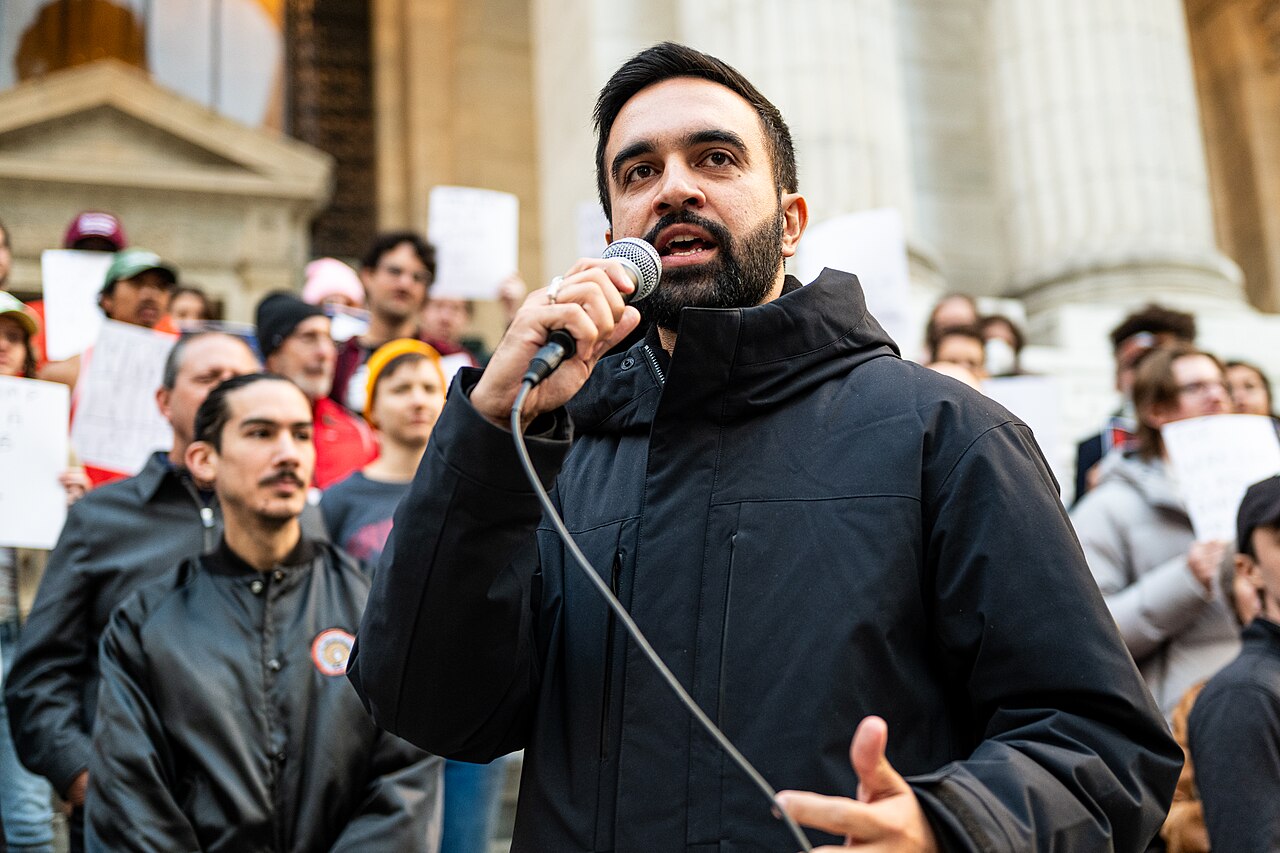
New York City Mayor Zohran Mamdani has introduced a proposal to raise property taxes by nearly 10 percent, igniting a heated debate about the financial impact on middle-class families. This move comes amid growing concerns over the rising cost of living in the city, where residents are already facing increased expenses for housing, food, and healthcare. The proposed tax hike has drawn criticism from various quarters, with opponents arguing that it places an undue burden on households that are struggling to manage their budgets. Supporters, however, contend that the increase is necessary to sustain essential government services and infrastructure in one of the nation's largest cities.
The background to this proposal includes a long-standing political narrative within the Democratic Party that government programs and benefits can be funded without raising taxes on the middle class. Historically, Democratic leaders have emphasized that only the wealthy should bear the brunt of tax increases, aiming to protect middle-income earners from additional financial strain. This approach has been a consistent theme in recent decades, shaping campaign promises and policy discussions. However, Mayor Mamdani’s admission that his agenda might require broader tax increases marks a departure from this traditional stance.
Mamdani has openly acknowledged that families may need to pay "a little bit more" to support government programs, a statement that has sparked sharp criticism from conservatives and some residents. This candidness challenges the prevailing political narrative and raises questions about the feasibility of funding expansive public services without tapping into middle-class resources. The mayor’s proposal has thus become a focal point for wider discussions about fiscal responsibility, government spending, and the political risks of raising taxes on a demographic that has often been shielded from such increases.
The stakes of this debate are significant for New York’s middle class, many of whom are already feeling the squeeze from inflation and stagnant wages. Property taxes are a major expense for homeowners and can also indirectly affect renters if landlords pass on increased costs. For families balancing tight budgets, any additional tax burden could exacerbate financial stress and potentially influence decisions about housing and employment. The broader community impact includes potential shifts in economic activity and demographic patterns, as tax policies influence where people choose to live and work.
What's at stake
The political context surrounding this proposal is complex. Democratic leaders have historically avoided explicit discussions about middle-class tax hikes due to fears of voter backlash and electoral consequences. For example, during the 2020 presidential campaign, Senator Elizabeth Warren proposed large-scale federal spending initiatives without clearly outlining middle-class tax contributions. Similarly, Senator Bernie Sanders acknowledged the need for broad tax increases to fund healthcare reforms but emphasized that most Americans would ultimately save money. Mamdani’s approach breaks from this pattern by openly confronting the possibility of middle-class tax increases.
Critics of the mayor’s proposal argue that it contradicts previous Democratic assurances and risks alienating a key voter base. They point to past instances where political promises about taxes were perceived as broken, such as former President Barack Obama’s pledge not to raise taxes on families earning under $250,000, which was later complicated by tax changes on certain products. These historical precedents contribute to skepticism about the reliability of political commitments on taxation and fiscal policy. The backlash to Mamdani’s plan reflects these broader concerns about trust and accountability in government.
The fiscal environment at both the city and federal levels adds another layer to the debate. The Congressional Budget Office has warned of rising federal debt and increasing interest costs, which are projected to exceed $1 trillion this year. This context underscores the challenges governments face in balancing spending needs with sustainable revenue sources. Mamdani’s proposal has prompted calls for greater spending restraint and entitlement reform, highlighting the tension between funding public services and managing fiscal responsibility. Experts like Chris Jacobs of Juniper Research Group have noted that the mayor’s plan illustrates the difficulty of maintaining government programs without placing additional burdens on families.
Political reactions to the proposal remain mixed. Conservatives have welcomed the discussion on fiscal responsibility and the implications of tax increases, while supporters argue that the benefits of government programs justify the costs. The debate is unfolding as New York City confronts critical decisions about its budget priorities and the future of public services. The mayor’s office has yet to fully address the criticisms, leaving uncertainty about how the administration will navigate the political and economic challenges ahead. This ongoing discourse is likely to influence policy decisions and electoral dynamics in the city and potentially serve as a model for other urban centers facing similar fiscal dilemmas.
Looking ahead, the key developments to watch include how the city council and other stakeholders respond to the mayor’s proposal, whether adjustments are made to mitigate the impact on middle-class families, and how public opinion evolves. The timeline for implementing any tax changes will be closely scrutinized, as will the administration’s efforts to communicate the rationale and benefits of the increase. Additionally, broader discussions about federal fiscal policy and spending reforms may intersect with local debates, shaping the overall landscape of taxation and government funding. The outcome of this debate could set important precedents for balancing public needs with economic realities in New York and beyond.
Why it matters
The proposal challenges the longstanding Democratic position of protecting the middle class from tax increases. Middle-class families in New York are already facing high living costs, making any tax hike particularly impactful. The financial strain on households could affect housing affordability and economic stability in the city.
Political leaders risk voter backlash by proposing tax increases on a demographic traditionally shielded from such measures. The debate highlights broader concerns about fiscal sustainability and government spending priorities. How this issue is resolved may influence tax policy discussions in other major cities across the country.
The proposal forces a reconsideration of how public services are funded amid rising federal and local debt.
Key facts & context
Mayor Zohran Mamdani proposed a nearly 10 percent increase in New York City property taxes. The proposal has sparked debate over its impact on middle-class families already facing rising housing, food, and healthcare costs. Democratic leaders have historically avoided raising taxes on the middle class to prevent political backlash.
Previous Democratic figures, including Barack Obama, Elizabeth Warren, and Bernie Sanders, have made tax promises that avoided direct middle-class tax hikes. The Congressional Budget Office warns that federal debt and interest costs are reaching unprecedented levels. Interest costs on federal debt are expected to exceed $1 trillion this year.
Critics argue that the mayor’s proposal contradicts Democratic assurances about tax burdens. Supporters claim the tax increase is necessary to maintain public services and infrastructure in New York City. Political reactions are divided, with conservatives emphasizing fiscal responsibility and supporters focusing on service funding.
The mayor’s office has not yet publicly responded in detail to the criticisms of the tax proposal. Experts like Chris Jacobs highlight the challenges of funding government services without increasing burdens on families. The outcome of this debate could influence future tax policies and electoral outcomes in New York and other urban areas.
Timeline & key developments
2026-03-02: New York Mayor Proposes Property Tax Hike, Sparking Debate on Middle-Class Taxation. Additional reporting on this topic is available in our broader archive and will continue to shape this timeline as new developments emerge.
Primary sources
Further reading & references
- (Additional background links will appear here as we cover this topic.)
Related posts
- Critics Question Viability of Zohran Mamdani's 'Sewer Socialism' in New York City
- Mass Migration Made A Ugandan Socialist Mayor Of NYC
- NYC Voters Elect Communist Zohran Mamdani As Next Mayor
- New York Times Profiles Socialist Mayoral Candidate Zohran Mamdani
- New York Mayoral Candidate Zohran Mamdani Faces Criticism Over Physical Fitness
- NYT Is Terrified Of Mamdani, The Mayor It Helped Create