Texas Democrats have introduced seven bills ahead of the 90th legislative session that would raise the state minimum wage to either $15 or $17 an hour, according to filings and legislative records.
The proposals set up a clash over whether higher mandated wages would ease or worsen affordability for Texas workers and businesses. The debate is expected to be a central issue as lawmakers return to Austin, reflecting broader national conversations about wage standards and economic policy.
The push comes as affordability remains a top concern for Texas voters, with Democrats arguing that raising the minimum wage would help address inflation and rising costs. Many workers in Texas currently earn the federal minimum wage of $7.25 an hour, a rate unchanged since 2009. Supporters of the proposed increases say that the current minimum wage is not enough to keep up with the cost of living in Texas cities and rural areas alike.
Details of the Minimum Wage Bills
Six of the bills would set a $15 minimum wage. Senate Bill 295, filed by Sen. Roland Gutierrez, would require employers to pay at least $15 an hour unless the federal minimum wage is higher, and would repeal Section 62.151 of the Texas Labor Code, which currently exempts certain employees covered by federal law. Companion bills in the House include House Bill 110 by Rep. Ana-María Rodríguez Ramos, House Bill 132 by Rep. Armando Walle, House Bill 856 by Rep. Rafael Anchía, and two bills by Rep. Lauren Simmons—House Bill 972 and House Bill 1051. Legislative records confirm the filings and their provisions. SB295 history, HB110 history, HB132 history, HB856 history, HB972 history, HB1051 history.
A separate measure, House Bill 246 by Rep. Trey Martinez Fischer, would set the minimum wage at $17 an hour or the federal minimum wage, whichever is greater. This bill would also repeal Section 62.151 but would not include an annual inflation adjustment, instead establishing a fixed $17 hourly rate. Bill text details the proposed changes to Section 62.051 of the Labor Code.
If any of these bills are enacted, Texas would join a growing list of states and cities nationwide that have moved to raise minimum wages above the federal level. According to the Texas Workforce Commission, the state currently defaults to the federal minimum wage, with limited exceptions for certain employees. The new proposals would eliminate some of those exemptions and set a higher wage floor for most workers.
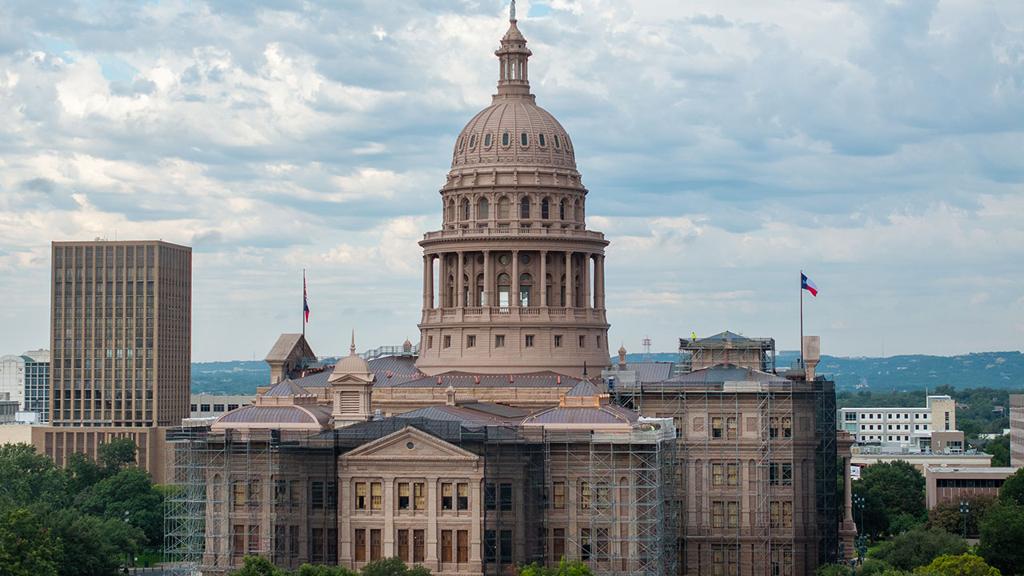
The Texas Legislature is scheduled to convene on Jan. 12, when these bills may be considered. The legislative session will last 140 days, giving lawmakers until late May to debate and vote on the proposed changes.
Arguments Over Economic Impact
Supporters of the bills say the measures are intended to provide relief from inflation and rising living costs. They argue that higher wages would help low-income families afford basic necessities, reduce poverty, and stimulate local economies by increasing workers' purchasing power. Proponents also point to studies suggesting that higher minimum wages can reduce employee turnover and improve productivity.
However, critics warn that mandated wage hikes could have unintended consequences for the state’s economy. James Quintero, policy director for the Texas Public Policy Foundation’s Taxpayer Protection Project, argued that government-imposed wage floors could lead employers to cut hours, raise prices, automate jobs, or reduce hiring for entry-level positions. He said such measures could ultimately hurt the very workers they are intended to help.
"If the 90th Texas Legislature truly wants to help low-skilled workers and everyone else, then they’ll stop dreaming up new one-size-fits-all mandates and start radically reducing the cost of government by slashing property taxes, cutting red tape, and restraining local budgets. That’s the best way to put money in people’s pockets and keep Texas’ labor force strong."
— James Quintero, policy director, Texas Public Policy Foundation
Quintero also questioned the logic of the proposed wage levels, stating, "Texas progressives believe that raising the minimum wage will benefit low-wage workers. That raises a question: If wage floors help workers and the economy, then why are lawmakers trying to set it so low? Rather than a $15 wage mandate, these folks should be pushing for a $50, $100, or $250 hourly rate."
Business groups and some economists have echoed concerns about potential job losses, especially in rural areas and among small businesses with thin profit margins. They warn that higher labor costs could force some employers to reduce staff or close altogether.
Legislative Outlook and Response
The bills’ prospects remain uncertain in the Republican-controlled Legislature, where previous efforts to raise the minimum wage have stalled. In recent sessions, similar proposals have failed to advance out of committee. Republican leaders have generally opposed state-level wage mandates, arguing that market forces should determine pay rates.
Supporters of the proposals have not yet issued detailed public responses to criticisms about potential job losses or higher consumer prices. However, Democratic lawmakers have said they plan to make the issue a priority in the upcoming session, citing polling that shows strong public support for raising the minimum wage.
The Legislature will begin considering new bills when it convenes on Jan. 12. Lawmakers will have the opportunity to hold hearings, debate amendments, and vote on the measures during the session. The outcome will likely depend on negotiations between the two parties and the willingness of legislative leaders to bring the bills to a vote.
As the session approaches, both sides are expected to intensify their advocacy, with business groups, labor unions, and community organizations preparing to lobby lawmakers on the issue. The debate over the minimum wage is likely to remain a key topic throughout the legislative session and could influence broader discussions about economic policy in Texas.