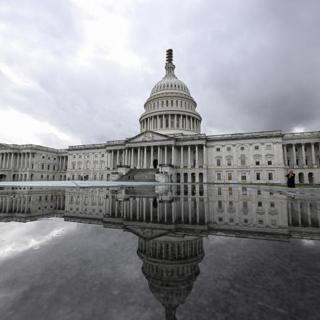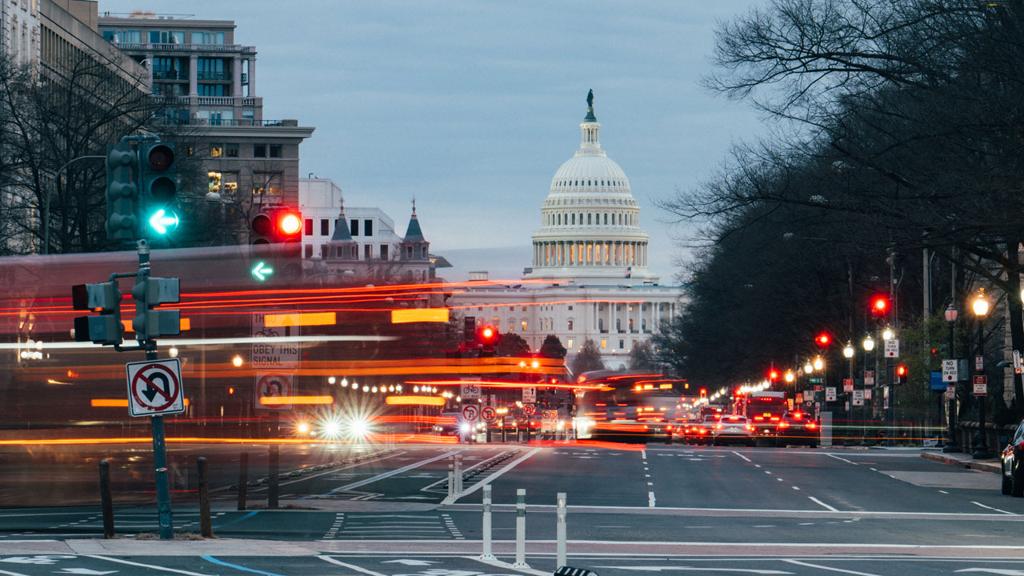
Republicans lost 44 seats in the House and nine in the Senate in November, marking one of the party’s worst congressional defeats in decades, according to RealClearPolitics. The losses leave Republicans with 171 House seats and 44 Senate seats, requiring gains of 47 and seven seats, respectively, to reclaim outright majorities in each chamber. The scale of the defeat has raised questions about how long it will take for Republicans to recover, with some party leaders warning the setback could delay a return to power for years.
Explainer Attorney General Ken Paxton’s Legal Impact on Texas Policies and Public Safety
Over the past thirty years, both parties have suffered major congressional losses but have often rebounded within a decade, according to historical data from the House and the Senate. The stakes are high as Republicans weigh their path forward amid shifting political dynamics and upcoming redistricting, which could reshape the electoral map in the years ahead.
Historical Patterns of Recovery
Between 1994 and 2024, each party lost the House majority twice, with the losing party suffering an average loss of 47.5 seats and 19% of its members. In the Senate, there were four instances where a party lost three or more seats and its majority, with an average loss of 6.3 seats and 11.6% of members. Despite these setbacks, the average time to regain the House majority was seven years, and seven and a half years for the Senate.
Democrats, for example, regained the Senate majority just six years after their 2014 defeat, when they lost nine seats and 17% of their members. Republicans’ 2026 House percentage loss (20%) was lower than Democrats’ 2010 loss (24.9%) and nearly matched Democrats’ 1994 loss (20.9%). These historical patterns suggest that while the current Republican losses are significant, they are not unprecedented, and recovery within a decade is possible if political conditions shift.
"As bad and shocking as they were when DeSantis spoke the day after the drubbing, they have gotten worse since then, as more close races have been decided."
— Ron DeSantis, Florida Governor
Factors Shaping the Path Forward
Several factors could influence how quickly Republicans recover. Some Republican-leaning states did not conduct mid-decade redistricting, which could produce more favorable districts by 2032. The next reapportionment after the 2030 census is expected to shift seats toward traditional red states, with estimates suggesting up to 11 seats could be gained. This shift could provide Republicans with a structural advantage in future House races.
In the Senate, Republicans will defend fewer seats in upcoming cycles—19 of 35 in 2028 and 14 of 33 in 2030—compared to 22 of 35 in 2026. The 2032 cycle could present opportunities, as eight Democratic senators who won in 2026 may be vulnerable in states such as North Carolina, Alaska, Iowa, Kansas, Ohio, Texas, South Carolina, and Mississippi. These states have historically leaned Republican or are considered competitive, potentially giving the party a chance to regain lost ground.
Impact of Leadership and Recent Losses
Republicans’ 2026 losses were compounded by the challenges of having an incumbent president in his second term and by President Trump’s involvement in several Senate races. Trump’s endorsements, including those of J.D. Vance in Ohio, Darline Graham in South Carolina, and Ken Paxton in Texas, as well as his criticism of Senator Thom Tillis in North Carolina, were cited as contributing factors. These dynamics are unlikely to recur in the next cycle, as the political landscape and party leadership may shift in the coming years.
Florida Governor Ron DeSantis described the party’s losses as “close to an extinction-level event.” However, the historical record suggests parties can recover more quickly than expected, especially if they adapt their strategies after major defeats. The ability of party leaders to reassess their approach and respond to changing voter concerns will be critical in determining the pace of recovery.
Looking Ahead to Redistricting and Vulnerable Seats
Upcoming redistricting and reapportionment, along with the possibility that some Democratic gains in 2026 may be difficult to defend without the momentum of a wave election, could provide Republicans with openings to regain ground. The party’s ability to alter course and capitalize on these opportunities will be critical in determining how soon it can return to majority status. Historically, both parties have managed to rebound from significant losses when political conditions shift, and the coming cycles will test whether Republicans can do the same.
Democratic leaders have not publicly addressed the likelihood of Republican recovery, but historical precedent indicates that both parties have managed to rebound from significant losses when political conditions shift. As Republicans look ahead, their prospects will depend on a combination of redistricting outcomes, the national political environment, and their ability to present a compelling alternative to voters.