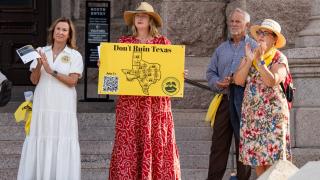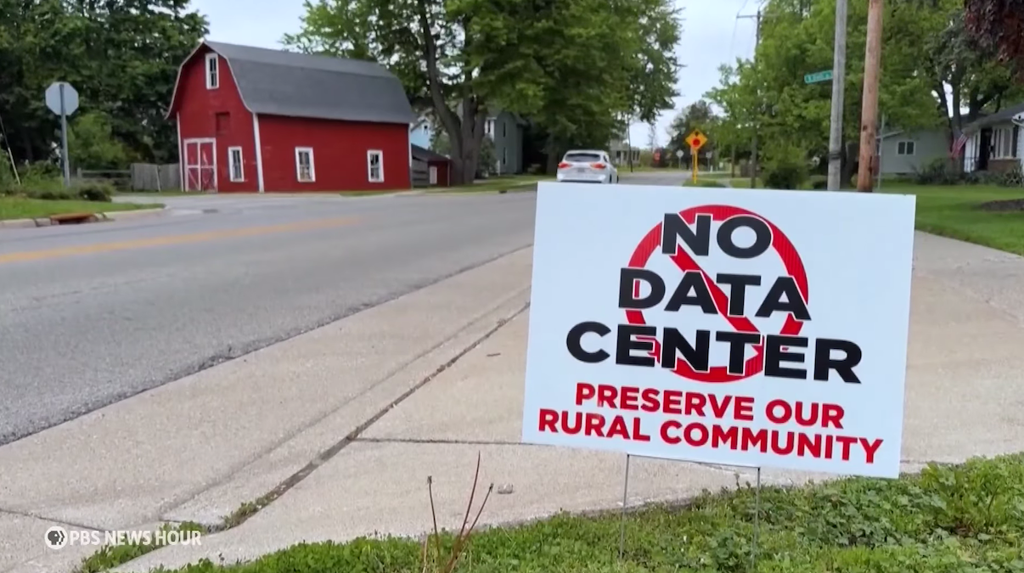
Public resistance to the expansion of AI data centers is intensifying, with recent polls showing strong opposition that crosses political and demographic boundaries. Surveys from Fox News and Gallup indicate that a majority of Americans do not want new data centers built in their communities, with a Fox News poll reporting a 40-point margin against such projects.
The core debate centers on whether the economic and technological benefits of AI data centers outweigh growing fears about their broader social and cultural impact.
This resistance comes as tech companies and some policymakers tout data centers as engines of economic growth, job creation, and local tax revenue. However, polling and commentary suggest that many Americans remain unconvinced, associating the facilities with a wave of rapid technological change that has already transformed daily life and, critics argue, contributed to social fragmentation and mental health challenges.
Polls Show Widespread Skepticism
According to Fox News and Gallup, opposition to AI data centers is not limited to one party or region. The Fox News poll found that voters reject new data centers by a significant margin, while Gallup reports similar findings, with concerns about environmental impacts such as water and electricity usage, pollution, and loss of farmland frequently cited by respondents.
Yet, as John Daniel Davidson writes in The Federalist, these environmental objections are only part of the story. Many skeptics, he argues, are motivated by deeper anxieties about the direction of the digital revolution and the societal changes it has brought. "The reason so many people are skeptical of the next phase of the digital revolution is because they don’t believe the first phase has made their lives better," Davidson writes.
Fears Beyond the Environment
Critics of AI data centers warn that the facilities will accelerate trends already seen with the rise of the internet, smartphones, and social media, including increased isolation, addiction, and mental health struggles among young people. Davidson points to survey data from the Institute for Family Studies showing that 43% of men aged 18 to 29 agree with the statement, "I am inclined to think that I am a failure," and 61% say they often feel little control over their lives. He also notes a nearly 70% increase in the youth suicide rate since the early 2000s, which some attribute to the effects of digital technology.
"They object because they know that the promises of the digital revolution were empty, and that the internet and social media and hyper-connectivity has not made life better."
— John Daniel Davidson, senior editor at The Federalist
Supporters of data centers, including some on the right, argue that these projects bring substantial economic benefits. The Daily Wire highlights claims that data centers create thousands of construction jobs, generate significant tax revenue, and can even lower local property taxes. President Trump has stated that new policies require data centers to build their own power plants, which he says will reduce strain on the grid and lower electricity costs.
Economic Arguments and Political Divide
Despite these arguments, opposition persists. Davidson contends that focusing solely on economic upsides fails to address the underlying fears about job loss, loss of political freedom, and the social consequences of an AI-driven economy. He writes that skeptics worry about "the end of work in America" and the potential for an AI-managed public square to undermine free speech and self-government.
Meanwhile, some conservative commentators caution against adopting what they see as left-wing talking points about data centers. The Daily Wire warns that conservatives should not be "using the Left's talking points to urge Americans into making bad data center decisions," emphasizing the national security and economic importance of these facilities.
What to Watch Next
As the debate continues, both sides appear entrenched. Polls suggest that economic arguments alone are unlikely to sway skeptics, whose concerns are rooted in broader unease about the pace and direction of technological change. Supporters of data centers have not directly addressed these deeper anxieties, focusing instead on local economic benefits and infrastructure improvements.
No major tech companies or industry groups have issued new statements addressing the social concerns raised by opponents, according to available reporting.