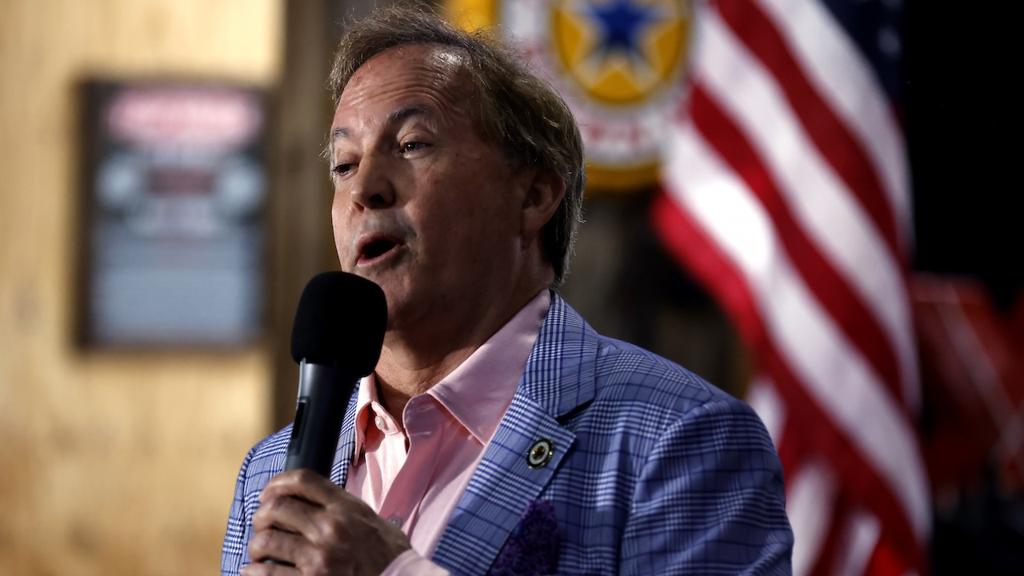
Texas Attorney General Ken Paxton has issued formal warnings to 110 cities across Texas, notifying them that they are prohibited from raising property taxes above the no-new-revenue rate unless they fully comply with state transparency and audit laws. This action marks an escalation in the ongoing conflict between state officials and local governments regarding property tax increases and financial accountability.
Explainer Attorney General Ken Paxton’s Legal Impact on Texas Policies and Public Safety
The warnings come in the wake of Senate Bill 1851, which was enacted in 2025. The law sets strict requirements for municipalities that wish to increase property taxes above the no-new-revenue rate. Under SB 1851, cities must have their financial records and accounts audited every year. They are also required to prepare an annual financial statement based on the audit and file both the statement and the auditor’s opinion with the municipal secretary or clerk within 180 days after the end of the fiscal year. Failure to meet these requirements means a city cannot legally raise property taxes above the set threshold.
Details of Paxton’s Warning
On Monday, Paxton announced that his office had sent letters to the 110 cities in question. The letters inform city officials that they are subject to enforcement provisions and penalties under SB 1851 if they attempt to adopt property tax increases without meeting the law’s transparency and audit standards. According to Paxton, his office identified additional noncompliant cities across East, South, and West Texas during its ongoing review of municipal financial practices.
In a public statement, Paxton said, “I am continuing to fight to stop cities from unlawfully raising taxes on hardworking Texans. My office has been investigating cities across Texas. Now, over 110 new cities have been notified that they must not raise property taxes in violation of state law. I will continue to make sure that taxpayers are protected from unlawful tax increases.”
Ongoing State Investigation
This latest round of letters is part of a broader investigation that began earlier in the year. In April, the attorney general’s office demanded documents from more than 1,000 municipalities statewide to determine whether they were complying with SB 1851’s requirements. That initial review identified more than 130 cities that failed to meet the statutory requirements for the new fiscal year. In May, Paxton sent letters to those cities, warning them about the possibility of enforcement actions and penalties if they did not come into compliance.
The investigation is still ongoing, with Paxton’s office continuing to review municipal compliance across Texas. The attorney general’s office has not specified a timeline for when the investigation might conclude or when enforcement actions could begin, but officials say they are committed to ensuring that all cities adhere to the law.
Background and Broader Context
The central issue in the dispute is the new set of transparency and accountability rules established by SB 1851. Supporters of the law argue that these requirements are necessary to ensure fiscal responsibility at the local level and to protect taxpayers from unauthorized or excessive tax hikes. The annual audit and timely financial disclosure provisions are intended to increase oversight of municipal finances and prevent cities from raising taxes without proper public scrutiny.
Critics of the law have not yet issued public statements in response to Paxton’s latest warnings. However, some local officials have previously expressed concerns that the new requirements could impose additional administrative burdens on smaller cities with limited resources.
Paxton’s office has not detailed the specific penalties that cities could face for failing to comply with SB 1851. However, the letters sent to city officials emphasize that enforcement actions are possible if municipalities proceed with property tax increases without first meeting the law’s transparency and audit requirements. The attorney general’s office has indicated that it will continue monitoring cities across Texas to ensure compliance and protect taxpayers from what it describes as unlawful tax increases.
The situation remains fluid as the state’s investigation continues. Cities that have received warnings are expected to review their financial practices and take steps to comply with SB 1851 if they wish to consider property tax increases in the future. State officials, meanwhile, say they will maintain oversight and take enforcement actions as necessary to uphold the law and ensure accountability at the local government level.