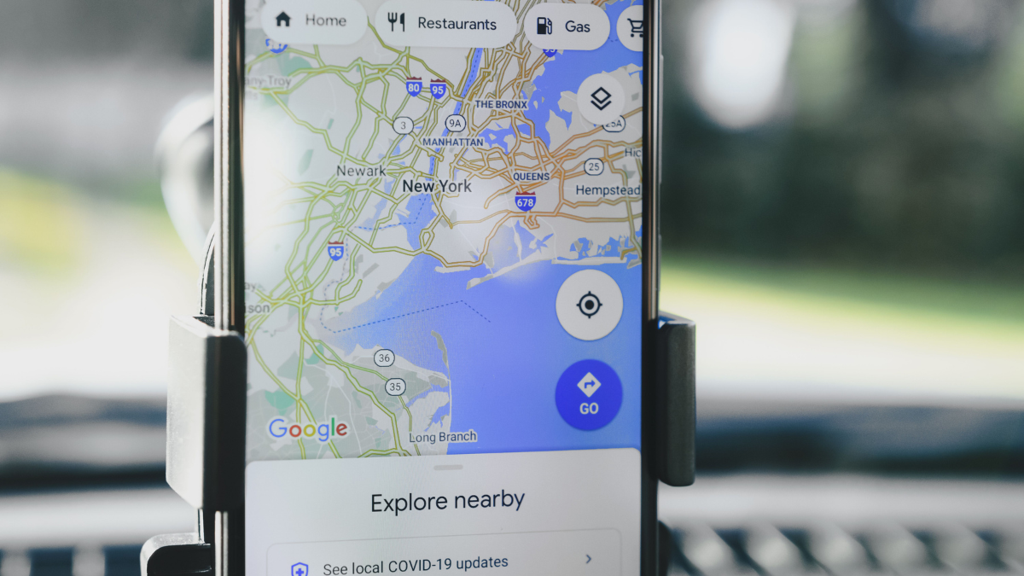
A recent Supreme Court decision in Chatrie v. United States has introduced new legal uncertainty for K-12 schools that use technology platforms to collect and monitor location data from students and their families. The ruling determined that police access to Google Location History data constitutes a Fourth Amendment search, requiring a warrant and probable cause, because individuals have a reasonable expectation of privacy in their cell phone location records.
Explainer Understanding the Supreme Court’s Impact on Law and Liberty
This decision raises significant questions about whether school administrators’ use of similar location-tracking tools—often without warrants or parental notification—could now face constitutional challenges. The issue is particularly relevant as schools increasingly rely on educational technology (EdTech) platforms and investigative software to verify student residency and monitor attendance.
According to the Court’s opinion, the constant tracking of device location creates what it called a “virtual panopticon,” allowing authorities to scrutinize citizens’ activities in detail. The Court found that this level of surveillance is protected by the Fourth Amendment, meaning law enforcement must obtain a warrant, supported by probable cause, before accessing such data from third-party tech companies. Read the full opinion.
EdTech Surveillance in Schools
School districts have increasingly adopted tools like Thomson Reuters’ CLEAR software to automate residency verification and monitor student addresses. According to Thomson Reuters, CLEAR allows designated school personnel to access license plate data, develop “pattern of life” information, and receive immediate alerts when information about a student changes. The company states that its software can verify residency in minutes and identify discrepancies across entire student populations, with features designed to improve efficiency and accuracy in resource allocation.
While CLEAR is marketed primarily as a solution for address verification, its capabilities extend to tracking where cars have been seen and establishing patterns of movement for students and families. This means that school officials, rather than law enforcement, typically conduct these searches, and there are no requirements for warrants or uniform compliance protections. Parents are often unaware of the extent of surveillance enabled by such platforms, and there is little transparency about how data is collected, stored, or used.
The use of such technology reflects a broader trend in education, where schools are turning to digital tools to manage administrative tasks and ensure compliance with residency requirements. However, the expansion of these tools’ capabilities—such as tracking vehicles and analyzing movement patterns—has raised concerns about student and family privacy. The lack of clear notification or consent procedures further complicates the issue, as families may not realize the scope of information being gathered about their daily lives.
Legal and Privacy Concerns
The Supreme Court’s reasoning in Chatrie—that location data collected by third-party tech companies is protected by the Fourth Amendment—has direct implications for school practices. Many EdTech applications, including Google Workspace for Education, collect and store location data from school-issued devices. Students often carry these devices outside of school grounds, meaning the data can reveal detailed patterns of daily life, echoing the “virtual panopticon” described by the Court.
Privacy advocates argue that, while students have reduced Fourth Amendment protections while at school, they retain constitutional rights outside school premises. The new legal standard set by the Supreme Court may prompt parents and students to challenge school surveillance practices and assert privacy rights over location data collected by educational technology. The Court’s decision suggests that the collection and use of such data by schools—especially when accessed without a warrant or parental notification—could be subject to constitutional scrutiny.
"An individual has a reasonable expectation of privacy in records about his cell phone’s location, and police intrude on that constitutionally protected interest when they demand the information … from a third-party tech company."
— Supreme Court, Chatrie v. United States
Legal experts note that the ruling could have a ripple effect on how schools and EdTech companies handle sensitive data. If courts interpret the decision broadly, schools may be required to obtain parental consent or even judicial authorization before accessing or sharing certain types of location data. This could lead to changes in school policies, increased transparency, and new procedures for notifying families about data collection and surveillance practices.
Industry and Official Response
Thomson Reuters says CLEAR is intended to make residency verification faster and more accurate, with 98% of surveyed education users reporting improved efficiency. The company highlights that its software helps schools ensure students receive services from the correct district and supports unbiased verification for all families. However, the company’s materials do not address the privacy concerns raised by the Supreme Court’s ruling or the lack of parental notification.
School districts and EdTech providers have not publicly responded to the implications of the Chatrie decision for their data collection practices. As legal experts and privacy advocates examine the ruling’s impact, school officials may face new demands for transparency and compliance with constitutional standards. The decision may also prompt policymakers to revisit existing laws and regulations governing student data privacy, particularly as technology continues to evolve and schools adopt more sophisticated surveillance tools.
In the coming months, school administrators, parents, and technology providers are likely to seek further guidance on how to balance the benefits of EdTech with the constitutional rights of students and their families. The Supreme Court’s decision in Chatrie v. United States has set a new legal precedent, and its full impact on education technology and student privacy remains to be seen.