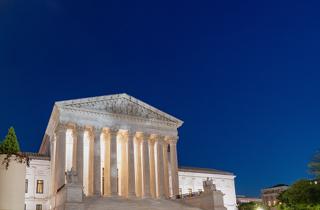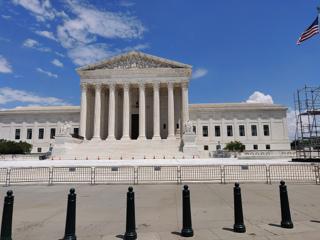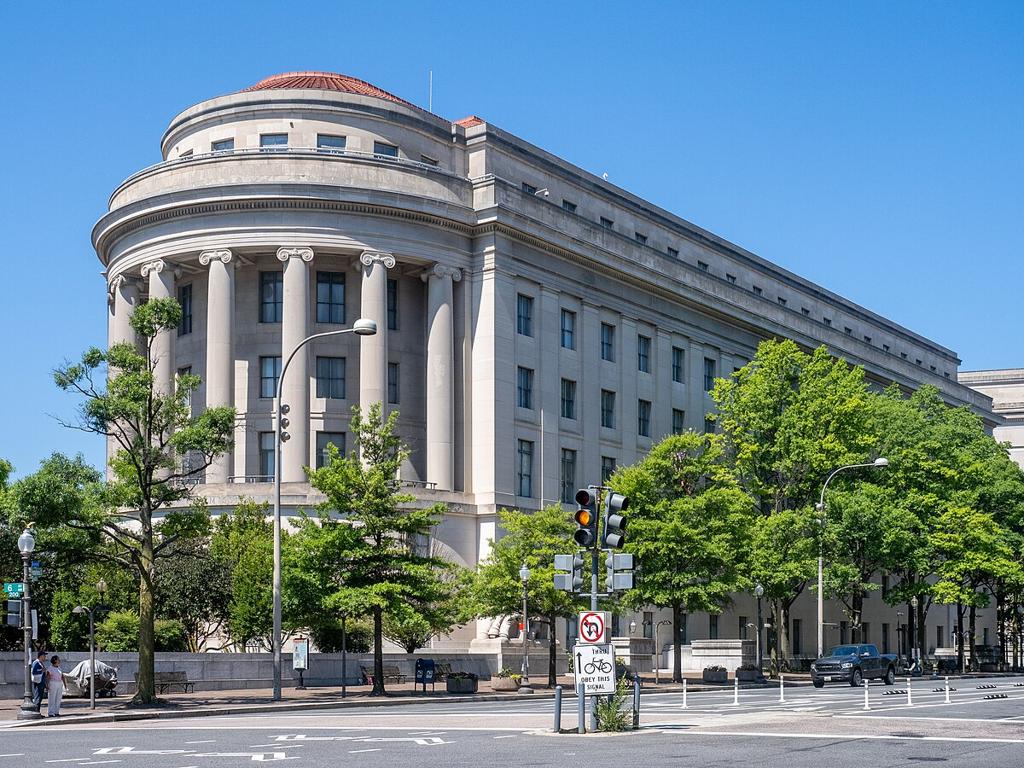
The U.S. Supreme Court has temporarily allowed President Trump to proceed with the removal of Federal Trade Commission (FTC) member Rebecca Slaughter, a Democrat, while the court reviews the case's merits. This decision was made on Monday, following a request from the Trump administration to stay an injunction issued by D.C. District Judge Loren AliKhan, who had sought to block the president's use of executive authority in this matter.
The court's order indicates that it will hear oral arguments in December regarding whether statutory removal protections for FTC members violate the separation of powers. The justices also aim to determine if federal courts can prevent a person's removal from public office.
The stay will remain in effect until the Supreme Court issues a final judgment on the case. The decision to grant the stay was not unanimous; Justices Sonia Sotomayor, Elena Kagan, and Ketanji Brown Jackson opposed the government's request.
In her dissent, Justice Kagan expressed concerns about the implications of the majority's ruling, suggesting it undermines the independence of federal agencies. "Our emergency docket should never be used to permit what our own precedent bars," (U.S. Supreme Court) Kagan stated. She criticized the majority for transferring authority from Congress to the President, arguing that it could diminish the bipartisanship essential to agency operations.
The case stems from a broader debate over executive power and the limits of presidential authority in appointing and removing agency officials. Supporters of the president argue that the ability to remove officials is a necessary component of executive control, while critics contend that such actions could lead to politicization within federal agencies.
Associate Justice Brett Kavanaugh has previously noted the need for caution when the court addresses cases on its emergency docket, warning against creating a “lock-in effect” (U.S. Supreme Court) that may not reflect the court's final views. Justice Amy Coney Barrett has also commented on the interim docket, emphasizing that the court's role is to respond to disputes presented to it rather than proactively addressing unraised issues.
The Supreme Court's decision to take up the case reflects ongoing tensions between the executive branch and judicial interpretations of agency independence. As the court prepares for oral arguments, the outcome could have significant implications for the balance of power within the federal government.
The FTC, established to protect consumers and maintain competition, has faced scrutiny in recent years over its regulatory actions. The ability of the president to appoint and remove its members is a critical aspect of how the agency operates and interacts with the executive branch.
As this case unfolds, it will likely draw attention from both supporters and opponents of the Trump administration's approach to executive authority, further igniting discussions about the role of federal agencies in governance.