The Southern Poverty Law Center (SPLC) faced criticism during a House Judiciary Committee hearing for placing the conservative group Moms for Liberty on its "hate map," which also includes organizations like the KKK and neo-Nazis. Representative Tom Tiffany, a Republican from Wisconsin, challenged SPLC's interim president Bryan K. Fair on the decision, questioning its implications for free speech and parental rights.
Explainer Free Speech Battles: Navigating Rights and Censorship in Modern Society
The core tension revolves around the SPLC's classification of groups it deems harmful versus the potential chilling effect on public discourse and activism. Critics argue that labeling organizations as hate groups can lead to severe consequences, including harassment and job loss for their members.
Founded in 1971, the SPLC originally aimed to combat hate and extremism. However, its hate map, initiated in 2000, has expanded to include a wide range of organizations that oppose certain progressive ideologies, particularly those related to gender and sexuality. This shift has drawn scrutiny from various political figures and advocacy groups.
Criticism from Lawmakers
During the hearing, Tiffany pressed Fair on the rationale behind the inclusion of Moms for Liberty on the hate map. Fair defended the SPLC's position, stating, "Moms for Liberty is listed on our hate map because it demeans and vilifies people based on mutable characteristics," referring to issues surrounding gender identity. Tiffany countered, asserting, "Moms for Liberty is not a racist organization. They may differ with you regarding gender mutilation for children, but I think that’s a fair debate to be having!"
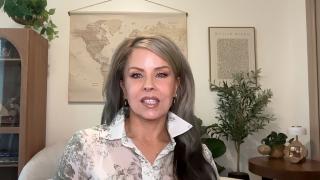
Moms for Liberty, which advocates for parental rights in education, has expressed concerns about the SPLC's labeling. Alexandra Bougher, a leader within the organization, highlighted the real-world consequences of the hate map, stating, "People have been doxxed, swatted, lost their jobs … because of this hate map. The fact that the [SPLC] has no remorse over it is disturbing."
Allegations Against the SPLC
The SPLC's credibility has come under fire, particularly following a Department of Justice (DOJ) indictment alleging that the organization misled donors about its funding practices. According to the DOJ, the SPLC secretly funneled over $3 million to extremist groups, including the KKK and the American Nazi Party, while publicly claiming to combat hate. Bougher described the situation as "absolutely sickening," emphasizing the need for accountability.
The SPLC's controversial practices have raised questions about its influence on government policy. A letter from Representative Jim Jordan, a Republican from Ohio, revealed that the Biden administration had relied heavily on the SPLC for guidance, including meetings with the DOJ's Civil Rights Division. This relationship has drawn criticism from those who argue it undermines impartiality in law enforcement.
Impact on Free Speech
The implications of the SPLC's actions extend beyond individual organizations. Critics argue that labeling groups as hate organizations can stifle debate and discourage people from expressing their views. Bougher stated, "We as Americans should be able to disagree on things without being smeared or demonized … we don’t need to destroy someone’s life because we don’t see eye to eye."
Supporters of the SPLC maintain that its mission to combat hate is vital in a polarized society. However, the organization has not publicly responded to the specific criticisms raised during the hearing. The SPLC's classification of various groups continues to be a contentious issue, with advocates on both sides arguing passionately about the implications for free speech and activism.
As the SPLC faces legal challenges and increased scrutiny, the debate over its role in American society is likely to intensify. The outcomes of these discussions may have lasting effects on how organizations are classified and the broader discourse surrounding parental rights and free speech in the United States.