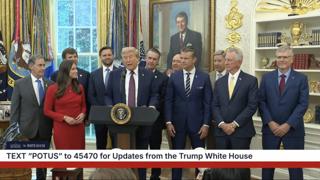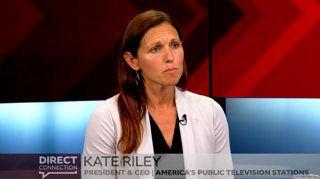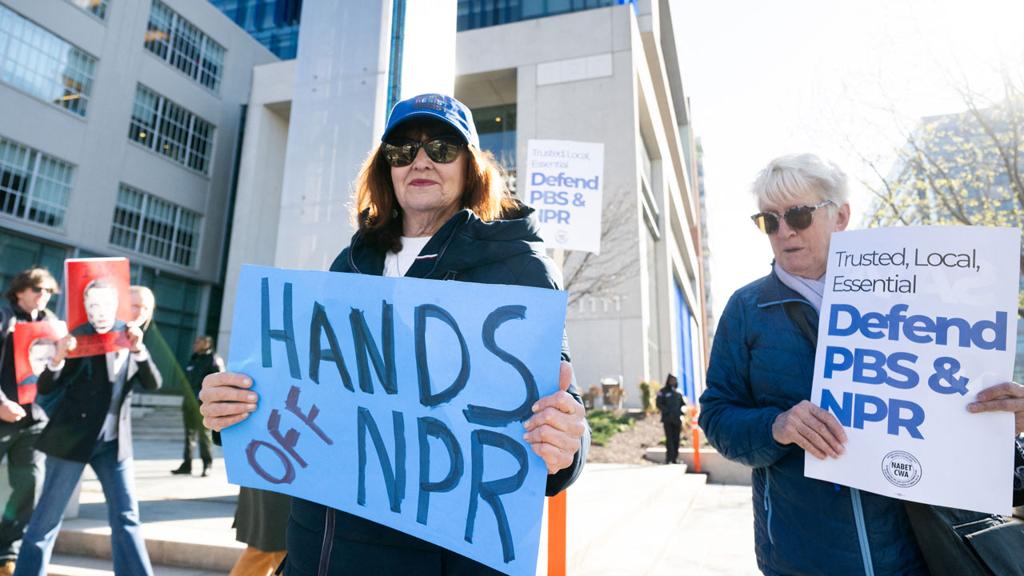
PBS and NPR remain on the air one year after a federal funding cutoff, with executives crediting a surge in private donations for keeping the networks operational. The funding shift followed a bill signed by President Donald Trump that ended federal grants to the public broadcasters, a move that reignited longstanding debates over the necessity and role of taxpayer support for public media in the United States.
The core debate centers on whether taxpayer funding for PBS and NPR was necessary. Critics of federal support for public broadcasting have long argued that if Americans truly value these services, they should be willing to fund them privately. Supporters, meanwhile, have maintained that public funding is essential to ensure broad access and editorial independence, especially for smaller or rural stations that may struggle to attract major donors.
Prior to the funding cut, PBS and NPR executives noted that federal grants made up only a small portion of their overall budgets. However, NPR’s Public Editor Kelly McBride clarified that federal grants accounted for about 16 percent of the public media network’s $3.2 billion annual budget. This figure underscored the significance of the loss, even if the majority of funding came from other sources.
Private Donations Replace Federal Grants
Following the loss of federal support, station executives cited a "burst of philanthropy" as the primary reason PBS and NPR remained financially stable. According to NPR media reporter David Folkenflik, the increase in private donations appeared to support the argument made by some conservative critics that those who value public media can pay for it themselves. Notably, major gifts included $80 million from Connie Ballmer, wife of Microsoft co-founder Steve Ballmer, and an additional $33 million from an anonymous donor. These large contributions, along with a wave of smaller donations, helped offset the loss of federal grants.
NPR described the surge in donations as "rage-giving," with many contributions reportedly coming from left-leaning supporters upset by the funding cut. This phenomenon has been cited by critics as evidence that public broadcasting can be sustained by its audience rather than taxpayer funds. However, some observers note that relying on philanthropy could make public broadcasters more dependent on the preferences of major donors, potentially affecting editorial independence or programming choices over time.
"The entire public media network, including every member station across the country as well as PBS and NPR, runs on about $3.2 billion a year. The federal grants represented about 16 percent of that total."
— Kelly McBride, NPR Public Editor
The transition to a donor-driven model has also raised questions about the long-term sustainability of public broadcasting, especially if donor enthusiasm wanes or if economic conditions change. For now, however, the networks report that their operations remain stable, and programming continues largely unchanged.
Ongoing Criticism of Editorial Choices
Conservative commentators and critics continue to argue that PBS and NPR maintain a liberal editorial stance. The networks have been accused of omitting coverage of stories such as the release of Anthony Fauci’s diary entries by Sen. Rand Paul, R-Ky., and of supporting pandemic-related lockdowns. NPR’s handling of the Hunter Biden laptop story, which it initially dismissed as a "pure distraction," has also drawn criticism, especially as other outlets later reported the laptop as authentic.
NPR recently aired an interview with Hunter Biden under the headline, "Hunter Biden shares his painful road to recovery and fight against political scrutiny," which critics described as sympathetic coverage. These editorial decisions have fueled ongoing debates about the networks’ perceived political leanings and the appropriateness of government support for their operations.
Supporters of PBS and NPR argue that the networks provide valuable news, cultural, and educational programming that is not always available through commercial outlets. They contend that public media’s editorial standards and commitment to in-depth reporting serve the public interest, regardless of political criticism.
Political Future of Public Broadcasting Funding
While public broadcasting leaders have not announced any major changes to their editorial approach following the funding cut, some network supporters hope the loss of federal grants will be temporary. Observers note that future shifts in political control could restore government funding to PBS and NPR. Network officials and Democratic lawmakers have not publicly responded to recent criticism of the networks’ editorial direction or funding model.
The debate over public broadcasting’s funding and political alignment is expected to continue as both networks operate with increased reliance on private philanthropy. For now, PBS and NPR remain operational, with their future shaped by the evolving landscape of media funding and ongoing public debate over their role in American society.