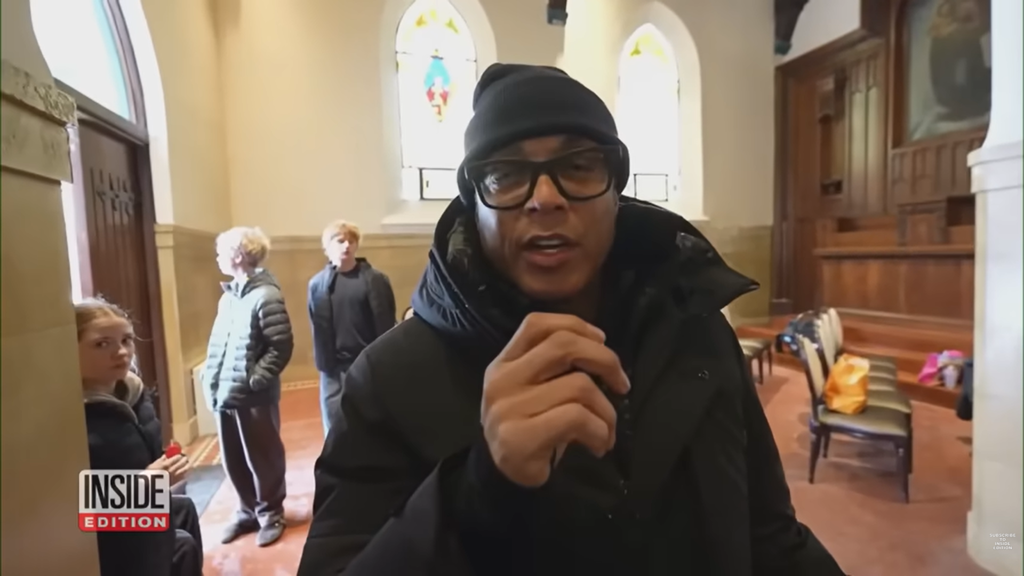
A grand jury has indicted former CNN host Don Lemon for allegedly disrupting church services in Minnesota, a development that has ignited a media debate regarding the implications for press freedom and the legal process. Critics argue that the indictment raises serious questions about the treatment of journalists, while supporters maintain that the legal actions are justified based on the evidence presented against Lemon and his co-defendants.
The indictment stems from an incident that occurred on January 18, 2026, when Lemon and several others allegedly interfered with religious services at Cities Church in Minnesota. Federal prosecutors filed a criminal complaint against eight individuals, claiming they conspired to disrupt the services and intimidate parishioners. This complaint was initially met with skepticism by a magistrate judge, who found probable cause only against three of the defendants and subsequently declined to issue arrest warrants for Lemon and the others involved in the incident.
Legal Proceedings and Indictment
Following the magistrate's decision, the Department of Justice sought a grand jury indictment, which was ultimately granted on January 27, 2026. This legal route became necessary after the magistrate judge indicated he would not review additional evidence on an expedited basis. According to the government, the grand jury's indictment reflects a thorough examination of the evidence against Lemon and his co-defendants, suggesting that the legal process is being taken seriously.
Judge Patrick Schiltz, who presided over the district court, noted that the normal procedure allows prosecutors to either present improved evidence to the same magistrate or seek an indictment from a grand jury. "The government can still take its case to a grand jury any time it wishes," he stated, emphasizing the legitimacy and importance of the grand jury process in the judicial system.
Media Reactions and Criticism
In the wake of the indictment, some prominent media figures, including Jake Tapper and George Stephanopoulos, have questioned the validity of the charges against Lemon. They suggest that the refusal to issue arrest warrants indicated a lack of sufficient evidence against him. Tapper highlighted Judge Schiltz's remarks that Lemon and his producer were not protestors, implying that their actions did not warrant criminal charges. However, critics argue that this perspective overlooks the grand jury's findings and the seriousness of the allegations.
Mollie Hemingway, editor-in-chief of The Federalist, countered the media's framing of the situation, stating on Fox News, "Being a journalist or saying that you’re a journalist does not give you the right to interfere with people’s First Amendment rights to worship." She asserted that Lemon's actions were not protected by journalistic privilege, as they involved harassment of worshippers, which raises ethical concerns about the role of journalists in such contexts.
Balancing Perspectives
While some media outlets have focused on the potential implications for press freedom, others argue that the indictment is a necessary step to uphold the law and protect the rights of individuals attending religious services. Legal experts have noted that the indictment process is a standard legal procedure and does not inherently violate First Amendment rights. This perspective emphasizes that the law must apply equally to all individuals, regardless of their profession.
Supporters of the indictment maintain that the grand jury's decision reflects a careful consideration of the evidence and the seriousness of the alleged offenses. They argue that the legal system must address any actions that disrupt public order, regardless of the individuals involved, to ensure that the rights of all citizens are protected.
As the situation unfolds, it remains to be seen how the legal proceedings will impact public perceptions of press freedom and the responsibilities of journalists. The indictment of Lemon has sparked a broader conversation about the balance between First Amendment rights and the rule of law in the context of disruptive protests and the role of the media in society.
In summary, the indictment of Don Lemon has raised significant questions about the intersection of journalism, legal accountability, and religious freedoms. The ongoing media discourse reflects a divide in opinions regarding the implications of the charges and the responsibilities of those in the press. As this case progresses, it will likely continue to evoke strong reactions and discussions about the boundaries of journalistic conduct and the legal system's role in maintaining public order.