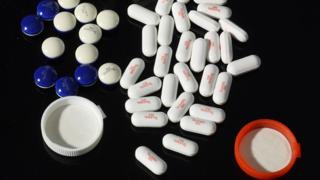
President Trump recently advised pregnant women to avoid taking Tylenol unless medically necessary, citing potential links between the medication's active ingredient, acetaminophen, and autism. This warning has sparked a wave of responses from pregnant women on social media, many of whom have posted videos of themselves taking Tylenol to demonstrate their trust in scientific guidance.
The Centers for Disease Control and Prevention (CDC) reported that in 2022, 1 in 31 children aged 8 years was diagnosed with autism, a statistic that has raised concerns among health officials and parents alike. Some experts attribute this increase to improved awareness and screening practices rather than a direct cause-and-effect relationship with medications like acetaminophen.
Robert F. Kennedy Jr., the newly appointed Secretary of Health and Human Services, has committed to investigating the rising autism rates. Following months of research, Kennedy presented findings to Trump that suggested a potential link between acetaminophen use during pregnancy and autism. This conclusion was based on several studies, including a review by Dr. Andrea Baccarelli, a dean at Harvard University's School of Public Health.
On September 22, Trump held a news conference with Kennedy and health advisors, where he strongly recommended that pregnant women avoid Tylenol unless absolutely necessary. Kennedy echoed this sentiment, advising healthcare providers to prescribe the “lowest effective dose” (PubMed) for the shortest duration needed. This guidance aims to prioritize the health of both mothers and their unborn children during pregnancy.
The announcement has drawn criticism, particularly from those who argue that existing studies do not support a direct link between acetaminophen and autism. The Wall Street Journal Editorial Board criticized Kennedy's approach, suggesting he was influenced by personal interests in ongoing lawsuits against Tylenol's manufacturer, Kenvue Inc.
In the wake of Trump's comments, some pregnant women have taken to social media to express their dissent. Videos of women consuming Tylenol, often without medical necessity, have been shared widely, accompanied by captions asserting their commitment to science. Critics argue that these actions may prioritize political statements over the health of their unborn children.
Dr. Nicole Saphier, a Fox News contributor and mother of three, cautioned against this trend, stating, "Pregnant women popping Tylenol like Tic Tacs just to stick it to Trump — please stop. Don’t weaponize your pregnancy for a political point. Consider acetaminophen only when absolutely necessary." (PubMed)
The debate surrounding the use of acetaminophen during pregnancy continues to evolve, with advocates on both sides emphasizing the importance of informed decision-making. While some assert that the medication is safe when used correctly, others warn against its use without medical guidance.
As the discussion unfolds, the implications of political motivations on health decisions remain a focal point. The CDC has previously warned about the potential risks associated with various substances during pregnancy, including cannabis, and the importance of prioritizing maternal and child health.
The ongoing discourse highlights the need for pregnant women to make health decisions based on medical advice rather than political considerations. As Trump’s warning reverberates through social media, the focus remains on ensuring the well-being of both mothers and their children during this critical time.