A new report alleges that Elaine Chao, who served as a cabinet secretary under both the Bush and Trump administrations, held at least four positions with Chinese government-linked organizations, some overlapping with her time in U.S. government roles. The claims, first reported by the Daily Caller News Foundation and based on Chinese government and state media documentation, center on Chao’s involvement with entities tied to the Chinese Communist Party’s United Front Work Department (UFWD).
The core issue is whether Chao’s reported affiliations with CCP-linked groups created conflicts of interest during her tenure as a senior U.S. official.
The United Front Work Department is described by the U.S.-China Economic and Security Review Commission as a key CCP organ for influence operations abroad, including efforts to co-opt foreign elites and shape policy favorable to Beijing. Congressional research and commission reports have warned that United Front work can involve legal and illegal technology transfer, surveillance of diaspora communities, and the promotion of pro-PRC narratives through seemingly independent voices.
Chao’s Alleged Positions and Timeline
According to the Daily Caller’s findings, Chao was named advisor and fifth council committee member of the UFWD’s All-China Federation Of Returned Overseas Chinese (ACFORC) during part of her tenure as Transportation Secretary. From 2012 to 2017, Chao and her father reportedly served as advisors to the UFWD-affiliated China Overseas Friendship Association (COFA) in Shanghai’s Jiading District. By 2019, Chao’s sister Angela was named director of COFA’s national organization. Earlier, while Chao was Labor Secretary under President Bush, she and her father were reportedly named honorary chairmen of ACFORC’s third council alongside Chinese officials.
The Daily Caller also cited Chao’s 2009 appointment as an international advisor to the Wuhan municipal government, a role praised in Chinese state media for potentially benefiting Wuhan’s foreign affairs. Chao’s family members later received similar advisory titles from Wuhan authorities.
Responses and Denials
Chao did not directly address the reported conflicts of interest. Patrick O’Connor, spokesman for her family’s shipping company Foremost Group, dismissed the allegations as “hurtful and racist,” arguing that Chao “has never held a position with a foreign government or acted on behalf of one.” O’Connor claimed Chao was not always aware of honorary titles bestowed on her, in part due to language barriers, and said, “No one seems to care when most American business or political leaders hold meetings in China, so it’s suspicious when the Daily Caller makes insinuations about a former two-time cabinet secretary of Asian descent, especially based on photos, some of which are decades old.”
"To question her patriotism is a double standard, at best — racist, at worst."
— Patrick O’Connor, Foremost Group spokesman
Former National Security Council China director Dennis Wilder also called the allegations “another racist attack on one of America’s finest public servants.”
United Front Work and U.S. Oversight
The U.S.-China Economic and Security Review Commission has documented that the UFWD’s influence operations often target overseas Chinese and foreign elites, sometimes making it difficult to publicly prove connections and leaving critics open to accusations of prejudice. The commission’s 2018 research notes that smearing criticism of United Front missions as “prejudice” is a common tactic.
Despite Chao’s longstanding personal and family ties to China, the report notes that her alleged roles in Chinese government-linked organizations were not disclosed during her 2017 Senate confirmation hearing for Transportation Secretary, as required by the nomination process. The Daily Caller reported that Chao did not list any such advisory or honorary positions in her official disclosures.
Chao’s family shipping business, Foremost Group, has built and financed ships in Chinese state-owned shipyards, with some contracts involving the Chinese government. The extent of Chao’s financial compensation for her reported involvement in Chinese organizations remains unclear.
Broader Context and Political Fallout
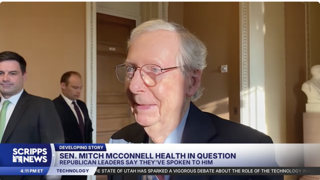
Concerns about Chao’s China ties have surfaced periodically in U.S. politics. In 2018, author Peter Schweizer wrote about the impact of Chao’s marriage to Senate Republican leader Mitch McConnell on his public stance toward China. In 2022, after former President Trump criticized Chao and McConnell’s connections to China, some media outlets defended Chao and dismissed the criticism as racially motivated. The Wall Street Journal Editorial Board, for example, called accusations about her China ties “innuendo.”
The House Select Committee on the Chinese Communist Party and the U.S.-China Economic and Security Review Commission continue to monitor United Front activities and their implications for U.S. national security. The commission’s reports emphasize the challenges of identifying and addressing foreign influence operations that are intertwined with issues of ethnicity and national identity.