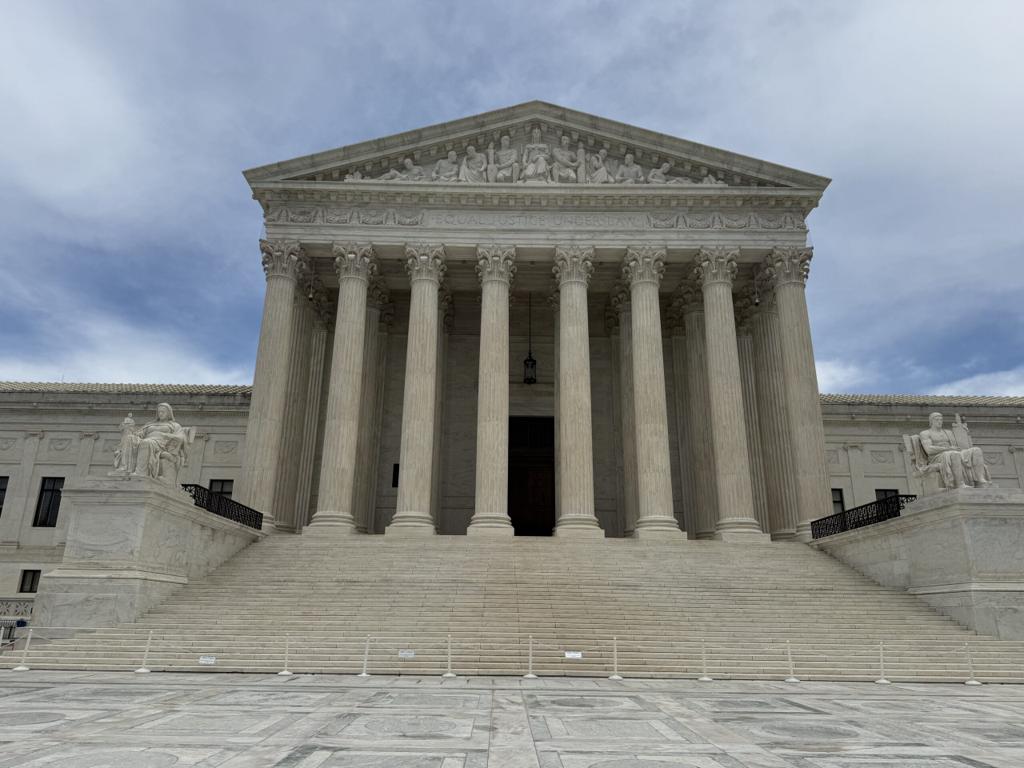
The Senate Judiciary Committee has taken a significant step by advancing two bills that would permit televised coverage of Supreme Court hearings and other federal court proceedings. Both measures successfully passed by voice vote on Thursday and are now set to be considered by the full Senate, as indicated by a committee press release.
Explainer Understanding the Supreme Court’s Impact on Law and Liberty
Senate Advances Bills to Allow Cameras in Supreme Court
The core debate surrounding these bills centers on whether allowing cameras in courtrooms would enhance transparency or detract from the seriousness of judicial proceedings. Proponents of the legislation argue that televised hearings would serve to inform the public about the judicial process in a way that is currently not possible. They believe that increased visibility could foster a greater understanding of how the judicial system operates. Conversely, critics warn that the presence of cameras could lead to performative behavior among judges and attorneys, potentially undermining the integrity of the judicial process.
Background and Reactions
Currently, the Supreme Court provides audio livestreams of its oral arguments and publishes transcripts after hearings conclude. However, the federal judiciary has historically prohibited recording devices in the courtroom. The proposed Cameras in the Courtroom Act, which is sponsored by Chair Chuck Grassley, R-Iowa, and Ranking Member Dick Durbin, D-Ill., would allow television coverage of all open sessions unless a majority of justices determine that such coverage would violate due process rights.
In addition to this, the Sunshine in the Courtroom Act, which also passed the committee, would extend similar provisions to federal appellate and district courts. This particular bill includes measures aimed at protecting witnesses and jurors, as well as establishing guidelines for implementing the new rules effectively.
Supporters of the legislation, including Grassley and Durbin, have framed the bills as a means to increase judicial transparency. They argue that by allowing cameras in the courtroom, the public would gain a better understanding of the judicial process. They stated, "By televising these proceedings, Americans would become better informed about what goes on in courtrooms around the country."
However, critics question the effectiveness of such measures, citing the potential for courtroom proceedings to devolve into theatrics. They point to recent congressional hearings as examples of how televised sessions can lead to performative behavior rather than substantive debate. One critic noted, "What were once intended to be serious floor debates and hearings have devolved into performative slugfests."
Concerns have also been raised about the impact of cameras on judicial decorum. Some argue that the presence of cameras could encourage judges to act theatrically, which could undermine the seriousness of their roles. Critics suggest that the current audio-only format maintains a level of decorum that could be lost with visual coverage. A commentator remarked, "There is no reason to believe putting cameras in the courtroom would yield a different result," emphasizing the potential for judges to seek attention rather than focus on the law itself.
The debate over cameras in the courtroom reflects broader tensions regarding transparency and accountability in government. While supporters argue that increased visibility can enhance public trust in the judicial system, opponents caution that it may lead to sensationalism and undermine the integrity of judicial proceedings.
As the full Senate prepares to consider the bills, it remains to be seen how lawmakers will balance the desire for transparency with the need to preserve the dignity of the judicial system. Supporters of the legislation have not yet responded to the criticisms raised by opponents, leaving the discussion open for further debate as the legislative process unfolds.