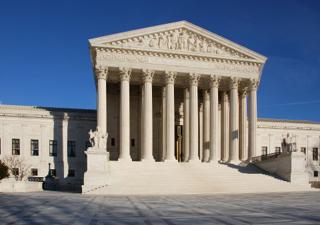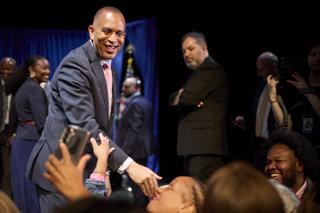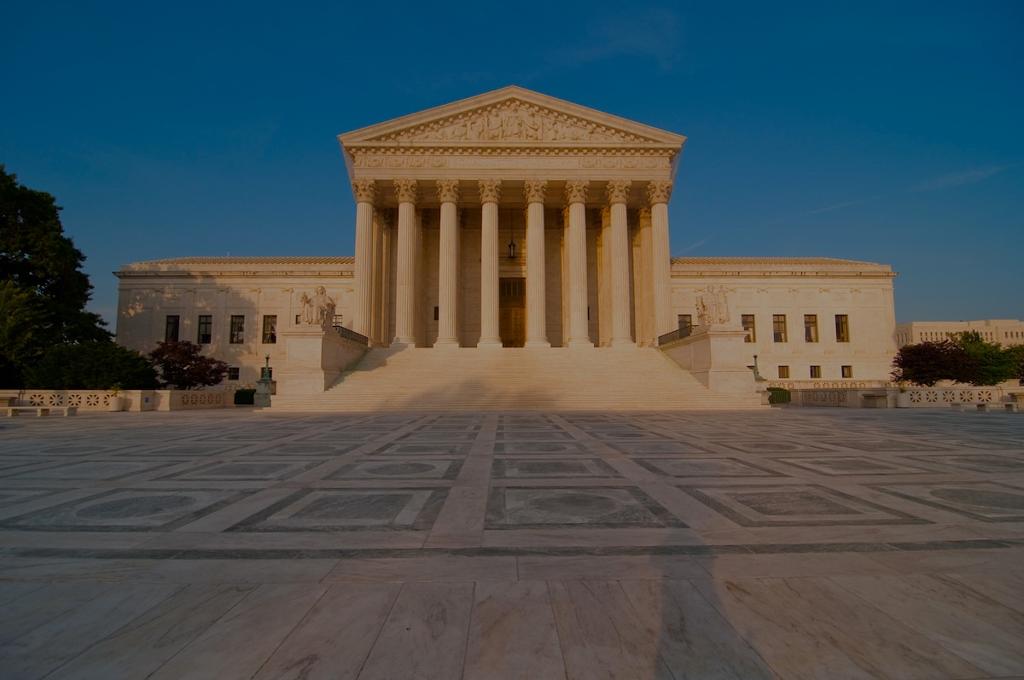
Democratic strategist James Carville suggested that if Democrats regain control of the federal government, they should immediately pursue court packing and grant statehood to Washington, D.C., and Puerto Rico. In a recent podcast, Carville stated, "If the Democrats win the presidency and both houses of Congress, I think on day one, they should make Puerto Rico, D.C. a state, and they should expand the Supreme Court to 13." He advised that these actions should not be part of campaign platforms, saying, "Don’t run on it. Don’t talk about it. Just do it."
The proposal raises significant concerns about the potential for increased political polarization and the integrity of the judicial system. Critics argue that such moves could undermine the independence of the judiciary and further entrench partisan divisions in American politics.
Carville's comments came shortly after the New York Times published previously private communications from Supreme Court justices, which critics say aimed to delegitimize the court. The article described how the court has shifted to operate along partisan lines, particularly during the Trump administration. It noted that Chief Justice John Roberts and other conservative justices have been accused of using the court to empower the president, contrasting this with their actions during President Obama's tenure.
The Times article stated, "In the Trump era, [Chief Justice John Roberts] and the other conservative justices have repeatedly empowered the president through their shadow docket rulings." This shift has raised questions about the court's role and its perceived alignment with political interests.
Concerns Over Judicial Independence
Critics of Carville's proposal and the recent media coverage argue that these actions could further politicize the Supreme Court. They contend that expanding the court and altering its composition would set a dangerous precedent, potentially leading to a cycle of retaliation between political parties. Legal experts warn that such changes could erode public trust in the judiciary, which is seen as a cornerstone of democracy.
Supporters of court packing argue that it is necessary to restore balance to a court they believe has been skewed by partisan appointments. They assert that the current composition does not reflect the diversity of views in the country and that reform is needed to ensure fair representation.
The Shadow Docket Debate
The New York Times article also highlighted the increasing use of the Supreme Court's shadow docket, a mechanism for issuing quick decisions on significant cases without full briefing or oral arguments. Critics claim this practice has led to a lack of transparency and accountability in the court's decision-making process. The article suggested that this new approach has contributed to the perception of the court as a political entity rather than an impartial arbiter of the law.
In response to the criticisms, some legal scholars argue that the shadow docket is a necessary tool for the court to address urgent matters efficiently. They maintain that it allows the justices to respond quickly to pressing legal issues, particularly in a rapidly changing political landscape.
Future Implications
As discussions about court packing and judicial reform continue, the implications for American democracy remain significant. The potential for increased partisan conflict over judicial appointments could reshape the political landscape for years to come. While some Democrats support Carville's approach, others caution against such drastic measures, fearing they could further polarize an already divided electorate.
The debate over the Supreme Court's future is likely to intensify as the 2026 elections approach, with both parties weighing the risks and benefits of altering the judicial system. As the conversation unfolds, the balance between political strategy and the preservation of judicial integrity will be at the forefront of national discourse.