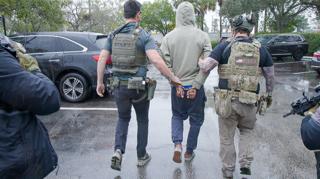
The repercussions of a 1982 U.S. Supreme Court decision allowing illegal aliens access to public schools have resurfaced in Charlotte, North Carolina, this week. Following the Department of Homeland Security's announcement of enforcement operations in the city, local reports indicated a significant spike in student absences. Approximately 30,000 students were reported absent from Charlotte-Mecklenburg Schools (CMS) on Monday, a figure that more than doubles the average daily absences from the previous week.
Initial reports cited 20,935 absences, but this number was later revised. Of the reported absences, 28,136 were categorized as unexcused, according to Queen City News. The following day, CMS recorded another 25,697 absences, with 23,770 unexcused. While officials have not confirmed a direct link between the absences and immigration operations, similar trends were noted in Chicago after ICE initiated a sweep there.
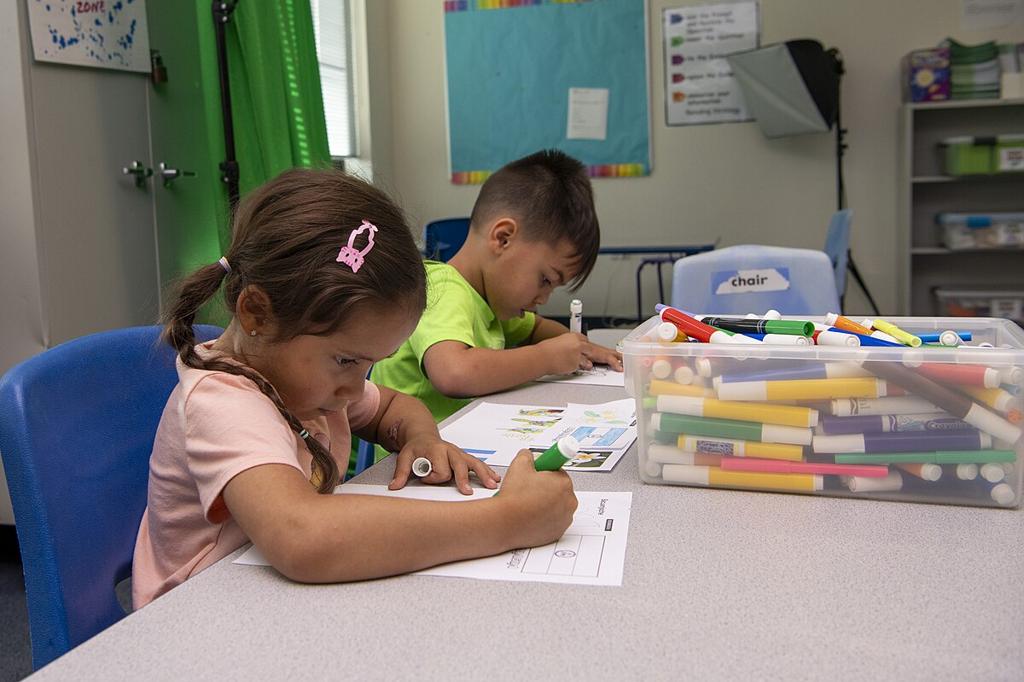
CMS has a substantial Hispanic student population, with over 44,000 students identified as Hispanic. Census Bureau data from 2023 indicates that 11 percent of North Carolina's K-12 students have at least one undocumented parent. The high absenteeism figures raise questions about the impact of the Plyler v. Doe decision, which mandated that public schools cannot deny education to children based on their immigration status.
The Plyler ruling, decided by a narrow 5-4 margin, has been criticized for forcing taxpayers to subsidize the education of illegal aliens. Critics argue that the decision has placed additional burdens on schools, particularly in accommodating students who do not speak English as their primary language.
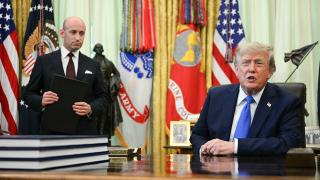
However, there is a potential path forward for states seeking to challenge this precedent. The current composition of the Supreme Court differs significantly from the one that ruled on Plyler. Republican state lawmakers could introduce legislation aimed at restricting illegal aliens' access to public education, setting the stage for legal challenges that could ultimately reach the Supreme Court.
The Plyler case originated in Texas, where a law was enacted to prohibit the use of state funds for the education of undocumented children. The Supreme Court ruled that this law violated the 14th Amendment's equal protection clause, with Justice William Brennan asserting that children should not be penalized for their parents' illegal actions. Conversely, Chief Justice Warren Burger criticized the majority for overstepping its judicial role and encroaching on legislative authority.
For any challenge to Plyler to succeed, Republican-controlled states must actively pursue legislation that limits educational access for illegal aliens. Previous attempts, such as bills introduced in Tennessee, have stalled in the legislative process. If states can pass such laws, they are likely to face lawsuits from advocacy groups, leading to lower court rulings that could eventually be appealed to the Supreme Court.
While it remains uncertain whether the current justices would take up a case challenging Plyler, the present court has shown a willingness to reconsider past rulings. The current justices generally adhere to originalist principles, contrasting with the judicial activism seen in previous decades.
The ongoing situation in Charlotte underscores the complexities surrounding immigration and education policy in the United States. Until red states actively challenge the Plyler ruling, the status quo of taxpayer-funded education for the children of illegal aliens is likely to persist.