WASHINGTON, D.C. — A notable shift within the Make America Great Again (MAGA) movement is the Republican Party's outreach to working-class Americans, particularly through engagement with labor unions. The International Brotherhood of Teamsters exemplifies this trend, with its general president, Sean O’Brien, having addressed the Republican National Convention that nominated Donald Trump for the 2024 presidential election. O’Brien has also advocated for Lori Chavez-DeRemer, who emphasizes her union ties, as Trump's Secretary of Labor. He has participated in congressional hearings as a Republican witness and met with White House officials to discuss labor issues during the 2025 government shutdown.
This development marks a significant departure from the Teamsters' alignment with Democrats since the mid-1990s, following O’Brien's election in 2021. Several Republican senators, including Josh Hawley (R-Mo.), Bernie Moreno (R-Ohio), and Roger Marshall (R-Kan.), have adopted pro-union stances, supported by Vice President J.D. Vance during his Senate tenure. They have introduced or endorsed pro-union legislation, receiving backing from O’Brien.
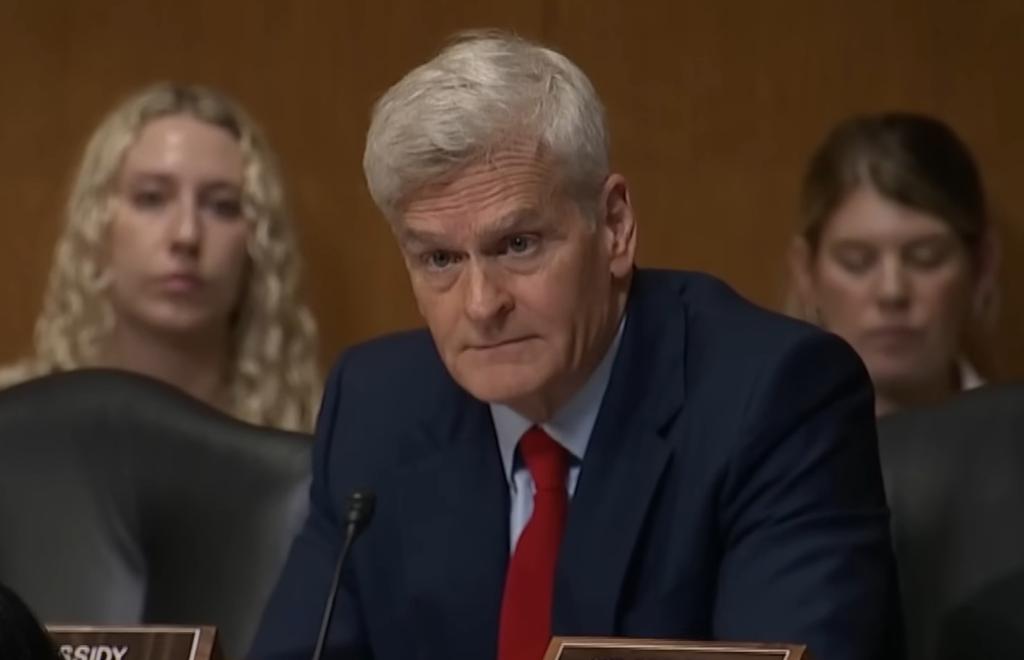
On Monday, a group of Republican senators led by Bill Cassidy (R-La.), chair of the Health, Education, Labor, and Pensions (HELP) Committee, unveiled a package of seven labor reform bills aimed at modernizing labor law, which Cassidy noted has remained largely unchanged since the 1930s. Cassidy emphasized the need to enhance workers' voices and rights to foster collaboration between labor and business, ultimately driving economic prosperity.
Among the proposed legislation is the Worker Reforming Elections for Speedy and Unimpeded Labor Talks (RESULTS) Act, which mandates secret ballot union elections with a two-thirds quorum of the bargaining unit. Cassidy stated that this measure would deter voting suppression tactics by union leadership and extend the voting period for workers from 30 to 90 days, occurring every two years.
The HELP Committee indicated that the RESULTS Act would strengthen the connection between union elections and collective bargaining agreements, allowing workers to reassess their union affiliation alongside their first bargaining agreement. Cassidy's Fairness in Filing Act seeks to reform the process for filing unfair labor practice charges with the National Labor Relations Board (NLRB), requiring evidence to be included in filings and imposing penalties for frivolous charges.
Additionally, the Union Members Right to Know Act would mandate that unions inform workers of their rights regarding political spending and require an opt-in system for using dues for non-representational activities. Banks' Put American Workers First Act would prohibit illegal immigrants from joining unions, addressing a concern that remains largely unregulated by the NLRB.
Cassidy clarified that the legislative package is not intended to undermine unions but to foster a constructive dialogue on labor reform. He acknowledged the need for bipartisan support, stating, "We’re all trying to find the answers... What is something where Republicans can land on that can also attract sufficient Democratic support?" When asked about collaboration with unions, Cassidy credited Trump for recognizing unions' importance and noted discussions with both union and business representatives.
Despite Cassidy's outreach, the Teamsters expressed skepticism regarding the proposed bills, advocating instead for the Faster Labor Contracts Act, which they believe has bipartisan support and is poised for markup in Cassidy's committee. Teamsters spokeswoman Kara Deniz remarked on Cassidy's willingness to engage but urged him to prioritize serious legislation that could garner broader backing.
Some political consultants involved in the MAGA-labor unification effort have criticized the new bills as potentially distracting from more cohesive proposals from the Hawley-Moreno-Marshall faction. One anonymous consultant suggested that the GOP's current labor initiatives might not effectively address the needs of workers, given the Democratic Party's struggles. As the Senate GOP navigates this evolving landscape, the outcome of these labor reform efforts remains uncertain, with the potential for significant implications for both the party and the labor movement.