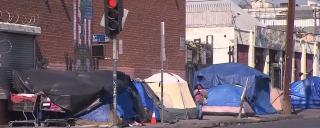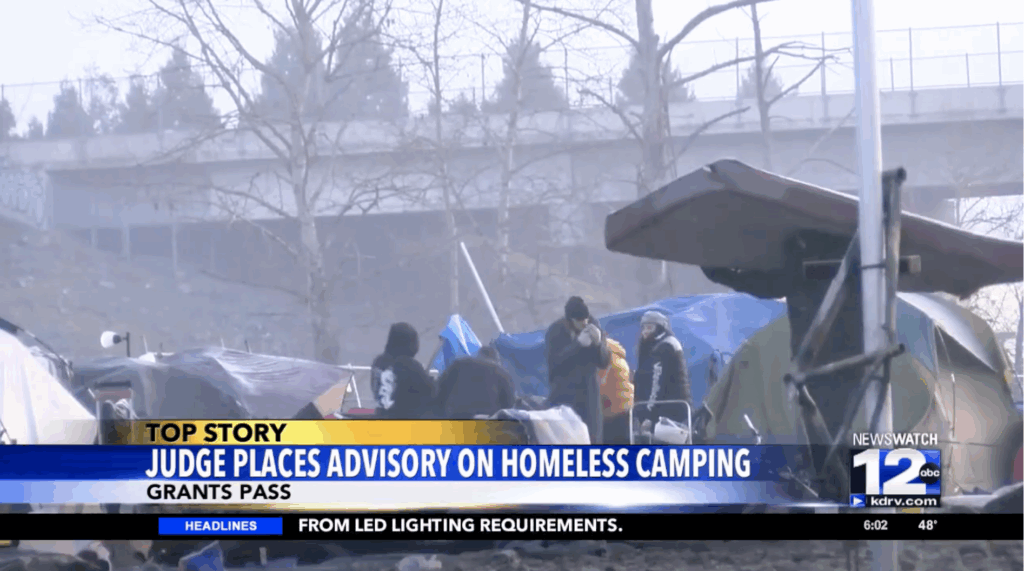
More than a year after the Supreme Court’s ruling upholding local rules banning homeless camps on public property, Grants Pass, Oregon, remains a focal point in the ongoing debate over homelessness policy. The city, with a population of 40,000, has become emblematic of what Christopher Rufo describes as the "homelessness industrial complex." In 2024, the Supreme Court ruled that laws regulating camping on public land do not violate the Eighth Amendment's prohibition against cruel and unusual punishment, marking a significant victory for local governance. However, this victory was short-lived.
Explainer Public Safety and Crime Trends in America: Understanding the Landscape
In January, homeless advocates filed a lawsuit alleging that Grants Pass violated state law requiring local regulations on outdoor sleeping to be "objectively reasonable". The term "objectively reasonable" remains undefined, complicating the legal landscape. By August, the city reached a settlement mandating the provision of 150 ADA-compliant camping spaces and drinking water for those living outdoors.
Residents like Kate Huckert have expressed concerns about safety and crime, citing personal investments in security measures due to the presence of nearby homeless camps. Huckert stated, "This is threatening to break our whole neighborhood. It was a massive uptick in crime … It’s so scary."
A recent report from the Capital Research Center, in collaboration with the Discovery Institute, highlights the extensive involvement of nonprofit organizations in the Grants Pass case. The report, titled "Infiltrated: The Ideological Capture of Homeless Advocacy," critiques how many nonprofits, often perceived as charitable entities, are increasingly engaged in political advocacy rather than direct service to the homeless.
The report indicates that a coalition of over 700 nonprofits participated in amicus briefs against Grants Pass, arguing against local measures aimed at managing homelessness. Organizations such as the Southern Poverty Law Center and the National Low Income Housing Coalition are characterized as defenders of civil rights, yet the report claims their activities often diverge from the immediate needs of homeless individuals.
Scott Walter, president of the Capital Research Center, criticized groups like the Western Regional Advocacy Project (WRAP) for framing law enforcement as an adversary in the pursuit of "housing justice." Walter described these organizations as "garden variety loony lefties" who oppose police and advocate for their abolition.
The financial backing for these advocacy efforts largely comes from taxpayers. The Capital Research Center's analysis revealed that in 2023, many of the nonprofits involved in the Grants Pass case received approximately $2.9 billion in government grants, constituting about one-third of their total reported revenues.
The report also notes that these organizations often receive funding from ideologically aligned foundations, with the Tides Nexus being a significant contributor. This funding supports campaigns that link housing issues to broader anti-capitalist critiques.
Moreover, the report suggests that some advocacy groups have engaged in radical rhetoric, glorifying figures like Assata Shakur, a fugitive convicted of murder, as part of their ideological framework. The involvement of homeless individuals in protests and political movements raises questions about the genuine intent behind these advocacy efforts.
As the situation in Grants Pass illustrates, the intersection of homelessness and political advocacy continues to evolve, with significant implications for local communities and the individuals they aim to serve.