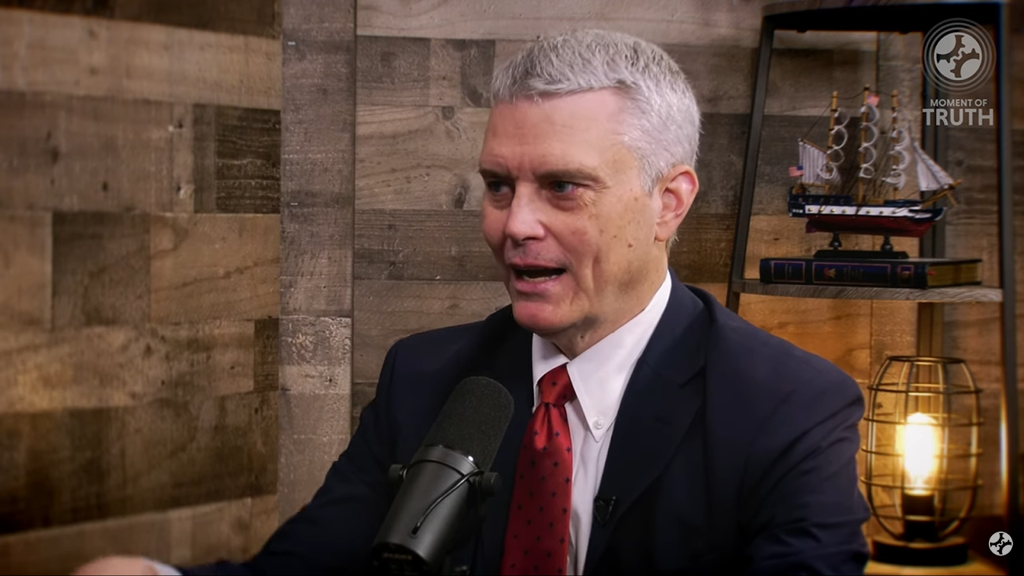
The House Judiciary Committee has released records revealing the FBI's investigations during the Biden administration, including the targeting of conservative figures. Among those scrutinized was Ed Corrigan, president and CEO of the Conservative Partnership Institute (CPI). The inquiry, known as 'Arctic Frost,' has raised concerns about potential political bias within the agency.
Explainer Understanding Immigration Enforcement: Policies and Controversies
On September 12, 2022, an email from an official in the FBI's Seattle Field Office indicated that Corrigan was labeled as 'pro-Putin and anti-Biden' by an unnamed source. The email suggested that Corrigan's actions were considered 'treason' by some within the agency. Further claims included allegations of criminal activity and plans for civil unrest, which were described as unfounded by critics of the investigation.
Mollie Hemingway of The Federalist commented on the absurdity of the claims against Corrigan, stating that the situation at the FBI appears to be more severe than previously believed. She noted that Corrigan is a respected figure within conservative circles, contrasting the FBI's focus on him with its perceived inaction against Antifa, a group that has been linked to violence in Seattle.
Seattle has gained notoriety for its Antifa activity, with reports indicating that the group has embedded itself within local homeless services to further its agenda. President Trump previously designated Antifa as a domestic terrorist organization, citing its use of violence and intimidation.
The records released by the House Judiciary Committee suggest that the FBI's Arctic Frost investigation may have been used to target Republicans in key battleground states, raising questions about the agency's impartiality. Critics argue that the FBI's resources were misallocated, focusing on conservative individuals while neglecting more pressing threats.
The revelations have sparked debate about the role of federal law enforcement in political matters, with some calling for greater accountability and transparency within the FBI. As the agency continues to face scrutiny, the implications of these findings may influence public perception and trust in federal institutions.
The situation highlights ongoing tensions between conservative groups and federal law enforcement, as well as the broader implications of political polarization in the United States. As investigations continue, the fallout from these revelations may shape future discussions about the FBI's mandate and its approach to domestic threats.