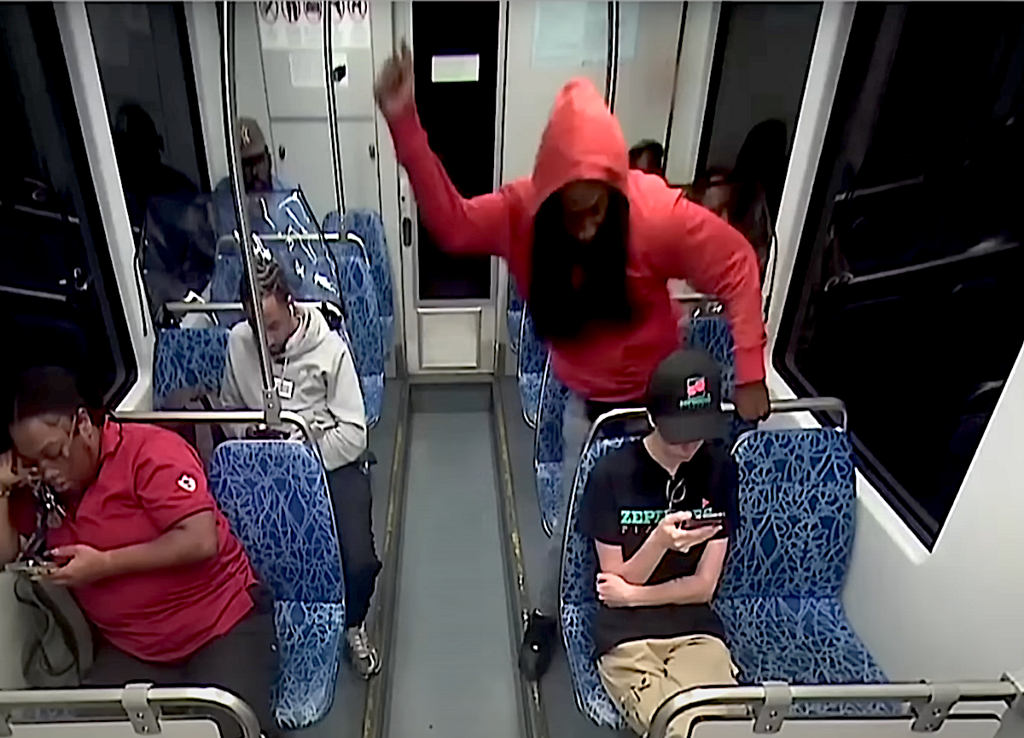
A recent murder in Charlotte, North Carolina, has sparked a political debate, with some media outlets accused of downplaying the incident's significance. Iryna Zarutska, a Ukrainian refugee, was killed last month, and the coverage surrounding her death has drawn criticism from various political commentators.
Politico's headline, "Ukrainian refugee killed in North Carolina gets dragged into political messaging war," (Www.fcc — fcc.gov) has been particularly controversial. Critics argue that this framing trivializes the gravity of the crime, contrasting it with how media handled the death of George Floyd in 2020, which was widely covered as a national crisis.
The New York Times also reported on the incident, stating, "A Gruesome Murder in North Carolina Ignites a Firestorm on the Right," (Www.fcc — fcc.gov) while the Washington Post and Associated Press highlighted the political ramifications, suggesting that Charlotte leaders faced criticism over the killing.
The coverage has led to accusations that some media outlets are attempting to shield Democrats from accountability regarding urban crime rates. Commentators have pointed out that the narrative surrounding Zarutska's murder contradicts claims made by some Democratic leaders that crime is not a significant issue in metropolitan areas.
Critics argue that the media's response reflects a broader trend of downplaying crime issues to maintain a political narrative. They contend that this approach risks ignoring the real-life implications of violent crime on communities.
As the political discourse continues, the murder of Iryna Zarutska has become a focal point for discussions about crime, media responsibility, and political accountability. The differing reactions to her death highlight the polarized nature of contemporary political reporting.
In the wake of this tragedy, some commentators are calling for a more honest dialogue about crime and its impact on communities, urging both media and political leaders to prioritize the safety and well-being of citizens over partisan narratives.