TLT Explains
U.S. Administration Confirms No Plans to Accept Refugees Amid Iran Conflict
What's happening
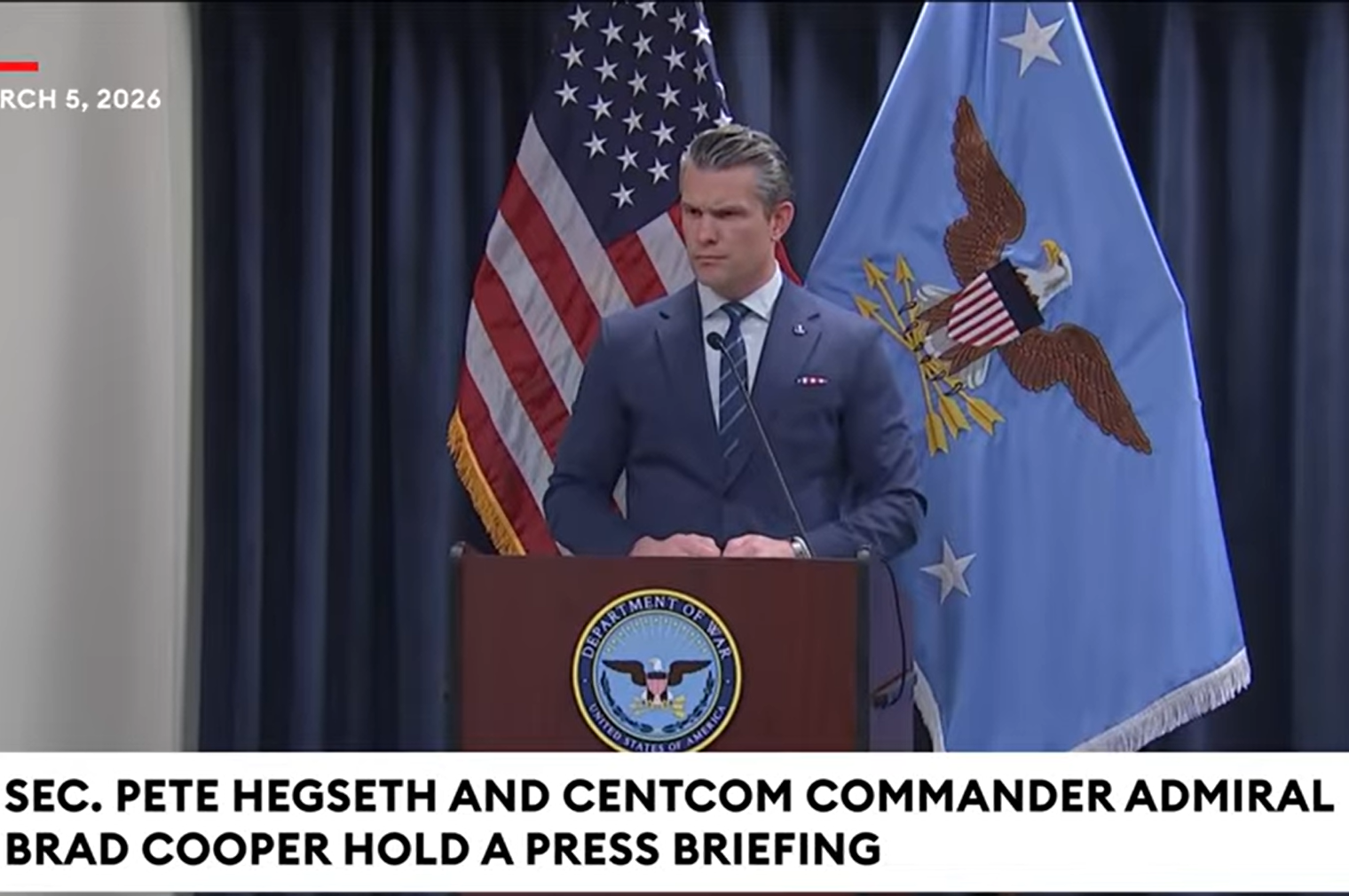
The Trump administration has made clear that it does not intend to accept refugees resulting from the ongoing conflict in Iran. Secretary of War Pete Hegseth stated, "It’s safe to say there’s no plan for a wave of new Middle Eastern refugees to the United States of America," underscoring the expectation that neighboring countries in the region should provide support for displaced populations. This stance comes amid escalating military operations against the Iranian regime, which officials describe as swift and impactful. The administration’s position signals a firm approach to limiting U.S. involvement in managing refugee flows tied to this conflict.
It’s safe to say there’s no plan for a wave of new Middle Eastern refugees to the United States of America,
The decision reflects a broader context shaped by past U.S. military engagements in the Middle East, which have often led to significant refugee resettlement efforts within the United States. Following the Iraq War, for example, approximately 150,000 Iraqis were resettled in the U.S. between 2008 and 2023. Similarly, the withdrawal from Afghanistan in 2021 resulted in a large influx of Afghan refugees, with about 150,000 resettled during that period. These historical precedents have influenced current policy considerations, as officials weigh the humanitarian needs against the logistical and security challenges associated with refugee admissions.
Critics of refugee resettlement programs often highlight concerns related to integration and national security. Reports from the Department of Homeland Security have pointed to difficulties in thoroughly vetting refugees, raising questions about the effectiveness of screening processes. For instance, a 2022 report noted that the Biden administration had not consistently maintained adequate data for vetting Afghan evacuees, which could pose risks. Additionally, some Afghan nationals resettled in the U.S. have faced criminal charges, fueling skepticism about the integration process and its impact on local communities. These issues contribute to the administration’s cautious approach toward accepting refugees from the current Iran conflict.
What's at stake
Secretary Hegseth emphasized that many countries in the Middle East are capable of providing support to those displaced by the conflict, suggesting that the United States should not bear the burden alone. This perspective aligns with a broader strategy to limit U.S. responsibility for refugee crises that arise from military conflicts in the region. The administration appears intent on avoiding the challenges experienced in previous conflicts, which included political backlash and concerns over security and resource allocation. This approach also reflects ongoing debates about the appropriate role of the United States in international humanitarian responses.
The stakes of this policy decision are significant, affecting not only displaced individuals but also the geopolitical dynamics of the Middle East and the domestic political landscape in the United States. Refugees fleeing conflict zones often face urgent humanitarian needs, including safety, shelter, and access to basic services. At the same time, the U.S. government must consider the capacity of local communities to absorb new arrivals and the potential security implications. The administration’s firm stance may influence how regional actors respond to the crisis and could impact international cooperation on refugee assistance.
The conflict in Iran remains fluid, with military operations ongoing and the situation evolving rapidly. While the administration currently maintains a policy of not accepting refugees from this conflict, circumstances on the ground could change, potentially prompting a reassessment. Humanitarian organizations and some lawmakers may increase pressure on the government to provide refuge for those fleeing violence, especially if conditions deteriorate or if regional support proves insufficient. The balance between national security concerns and humanitarian obligations will likely remain a contentious issue.
Looking ahead, the administration’s approach to refugees amid the Iran conflict will be closely watched by both supporters and critics. Key factors to monitor include developments in the conflict itself, the capacity and willingness of regional countries to host displaced populations, and domestic political debates over immigration and security policy. The government may face calls to adjust its stance if the humanitarian situation worsens or if international pressure mounts. Decisions made in the coming months will shape the U.S. role in responding to this crisis and could set precedents for future conflicts in the region.
Why it matters
The Iran conflict is ongoing, with rapid military actions affecting regional stability and displacement. Past U.S. military engagements in the Middle East have led to large refugee resettlements in the United States. Concerns about refugee vetting and integration influence the administration’s reluctance to accept new refugees.
The administration aims to limit U.S. responsibility for refugee crises arising from military conflicts. Changing conditions in Iran could prompt future policy reassessments regarding refugee admissions. The approach affects both displaced individuals and broader geopolitical and domestic political considerations.
Key facts & context
The Trump administration has stated it will not accept refugees from the ongoing Iran conflict. Secretary of War Pete Hegseth emphasized that regional countries should provide support for displaced persons. Approximately 150,000 Iraqi refugees were resettled in the U.S. between 2008 and 2023 following the Iraq War.
Around 150,000 Afghan refugees were resettled in the U.S. after the 2021 withdrawal from Afghanistan. A 2022 Department of Homeland Security report highlighted challenges in vetting Afghan evacuees. Some Afghan nationals resettled in the U.S. have faced criminal charges, raising integration concerns.
The administration’s stance reflects a broader strategy to avoid the complications of past refugee resettlement efforts. The conflict in Iran is described by officials as swift and impactful, with ongoing military operations. The policy may be reassessed if the humanitarian situation in Iran worsens or regional support proves inadequate.
The administration’s refugee policy amid the Iran conflict is subject to scrutiny from both supporters and critics.
Timeline & key developments
2026-03-10: U.S. Administration Signals No Plans for Refugees Amid Iran Conflict. Additional reporting on this topic is available in our broader archive and will continue to shape this timeline as new developments emerge.
Primary sources
Further reading & references
- (Additional background links will appear here as we cover this topic.)
Related posts
- Trump Administration Faces Scrutiny Over Justifications for Iran-Israel Conflict Involvement
- U.S. Administration Signals No Plans for Refugees Amid Iran Conflict
- Questions Arise Over Iran's Nuclear Program Amid U.S. Military Threats
- U.S. Officials Cite Israel's Influence in Decision to Engage Iran
- War Secretaries On Bringing Back Manufacturing, Covid Objectors
- U.S. and Israel Launch Air Strikes Against Iran Amid Geopolitical Tensions