TLT Explains
Trump Settlement Establishes $1.776 Billion Fund to Compensate Alleged Political Targets
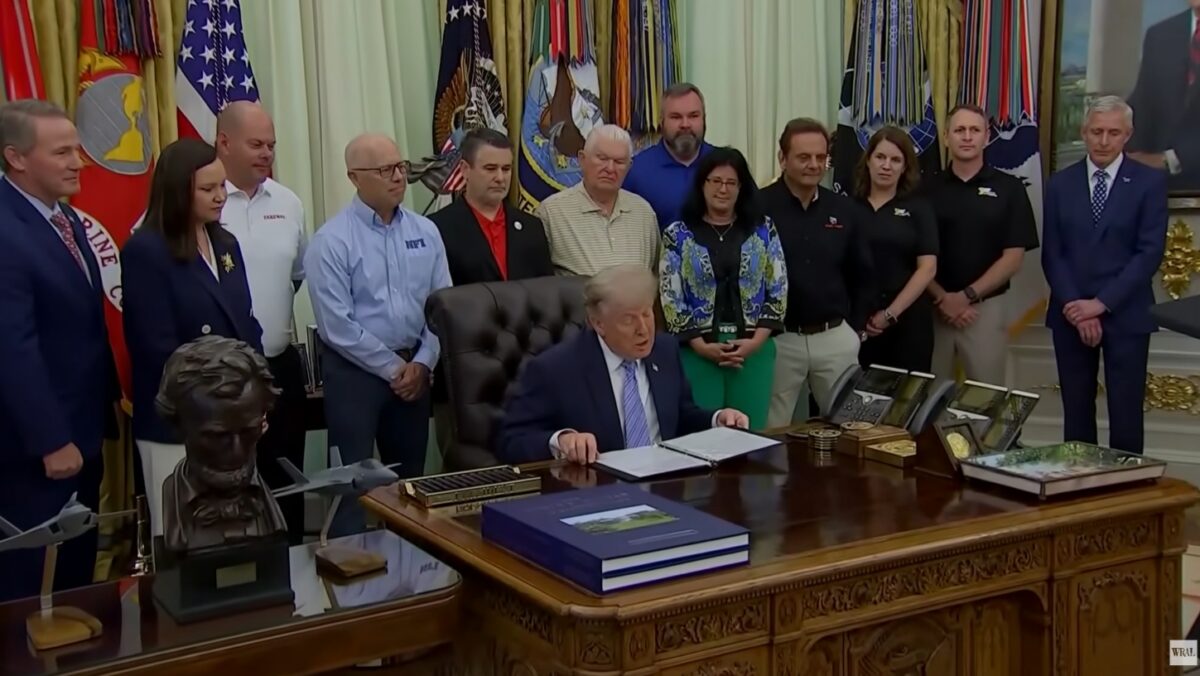
What's happening
A recent legal settlement in the Trump v. IRS case has resulted in the creation of a $1.776 billion compensation pool, known as the "1776 Fund," designed to provide financial redress for individuals who claim they were politically targeted during investigations. Acting Attorney General Todd Blanche described the fund as a response to allegations of "lawfare and weaponization" of government agencies against ordinary Americans under the previous administration. This fund aims to address grievances stemming from what supporters characterize as politically motivated legal actions.
The establishment of the 1776 Fund has sparked intense debate across the political spectrum. Senate Republicans have strongly criticized the fund, arguing that it effectively rewards individuals involved in the January 6 Capitol events. Senator Thom Tillis of North Carolina notably referred to the fund as a "payout pot for punks," reflecting broader GOP concerns that led to the cancellation of key votes on border funding and an early recess for Memorial Day. Conversely, critics on the left have dismissed the fund as a "slush fund for January 6 cop-beaters and aggrieved MAGA foot soldiers," a characterization that fund supporters reject as inaccurate and unfair.
The fund is open to any U.S. person or entity who believes they were unfairly targeted, with no partisan restrictions. However, notable exclusions include former President Donald Trump, his sons, and the Trump Organization, who are explicitly barred from receiving payouts. This broad eligibility is intended to provide relief to private citizens and entities who suffered harm due to alleged political investigations, rather than to political figures or organizations directly involved in the events that triggered the investigations.
The controversy surrounding the fund is rooted in allegations of extensive political targeting during the Biden administration. Investigations revealed that an operation known as "Arctic Frost" involved the issuance of 197 secret subpoenas targeting 34 individuals and 163 businesses, encompassing at least 430 Republican-affiliated persons and entities. Many of these subpoenas included gag orders and nondisclosure agreements, preventing those targeted from knowing about the investigations until years later. This secretive approach has been a major point of contention, raising concerns about transparency and due process.
What's at stake
Mark Davis, a member of the Georgia Republican Party’s Election Confidence Task Force, publicly stated that he was among those targeted and plans to file a claim with the 1776 Fund. The targeting extended beyond federal agencies, as reports indicate coordination between the Biden White House and the Department of Justice with state prosecutors to increase pressure on private citizens involved in lawful election integrity efforts. This coordination has amplified fears of government overreach and political weaponization of legal processes.
Supporters of the fund emphasize that it is primarily intended to assist uncharged private citizens and those unjustly charged, excluding violent offenders from eligibility. They argue that the fund represents a necessary step to provide relief for individuals harmed by ideological targeting and to restore trust in the fairness of government investigations. The Department of Justice has underscored this intent in its statements regarding the fund’s purpose and scope.
Despite the immediate relief the 1776 Fund offers, critics argue that it does not address the underlying issues of selective law enforcement and political weaponization. For example, while the 2020 George Floyd protests resulted in billions of dollars in damages, federal prosecutions were limited. In contrast, the January 6 Capitol incident led to over 1,500 federal charges, including many against non-violent participants. This disparity has fueled calls for structural reforms to ensure consistent and fair application of the law regardless of political affiliation.
Reform advocates propose measures such as imposing caps or requiring approvals for large payouts from the Judgment Fund, reinstating safeguards removed under the current administration, and tightening limits on privilege waivers and transcript sharing. They also call for prompt notification rules to inform private citizens when investigations close without charges, aiming to prevent prolonged harm caused by secret subpoenas and gag orders. These reforms seek to prevent future misuse of government power and protect citizens’ rights.
Looking ahead, the 1776 Fund represents an immediate response to claims of political targeting, but it is unlikely to be the final chapter in this ongoing debate. Lawmakers and advocacy groups will likely continue pushing for legislative and procedural reforms to address concerns about lawfare and government overreach. Monitoring how the fund is administered and whether it leads to broader changes in investigative practices will be key in determining its long-term impact on the justice system and political accountability.
Why it matters
The 1776 Fund aims to compensate individuals who claim they were politically targeted during investigations under the previous administration. Concerns about selective law enforcement during the Biden administration have heightened debates about fairness and justice. Supporters argue that reforms limiting privilege waivers and transcript sharing are necessary to prevent future political weaponization.
Calls for prompt notification when investigations close without charges seek to protect citizens from prolonged secret scrutiny. The fund highlights broader issues of government power and the risk of lawfare undermining democratic principles.
Key facts & context
The Trump v. IRS settlement established a $1.776 billion compensation pool called the 1776 Fund. Acting Attorney General Todd Blanche described the fund as addressing claims of lawfare and weaponization against ordinary Americans. Senate Republicans criticized the fund, with Senator Thom Tillis calling it a "payout pot for punks."
The fund excludes Donald Trump, his sons, and the Trump Organization from receiving payouts. Operation "Arctic Frost" involved 197 secret subpoenas targeting 34 individuals and 163 businesses linked to Republicans. Many subpoenas included gag orders, preventing targets from knowing about investigations until years later.
Mark Davis of Georgia’s Election Confidence Task Force confirmed he was targeted and plans to file a claim. The Biden White House and Department of Justice coordinated with state prosecutors to pressure private citizens. Over 1,500 federal charges were filed after January 6, including many against non-violent participants.
Reform proposals include caps on Judgment Fund payouts and reinstating safeguards removed under the Biden administration. Advocates call for prompt notification rules to prevent harm from secret subpoenas and gag orders. The fund is open to any U.S. person or entity, with no partisan requirements except for specific exclusions.
Timeline & key developments
2026-05-28: Trump Settlement Creates $1.776 Billion Fund Amid Lawfare Claims. Additional reporting on this topic is available in our broader archive and will continue to shape this timeline as new developments emerge.
Primary sources
Further reading & references
- (Additional background links will appear here as we cover this topic.)
Related posts
- John Eastman Disbarred by California Bar Amid Debate Over Political Bias in Legal System
- Shooting Incident at White House Correspondents’ Dinner Raises Concerns Over Political Rhetoric
- New Transcripts Shed Light on 2019 Trump Impeachment Process
- Trump Announces Ceasefire with Iran Amid Heightened Rhetoric
- Trump Administration to Withdraw 5,000 Troops from Germany Amid Criticism
- Transcripts Reveal Details of 2019 Impeachment Inquiry Against Trump