TLT Explains
John Eastman Disbarred by California Bar Amid Debate Over Political Bias in Legal System
What's happening
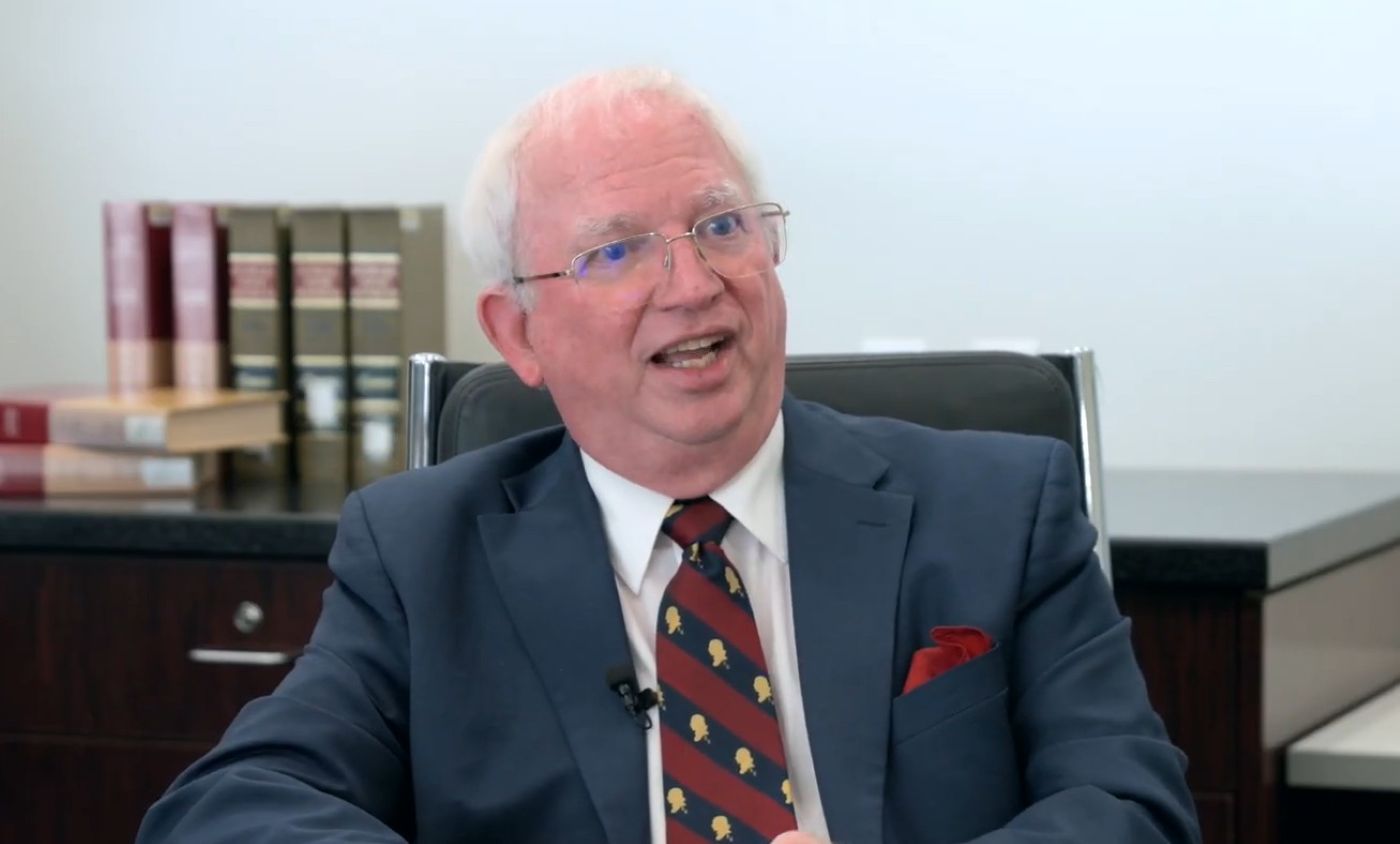
John Eastman, a former attorney for Donald Trump, was recently disbarred by the California Bar Association due to his role in challenging the 2020 presidential election results. This disciplinary action has sparked widespread discussion about whether political bias influences legal proceedings, particularly in cases involving high-profile conservative figures. Eastman’s disbarment has become a focal point for debates on fairness and impartiality within the legal profession, raising questions about how political affiliations might affect the administration of justice.
The background of this case traces to Eastman’s involvement in legal efforts to contest the outcome of the 2020 election, which many critics argue undermined democratic processes. Supporters of the disbarment contend that Eastman’s legal tactics crossed ethical boundaries, violating professional standards expected of attorneys. Conversely, Eastman and his allies claim that he was simply representing his client’s interests within the scope of the law and that his punishment reflects a politically motivated effort to silence conservative legal voices. This clash highlights the broader tension between legal ethics and political advocacy in contentious political environments.
The main actors in this unfolding story include John Eastman himself, the California Bar Association, and various legal and political commentators weighing in on the implications of the disbarment. Eastman has publicly decried the decision, framing it as part of a ‘‘leftist Marxist capture’’ of institutions aimed at suppressing opposition to what he describes as a ‘‘deep globalist state.’’ On the other side, the California Bar Association maintains that its disciplinary actions are based on upholding ethical standards rather than political considerations. Other figures, such as former Trump official Jeffrey Clark, have echoed Eastman’s claims of a two-tiered justice system, arguing that conservative lawyers face harsher penalties than their liberal counterparts.
Critics of Eastman’s disbarment point to cases like that of former FBI lawyer Kevin Clinesmith, who was convicted of falsifying evidence but later reinstated to the bar after a suspension. They argue that such disparities in disciplinary outcomes suggest political bias within the legal system. Clark and others assert that Eastman’s disbarment was less about legal ethics and more about punishing him for representing a politically disfavored client. This perception fuels concerns about the integrity of the legal profession and whether political affiliations improperly influence disciplinary measures.
What's at stake
Eastman has responded by launching fundraising efforts for a legal defense fund and seeking to challenge the disbarment in the U.S. Supreme Court. He maintains that his actions were proper legal representation and that the disciplinary ruling is an attempt to intimidate lawyers who take on politically sensitive cases. Supporters, including U.S. Assistant Attorney General Harmeet Dhillon, have criticized the disbarment as an ‘‘outrageous persecution’’ that could deter attorneys from representing controversial clients. They warn that such disciplinary actions might create a chilling effect, discouraging legal professionals from engaging in politically charged litigation.
On the other hand, those defending the California Bar’s decision emphasize the importance of maintaining ethical standards regardless of political context. They argue that lawyers have a duty to uphold the law and that Eastman’s strategies, which sought to overturn certified election results, compromised the integrity of the electoral process. This perspective underscores the challenge of balancing vigorous legal advocacy with adherence to professional responsibilities, particularly in highly polarized political climates. The debate reflects broader questions about the role of lawyers in democratic societies and the limits of permissible legal conduct.
The stakes in this case are significant for multiple groups. Legal professionals nationwide are watching closely, as the outcome may influence how disciplinary bodies handle politically sensitive cases in the future. For conservative legal circles, Eastman’s disbarment is seen by some as a warning sign of increased scrutiny and potential bias. Meanwhile, advocates for legal ethics stress the necessity of accountability to preserve public trust in the justice system. The controversy also touches on broader societal concerns about political polarization and the potential erosion of impartial institutions.
Looking ahead, the legal battle over Eastman’s disbarment is likely to continue through appeals and possibly reach the Supreme Court, which could set important precedents for legal discipline in politically charged cases. Meanwhile, discussions about political bias in the legal system are expected to intensify, with calls for reforms to ensure fairness and transparency. Observers will be paying attention to how disciplinary bodies navigate these complex issues and whether new rules or safeguards emerge to address concerns raised by this case. The resolution of Eastman’s situation may shape the future landscape of legal representation and professional accountability in politically sensitive matters.
Why it matters
The disbarment raises concerns about whether political affiliations influence legal disciplinary actions. It highlights tensions between upholding legal ethics and representing politically contentious clients. The case may deter lawyers from taking on controversial or politically sensitive cases.
Critics argue that inconsistent disciplinary outcomes suggest a two-tiered justice system. The outcome could impact public trust in the impartiality of the legal profession.
Key facts & context
John Eastman was disbarred by the California Bar Association for his role in challenging the 2020 election results. Eastman represented former President Donald Trump in litigation contesting the 2020 presidential election outcome. The California Bar Association is responsible for regulating attorney conduct and enforcing ethical standards.
Eastman has initiated a legal defense fund and plans to appeal the disbarment, potentially to the U.S. Supreme Court. Former FBI lawyer Kevin Clinesmith was convicted of falsifying evidence but was reinstated to the bar after suspension. Critics claim that Eastman faced harsher penalties than some liberal counterparts with serious misconduct allegations.
Supporters of Eastman argue the disbarment is politically motivated and part of a broader effort to silence conservative lawyers. U.S. Assistant Attorney General Harmeet Dhillon criticized the disbarment as persecution for advising a client. The California Bar Association has not publicly addressed claims of political bias in its disciplinary decisions.
The case has intensified debates about the role of political bias in legal discipline and professional accountability.
Timeline & key developments
2026-04-16: John Eastman Disbarred Amid Claims of Political Bias in Legal System. Additional reporting on this topic is available in our broader archive and will continue to shape this timeline as new developments emerge.
Primary sources
Further reading & references
- (Additional background links will appear here as we cover this topic.)
Related posts
- DHS Arrests Criminal Unauthorized Immigrants Amid Rising Political Disputes Over Immigration Enforcement
- Wisconsin Brewpub Owner Kirk Bangstad Enters Governor’s Race Amid Controversy Over Trump Remarks
- Trump Dismisses Attorney General Pam Bondi Amid Frustrations Over DOJ Performance
- Protests Erupt Over Federal Actions Amid Criticism of Democratic Opposition
- Shooting Incident at White House Correspondents’ Dinner Raises Concerns Over Political Rhetoric