TLT Explains
Supreme Court Considers Challenge to Birthright Citizenship Under 14th Amendment
What's happening
The U.S. Supreme Court recently heard oral arguments in a high-profile case challenging the traditional interpretation of the 14th Amendment, which grants citizenship to anyone born on American soil. This challenge, brought forth by the Trump administration, questions whether birthright citizenship should continue to apply regardless of the parents’ immigration status. The case has sparked intense debate about the constitutional meaning of citizenship and the impact of modern immigration practices, particularly birth tourism, where foreign nationals travel to the U.S. to give birth and secure citizenship for their children.
The 14th Amendment, ratified in 1868, was originally intended to guarantee citizenship to formerly enslaved people following the Civil War. Over time, courts have interpreted its Citizenship Clause to mean that virtually anyone born in the United States automatically becomes a citizen. This interpretation has been a cornerstone of American immigration law for over a century. However, opponents argue that this broad reading has been exploited in recent decades, especially through birth tourism, which they claim undermines the integrity of the citizenship system.
During the oral arguments, Justice Clarence Thomas highlighted the historical context of the amendment, questioning whether its framers intended to address immigration issues. U.S. Solicitor General John Sauer emphasized that the amendment’s original purpose was not to facilitate what he described as an "international migration boondoggle." Sauer pointed to the rise of birth tourism businesses, particularly in countries like China, where over a thousand companies reportedly assist pregnant women in traveling to the U.S. to give birth. This practice has fueled concerns that birthright citizenship is being manipulated for immigration advantages.
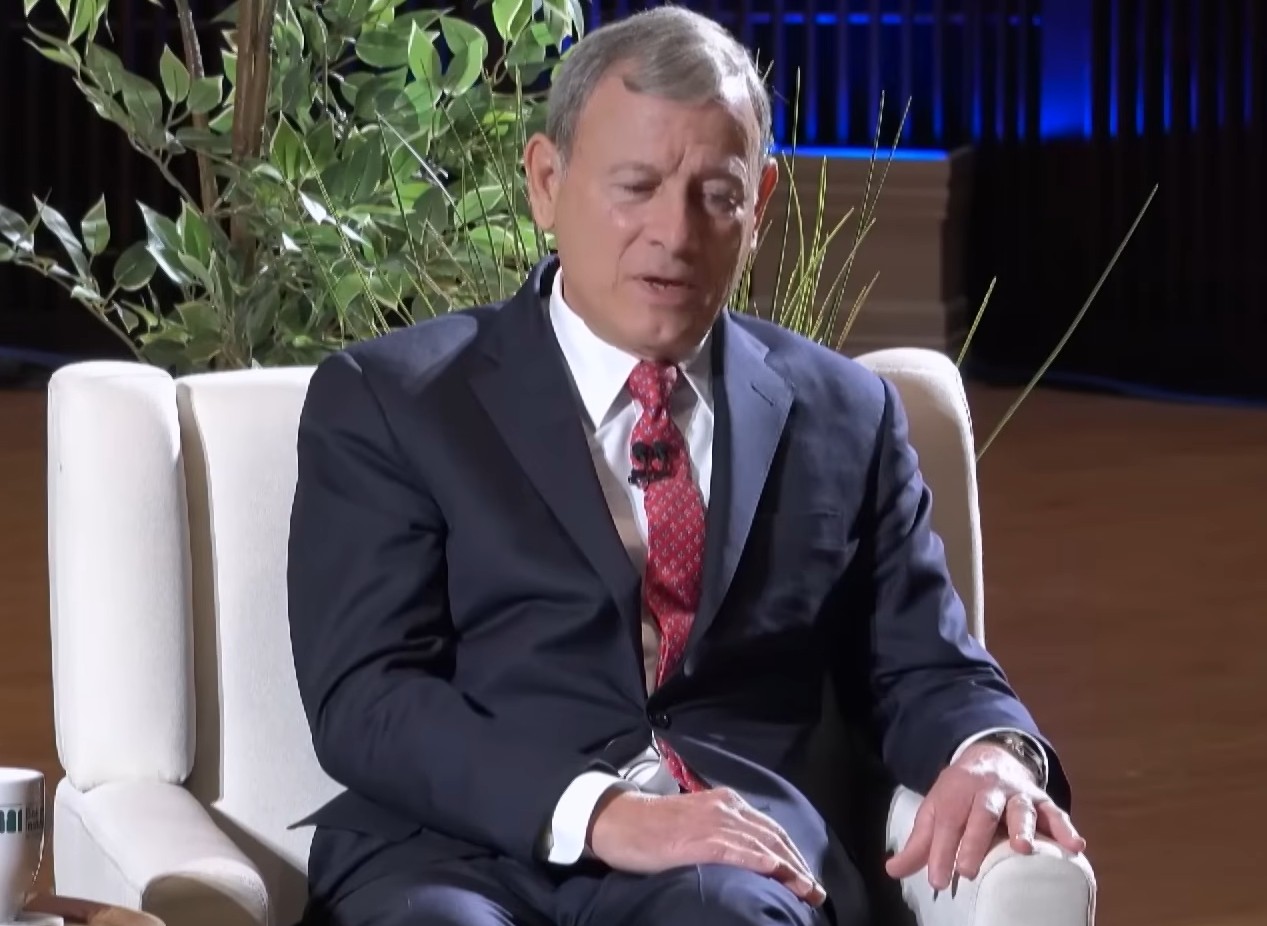
Chief Justice John Roberts engaged with these concerns, acknowledging the changing realities of immigration while underscoring the enduring nature of the Constitution. He remarked, "It’s a new world, it’s the same Constitution," suggesting the court must balance contemporary challenges with constitutional principles. The justices’ questions reflected a broader tension between adhering to long-standing legal interpretations and adapting to evolving immigration dynamics.
It’s a new world, it’s the same Constitution,
What's at stake
Supporters of birthright citizenship argue that it is a fundamental constitutional right that ensures equality and prevents discrimination based on nationality. They maintain that the Citizenship Clause protects the principle that anyone born in the U.S. is entitled to citizenship, regardless of their parents’ status. This principle, they say, is essential to maintaining the nation’s commitment to equal rights and inclusion. They warn that altering this interpretation could create a class of stateless individuals and undermine the country’s values.
Opponents, including the Trump administration, contend that the current interpretation encourages unauthorized immigration and birth tourism, which they believe exploit the system. They argue that citizenship should be tied to the legal status of the parents rather than the location of birth. This position raises complex questions about sovereignty, immigration control, and the meaning of national membership. Critics also warn that upholding birthright citizenship without change could erode public trust in the Supreme Court, especially given its conservative majority and the political sensitivity of immigration issues.
The stakes of this case extend beyond legal theory to affect millions of people living in the United States. A ruling that narrows birthright citizenship could impact children born to undocumented immigrants, potentially denying them citizenship and complicating their legal status. It could also influence broader immigration policies and enforcement practices. Conversely, affirming the current interpretation would maintain the status quo but might intensify debates about immigration reform and border security.
As the Supreme Court deliberates, the nation watches closely. The decision could reshape the legal landscape of citizenship and immigration for generations, influencing how the United States defines belonging and national identity. The court’s ruling will likely have ripple effects on immigration policy, legal challenges, and public discourse. The timing of the decision and its precise legal reasoning will be key to understanding its full impact.
Looking ahead, observers should monitor the court’s final ruling and any subsequent legal or legislative responses. If the court upholds the traditional interpretation, lawmakers may seek other avenues to address concerns about birth tourism and immigration. If the court narrows birthright citizenship, it could prompt immediate legal challenges and policy changes affecting immigrant communities. The case underscores the ongoing tension between constitutional principles and contemporary immigration realities, making it a defining moment for American law and society.
Why it matters
The Supreme Court is reconsidering the 14th Amendment’s interpretation of birthright citizenship, a foundational constitutional principle. The case addresses concerns about birth tourism, where foreign nationals give birth in the U.S. to secure citizenship for their children. A ruling against birthright citizenship could significantly alter immigration law and affect millions of children born in the U.S. to noncitizen parents.
The decision could influence public trust in the Supreme Court, especially amid debates over its conservative majority and immigration rulings. The outcome will shape national discussions about citizenship, immigration policy, and the balance between constitutional rights and border control.
Key facts & context
The 14th Amendment was ratified in 1868 to guarantee citizenship to formerly enslaved individuals. The current legal interpretation grants citizenship to anyone born on U.S. soil, regardless of parental immigration status. The Trump administration challenged this interpretation, citing concerns about birth tourism.
Birth tourism involves pregnant women traveling to the U.S. to give birth and secure citizenship for their children. There are reportedly over 1,000 businesses in China facilitating birth tourism to the U.S. Justice Clarence Thomas and Solicitor General John Sauer questioned the original intent of the 14th Amendment during oral arguments.
Chief Justice John Roberts emphasized the need to apply the Constitution to modern circumstances. Supporters argue birthright citizenship prevents discrimination and ensures equality under the law. Opponents argue it encourages unauthorized immigration and undermines sovereignty.
The Supreme Court’s ruling could affect immigration policy and citizenship rights for generations. The case has drawn widespread public attention and could impact the court’s credibility. The final decision is pending, with significant implications for the future of American citizenship law.
Timeline & key developments
2026-04-01: Supreme Court Hears Arguments on Birthright Citizenship. Additional reporting on this topic is available in our broader archive and will continue to shape this timeline as new developments emerge.
Primary sources
Further reading & references
- (Additional background links will appear here as we cover this topic.)
Related posts
- 24 State Attorneys General Support Challenge to Birthright Citizenship
- Supreme Court to Review Birthright Citizenship Interpretation
- Chinese Billionaire's Surrogacy Raises Questions on Birthright Citizenship
- Supreme Court to Review Birthright Citizenship Precedent
- Supreme Court to Hear Case on Birthright Citizenship Amid Immigration Debate
- Supreme Court Rules in Favor of ICE Operations in California