TLT Explains
Senate Judiciary Committee Advances Bills to Permit Cameras in Supreme Court and Federal Courts
What's happening
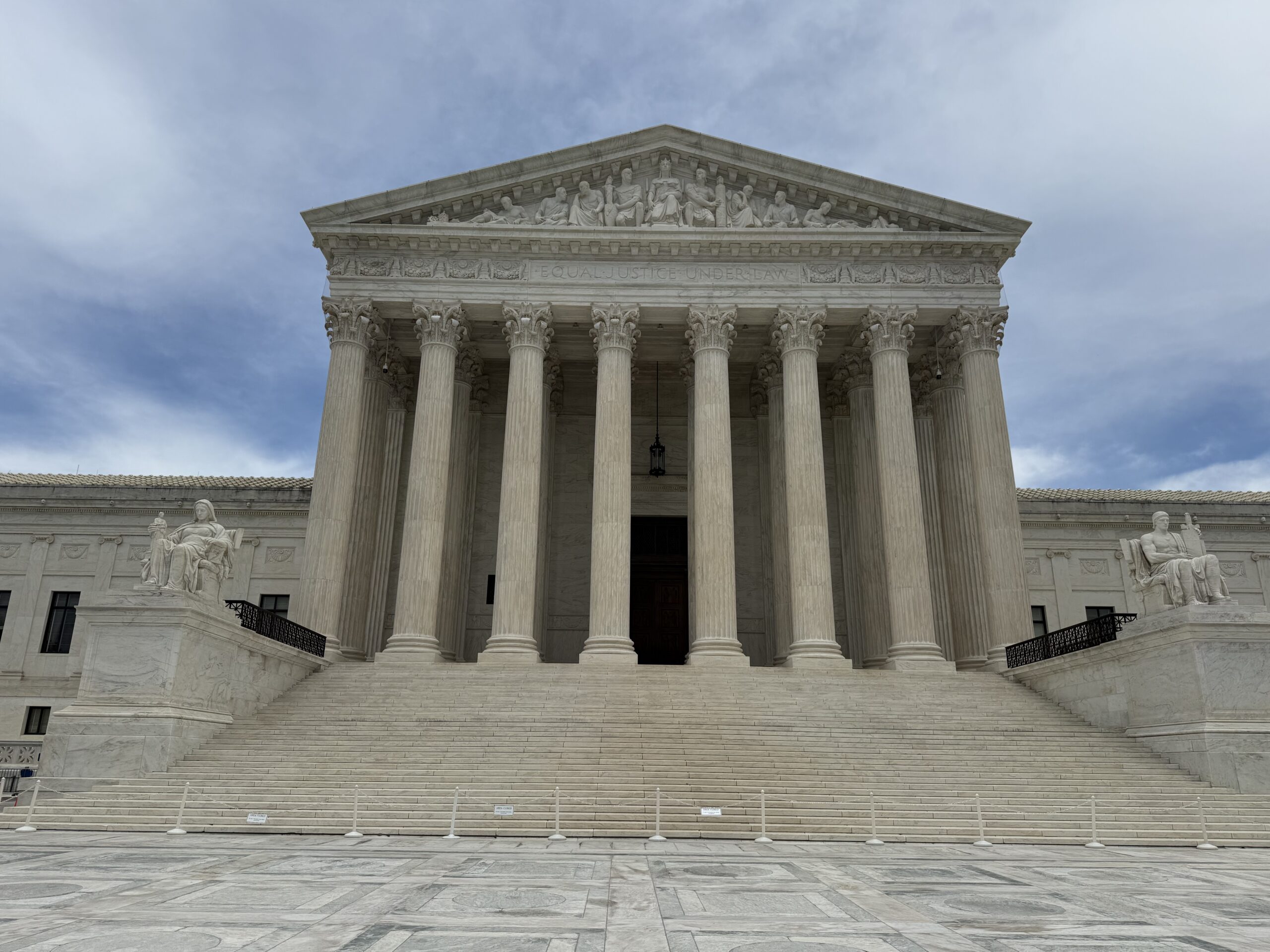
The Senate Judiciary Committee recently took a notable step toward increasing transparency in the federal judiciary by advancing two bills that would allow televised coverage of Supreme Court hearings and other federal court proceedings. Both measures passed by voice vote on Thursday, signaling bipartisan support, and are now scheduled for consideration by the full Senate. This development marks a significant shift in longstanding policies that have traditionally prohibited cameras in federal courtrooms.
Currently, the Supreme Court provides audio livestreams of its oral arguments and releases transcripts after hearings conclude, but it does not permit visual recordings. The broader federal judiciary has historically banned recording devices in courtrooms to preserve decorum and protect the integrity of proceedings. The proposed legislation, known as the Cameras in the Courtroom Act, would change this by allowing television coverage of all open sessions unless a majority of justices determine that such coverage would infringe on due process rights. This bill is sponsored by Senate Judiciary Committee Chair Chuck Grassley, a Republican from Iowa, and Ranking Member Dick Durbin, a Democrat from Illinois.
Alongside this, the Sunshine in the Courtroom Act, which also advanced through the committee, seeks to extend similar provisions to federal appellate and district courts. This bill includes specific safeguards designed to protect witnesses and jurors, as well as guidelines to ensure the new rules are implemented effectively and responsibly. Together, these measures aim to open up the judicial process to greater public scrutiny and understanding.
Proponents of the legislation argue that televising court proceedings would provide the public with unprecedented insight into how the judicial system operates. They contend that increased visibility could foster a better-informed citizenry by demystifying courtroom procedures and decisions. Supporters, including Grassley and Durbin, have emphasized that televising these hearings would allow Americans to see firsthand what occurs in courtrooms across the country, potentially enhancing trust in the judiciary.
What's at stake
However, the proposals have drawn criticism from those concerned about the potential downsides of cameras in courtrooms. Opponents warn that the presence of cameras could encourage performative behavior among judges and attorneys, detracting from the seriousness and impartiality of judicial proceedings. They point to recent televised congressional hearings as examples where public sessions devolved into theatrical displays rather than substantive debate, raising concerns that similar dynamics could emerge in courtrooms.
Critics also argue that the current audio-only format helps maintain judicial decorum and focus, which might be compromised by visual coverage. Some legal experts suggest that judges could be tempted to act for the camera, potentially undermining the gravitas of their role and the fairness of trials. These concerns highlight the tension between transparency and preserving the solemnity and integrity of the judicial process.
The debate over allowing cameras in the courtroom reflects broader questions about transparency, accountability, and public access to government institutions. Supporters see the bills as a way to modernize the judiciary and make it more accessible to the public, while opponents caution against unintended consequences that could arise from increased media exposure. As the full Senate prepares to debate the bills, lawmakers will need to weigh these competing interests carefully.
If the Senate approves the legislation, it could lead to a historic change in how federal courts operate, potentially setting new standards for openness and public engagement. However, even if passed, implementation would require careful oversight to address concerns about privacy, witness protection, and courtroom decorum. The judiciary would likely develop detailed rules and procedures to manage televised coverage responsibly.
Looking ahead, the key developments to watch include the full Senate's deliberations and vote on the bills, as well as responses from the Supreme Court and lower federal courts. Observers will also be attentive to how the judiciary balances transparency with the need to maintain fair and dignified proceedings. The outcome could reshape public access to the judicial process in the United States for years to come.
Why it matters
Allowing cameras in the Supreme Court and federal courts aims to increase transparency and public understanding of judicial proceedings. Televised hearings could help demystify the judicial process and build greater trust in the legal system among Americans. The legislation includes safeguards to protect witnesses and jurors, addressing privacy and security concerns.
Opponents worry that cameras may encourage performative behavior, undermining the seriousness and impartiality of court proceedings. The debate highlights the challenge of balancing openness with maintaining courtroom decorum and judicial integrity.
Key facts & context
The Senate Judiciary Committee advanced two bills permitting televised coverage of Supreme Court and federal court hearings by voice vote on June 18, 2026. The Cameras in the Courtroom Act is sponsored by Chair Chuck Grassley (R-Iowa) and Ranking Member Dick Durbin (D-Ill). The Sunshine in the Courtroom Act extends similar provisions to federal appellate and district courts and includes protections for witnesses and jurors.
Currently, the Supreme Court provides audio livestreams and transcripts but does not allow cameras in the courtroom. The federal judiciary has historically prohibited recording devices to preserve courtroom decorum and the integrity of proceedings. Supporters argue that televised court proceedings would inform the public and increase judicial transparency.
Critics caution that cameras could lead to theatrical behavior and diminish the dignity of judicial proceedings. The bills now await consideration by the full Senate following committee approval. Implementation of televised coverage would require detailed guidelines to protect privacy and maintain courtroom order.
The debate reflects broader tensions between transparency and preserving the solemnity of government institutions.
Timeline & key developments
2026-06-19: Senate Advances Bills to Allow Cameras in Supreme Court. Additional reporting on this topic is available in our broader archive and will continue to shape this timeline as new developments emerge.
Primary sources
Further reading & references
- (Additional background links will appear here as we cover this topic.)
Related posts
- Democrats Renew Push to Expand Supreme Court After Controversial Louisiana Redistricting Ruling
- Justice Clarence Thomas Becomes Second-Longest Serving Supreme Court Justice in U.S. History
- House Subcommittee Hearing Highlights Divisions Over Court Packing
- Democratic Strategist Suggests Court Packing as Future Strategy
- Justice Samuel Alito Marks 20 Years on Supreme Court Amid Renewed Attention
- Justice Ketanji Brown Jackson Questions Lower Court Compliance with SCOTUS Orders