Leaders of the Make America Healthy Again (MAHA) movement say recent midterm election losses for their endorsed candidates will not derail their efforts, pointing to new allies in the White House and ongoing grassroots momentum.
Explainer Public Health Impacts of Online Gambling and Cannabis Legalization Debates
The movement’s future direction is in focus after several MAHA-backed candidates, including Iowa Republican gubernatorial nominee Zach Lahn, lost their races. MAHA leaders argue the election was not a direct judgment on their agenda, but rather reflected broader dissatisfaction with government.
The MAHA movement, which advocates for reforms such as reducing pesticides in food and promoting trustworthy science in public health, has faced challenges in gaining traction at the ballot box. However, recent changes in White House personnel and the withdrawal of a key regulatory nominee have given supporters renewed optimism.
White House Changes and MAHA’s Agenda
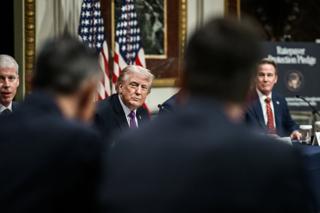
Following the midterms, MAHA leaders welcomed the replacement of White House chief of staff Susie Wiles with Stephen Miller, who is described as more sympathetic to their cause. They also noted the withdrawal of Dr. Heidi Overton’s nomination as Food and Drug Administration commissioner, a move seen as removing an obstacle to MAHA priorities.
Zach Lahn, who won the Iowa Republican gubernatorial primary but lost the general election, said, “There’s nothing but opportunity for MAHA in the next two years.” He credited the new White House leadership, including Miller and his wife, as committed supporters of MAHA’s goals, such as eliminating pesticides from food and ensuring reliable science in government health guidance.
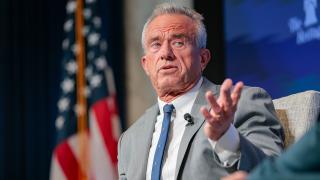
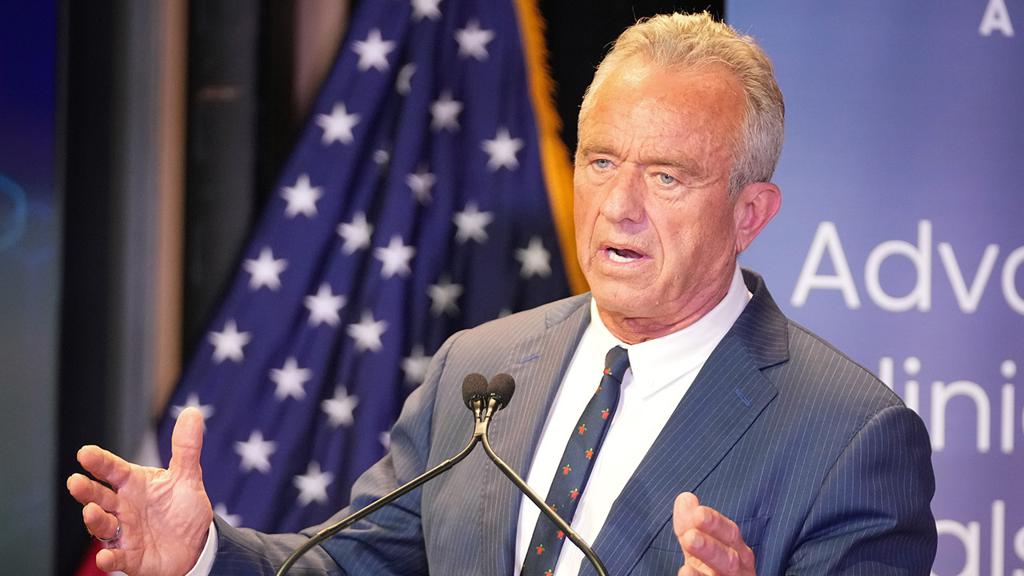
Jay Richards, Heritage Foundation vice president and MAHA proponent, said Miller’s appointment could help align the White House and Health and Human Services Secretary Robert F. Kennedy Jr. on MAHA objectives. “Having a White House in which not just the president but senior staff are rowing in the same direction as the MAHA parts of the coalition is really, really good news,” Richards said.
Movement’s Bipartisan Appeal and Challenges
MAHA leaders argue that their issues cross party lines, with some Democrats adopting similar talking points on food safety and environmental health. Lahn said, “This should be a bipartisan movement…focused on the health of our children, the next generation, getting people to be able to have good, real food and science they can trust when it comes from government agencies.”
Mary Holland, CEO of Children’s Health Defense, sees opportunities for bipartisan work on issues like pesticides, though she expressed skepticism about Democrats’ willingness to pursue these policies. “These are long-standing Democrat issues, dyes in food, glyphosate, like these are Democrat centrist environmental toxicity issues. So, is there potential? 1,000%. Are the Democrats going to choose that route? Candidly, I doubt it,” she said.
Jeffrey Tucker, founder of the Brownstone Institute, suggested there could be common ground with Democrats on banning pharmaceutical advertisements, but said they are unlikely to address MAHA’s central concern over COVID-19 vaccine injuries.
Grassroots Influence and Future Outlook
Despite electoral setbacks, MAHA leaders say their base remains engaged and influential. Lahn emphasized that the movement’s supporters are highly motivated and not easily swayed. “They do far too much research, and they’re far too passionate on their own to…be put in a position where they’re not going to see what’s actually happening,” he said.
Mark Gorton, co-founder of the MAHA Institute, described himself as “the most optimistic I’ve ever been,” arguing that the underlying issues driving MAHA’s creation persist. “MAHA is in great shape because at the end of the day, the problems that drive the creation of MAHA are still there and are only getting worse,” Gorton said.
"There’s nothing but opportunity for MAHA in the next two years."
— Zach Lahn, Iowa Republican and MAHA supporter
Lahn also predicted that Republican presidential candidates will need to address MAHA issues to compete in the Iowa caucuses, citing the movement’s strong grassroots presence in the state. He said, “I don’t think you can plan to come through Iowa as a presidential candidate if you do not have a firm grasp on how do we protect the health of the next generation and start to eliminate the corruption and corporate capture that’s causing us to have these health issues in the first place.”
MAHA leaders maintain that the movement is not dependent on any single figure, including Secretary Kennedy. Tucker said, “Even though Bobby over HHS is a very big figure and a big voice in this movement, he is not the only one, and he is not a central point of failure.”
Lahn warned that entrenched special interests and corporations will resist MAHA’s agenda, but argued that public concern for family health has made the movement’s momentum irreversible.