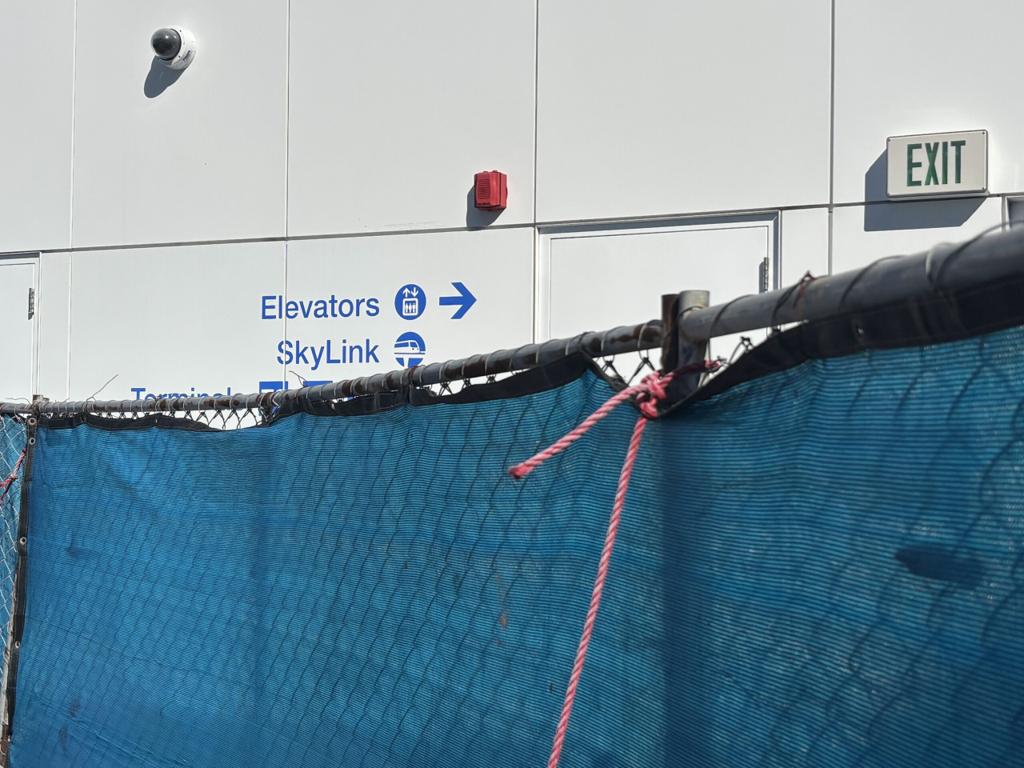
A major Los Angeles airport transportation project, SkyLink, is facing escalating delays, legal disputes, and financial uncertainty, with a critical court hearing and lender deadline set for December. The project’s future is now in doubt as contractors and city officials trade accusations over sabotage, contract breaches, and vandalism, while costs and timelines continue to slip.
Explainer California Elections: Low Turnout, Vote Counting Controversies, and Political Implications
SkyLink is a 2.25-mile automated train system intended to connect Los Angeles International Airport (LAX) terminals with off-site rental car facilities. The project was approved in 2018 with a promised opening in 2023 and a $1.9 billion construction budget. Construction began in 2019, but since then, the project has encountered a series of setbacks. The cost is now projected to exceed $3 billion, and the opening date has been pushed back repeatedly, with current estimates suggesting that passengers may not be able to use the system until 2027. These delays are particularly significant as Los Angeles prepares to host the 2028 Olympics, increasing pressure on all parties to resolve the ongoing issues and deliver the project on time.
Contractor-City Disputes Intensify
The SkyLink project is being delivered through a public-private partnership between Los Angeles World Airports (LAWA), the city agency that operates LAX, and LAX Express Integrated Solutions (LINXS), a consortium of contractors. Tensions between the two sides have escalated in recent months. In July, LINXS filed a breach of contract lawsuit against the city, alleging that LAWA has repeatedly rejected project plans and refused to complete necessary utility contracts. The complaint also claims that the Los Angeles Department of Water and Power has made repeated errors in connecting the train to its power source, further delaying progress.
LINXS further alleges that other contractors working on related airport projects have entered SkyLink construction zones without permission, used electricity from SkyLink’s systems without authorization, and demolished completed work. The lawsuit accuses LAWA of deliberately hindering completion of the project to avoid political accountability and contractual penalties. According to the complaint, "LAWA is deliberately trying to prevent the contractors from successfully completing the project, allegedly so the city can dodge political accountability for the delays and avoid paying contractual penalties to the contractors, as a start."
Structural Failures and Financial Risks
Recent engineering reports have detailed ongoing structural problems with the SkyLink project. These include defective expansion joints and electrical arc flashes that have damaged the train tracks. An October 8 report from LINXS described an "overcurrent event" that harmed the power and ground rails, leading to further delays in testing and commissioning the system. The project’s lenders had set an October 8 deadline for completion, but that date passed without resolution. A new financial deadline has now been set for December, adding to the uncertainty surrounding the project’s future.
A project update from LINXS released on October 15 included a detailed list of grievances against LAWA. Among the incidents cited were alleged unauthorized entry by LAWA personnel into LINXS-controlled areas and the removal of key equipment. LINXS claims these actions have left them without access to their own construction spaces and materials, describing the situation as both a breach of contract and trespass. The consortium argues that such incidents have further delayed progress and complicated efforts to resolve technical issues.
Legal Battle and Upcoming Hearing
The City of Los Angeles has not yet filed a standard response to the LINXS lawsuit. Instead, city officials are pursuing a procedural challenge to the validity of the complaint. Tensions have been heightened by city allegations that a LINXS project manager may have improperly overheard a legal strategy discussion, raising concerns about confidentiality and further complicating the legal dispute. A hearing in Los Angeles Superior Court is scheduled for December 10, shortly after the new lender deadline. The outcome of this hearing could have significant implications for the project’s timeline and financial stability.
"LINXS Constructors did not provide any LAWA personnel permission to enter its space and remove LINXS Constructors’ key cylinder from LINXS Constructors’ door, nor permission to enter LINXS Constructors’ space under any circumstances without LINXS Constructors’ knowledge."
— LINXS, breach of contract complaint
Oversight and Lack of Comment
The Los Angeles County Civil Grand Jury has investigated the project’s delays and budget overruns, issuing a report that highlighted dysfunction and mismanagement in the delivery of SkyLink. The Grand Jury’s findings have added to public scrutiny of both LAWA and LINXS, as well as the broader management of airport modernization efforts.
Both LINXS and LAWA have declined to comment to media inquiries about the ongoing litigation. LAWA responded that it needed more time to prepare answers but did not provide further information. The lack of public comment from both sides has left many questions unanswered about the path forward and the likelihood of meeting future deadlines.
The SkyLink project is part of LAWA’s broader Landside Access Modernization Program, which aims to improve ground transportation and reduce congestion at LAX. The next key developments in the ongoing saga will be the December lender deadline and the Superior Court hearing, both of which will be closely watched by city officials, contractors, lenders, and the public as the future of the project hangs in the balance.