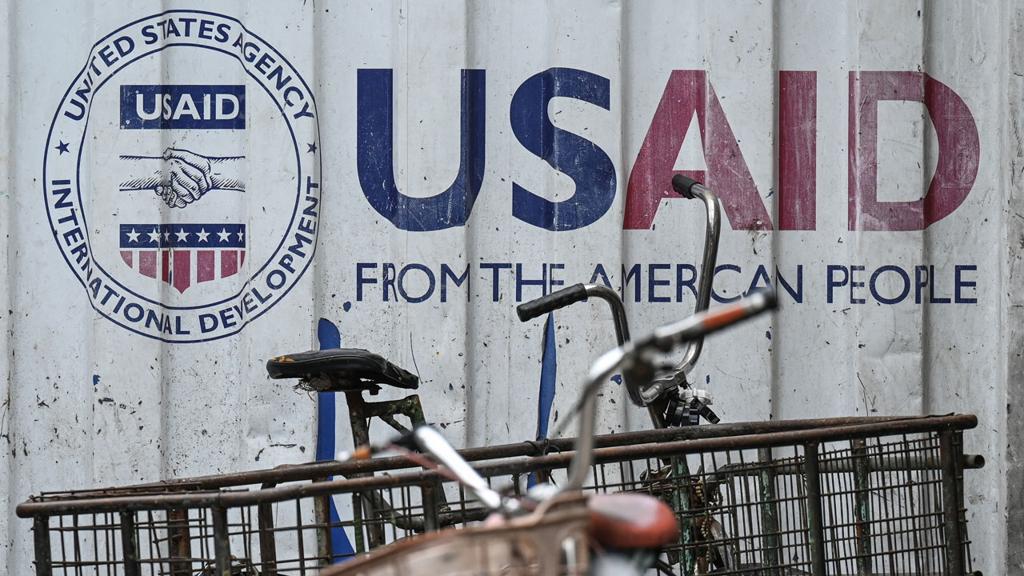
The abrupt shutdown of U.S. Agency for International Development (USAID) programs in Nepal has left approximately 100 LGBTQ+ aid workers without jobs, with many reportedly turning to sex work to survive, according to an Associated Press report and corroborating accounts from local sources.
Explainer Transgender Rights and Policies: A Comprehensive Overview of Ongoing Debates
The end of these programs has reignited debate over the role of American taxpayer-funded foreign aid, with critics questioning whether such initiatives align with U.S. interests and supporters warning of humanitarian fallout.
Background: USAID’s Mission and Programs in Nepal
USAID, established by executive order in 1961, was originally intended to help developing nations build self-sustaining economies and foster positive relations with the United States. Over the decades, the agency expanded its focus to include a wide range of development and humanitarian initiatives. In recent years, some USAID programs in Nepal concentrated on providing employment and health services to marginalized groups, particularly the LGBTQ+ community. These efforts included distributing condoms and HIV prevention medication to transgender and LGBTQ+ individuals, as well as offering job opportunities within aid organizations.
The AP reported that after the funding cuts, "starving and scared, [Rubi] Lama and around 100 other LGBTQ+ aid workers left jobless by the funding cuts have turned to sex work to survive, walking the streets alongside the very people they once fought so hard to help."
"Starving and scared, [Rubi] Lama and around 100 other LGBTQ+ aid workers left jobless by the funding cuts have turned to sex work to survive, walking the streets alongside the very people they once fought so hard to help."
— Associated Press report
The impact has been described as "particularly crushing" in Nepal, where a conservative culture leaves openly transgender people with few legal job options. The now-shuttered USAID offices, once used for distributing health supplies, remain empty, with unused laptops and condom containers gathering dust. The sudden loss of employment has left many former aid workers in a precarious position, with limited alternatives for earning a living.
The Broader Rollback of USAID Activities
The closure was part of a broader rollback of USAID activities following a stop-work order and subsequent dissolution of the agency under the Trump administration. This move led to the largest withdrawal of American international development aid in decades, according to Grist. While some media outlets and advocacy groups have linked the cuts to increased hunger and violence in affected regions, critics argue that the programs had become "little more than thinly disguised patronage" and question why U.S. taxpayers should fund jobs for transgender foreigners.
A 2026 AP report highlighted that the end of USAID in Nepal forced many former aid workers into prostitution, underscoring the lack of alternative employment for LGBTQ+ individuals in the country. The AP also noted that the program's closure left behind unused resources and disrupted ongoing health initiatives, including the distribution of HIV prevention medication and condoms.
Debate Over U.S. Foreign Aid Priorities
Supporters of the cuts, including some U.S. commentators, contend that USAID's cultural programs have failed to achieve their stated goals and may even foster resentment toward the United States. Giorgi Labadze, an American studies professor at Tbilisi State University in Georgia, argued that aggressive promotion of inclusivity for non-traditional groups by USAID had become a flashpoint for controversy in his country, rather than building goodwill. This sentiment is echoed by other critics who believe that such programs may not always align with the interests or values of local populations, potentially undermining the intended diplomatic benefits of foreign aid.
However, advocates for international aid warn that the sudden withdrawal of support can have severe consequences. A study cited by Grist suggested a possible link between the USAID shutdown and increased violent conflict in parts of Africa, though outside experts cautioned that the findings are preliminary and may not capture the full picture. The AP and other outlets have reported that in Nepal, the loss of USAID jobs has left vulnerable populations with few options for survival, particularly among LGBTQ+ individuals who already face significant social and economic barriers.
Long-Term Impact and Ongoing Uncertainty
USAID's original mission, as outlined in a 1961 presidential message, was to help nations become self-sustaining and less dependent on outside assistance. Critics of the recent programs argue that decades of continued aid have instead created "permanent international welfare dependency." They suggest that the reliance on foreign-funded jobs and services may have hindered the development of local solutions and self-sufficiency.
U.S. officials and supporters of the aid programs have not publicly addressed the specific criticisms raised about the Nepal program or the broader impact of the agency's closure. The lack of official response has left many questions unanswered regarding the future of similar initiatives and the fate of those affected by the cuts.
The fate of the unemployed aid workers in Nepal remains uncertain, as local organizations and international observers monitor the situation for further developments. The closure of USAID programs has not only affected the livelihoods of LGBTQ+ aid workers but has also disrupted health services and support systems for marginalized communities. As the debate over U.S. foreign aid priorities continues, the situation in Nepal serves as a case study in the complex balance between humanitarian assistance, diplomatic interests, and fiscal responsibility.