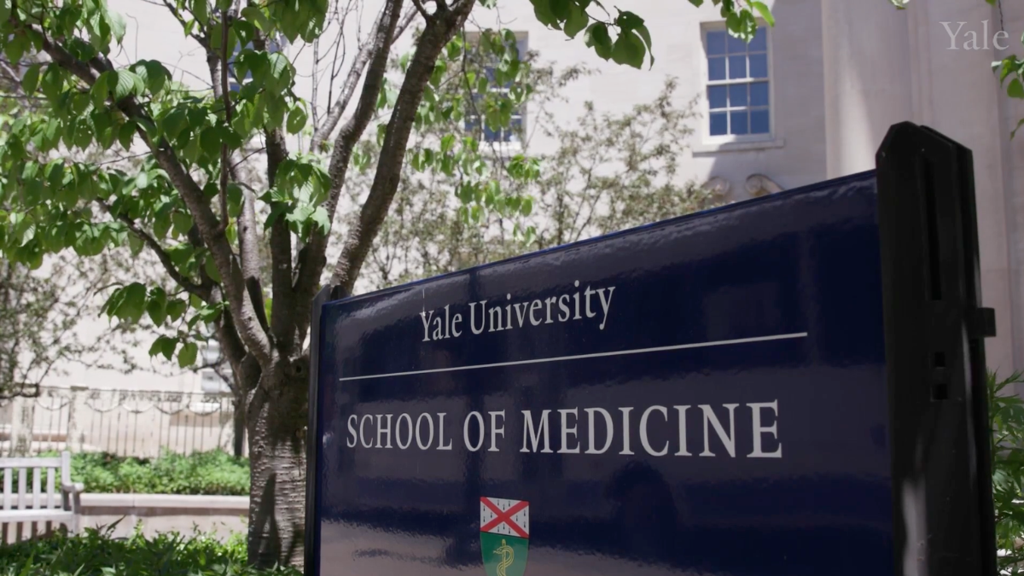
The Department of Justice (DOJ) has accused Yale School of Medicine of racial discrimination in its admissions process. The DOJ claims that the institution continues to favor Black and Hispanic applicants over white and Asian candidates who possess similar academic qualifications. In a letter sent to Yale on May 14, the DOJ asserted that the school’s admissions practices violate civil rights laws by using race as a criterion for acceptance.
This development highlights a significant tension in the ongoing debate over affirmative action and admissions policies at elite institutions. Critics argue that such practices undermine meritocracy, while supporters maintain that they are necessary for fostering diversity within the student body.
According to the DOJ's findings, Black and Hispanic applicants were significantly more likely to be admitted than their white and Asian counterparts who had equivalent Medical College Admission Test (MCAT) scores and grade point averages. The letter noted that a Black applicant had up to 29 times higher odds of receiving an interview compared to an equally qualified Asian applicant. This disparity, the DOJ contends, cannot be attributed to chance alone, suggesting systemic issues within the admissions framework.
Background and Reactions
The DOJ's letter comes at a time when Yale was celebrating its 325th commencement, drawing attention to its admissions practices. The department's investigation revealed that Yale employs a “holistic metrics model” developed by the Association of American Medical Colleges, which includes race and national origin as factors in admissions decisions. This approach contradicts the Supreme Court's ruling in the Students for Fair Admissions case, which prohibits the use of race in admissions processes.
Yale has maintained that it needs to consider race to achieve a diverse student body. However, the DOJ pointed out that the school's admissions statistics have not changed since the Supreme Court's decision, suggesting a failure to comply with the ruling. The DOJ noted, "Given this statement, the lack of any change in Yale’s admissions outcomes after Harvard is evidence of a willful failure to comply with that decision."
Responses to the Allegations
In response to the DOJ's findings, some defenders of Yale argue that all admitted students are highly qualified, suggesting that race can be a legitimate tie-breaker among equally qualified candidates. Radiologist Jeff Anderson commented on social media, stating, "Every last one of these are overly qualified I assure you. There’s just simply not enough seats available for all qualified applicants."
However, legal experts emphasize that the law does not permit race to be used as a criterion in admissions, regardless of the qualifications of the applicants. Yale is not required to admit only the highest-scoring students but must adhere to legal standards that prohibit racial discrimination in its admissions processes.
Prominent surgeon Terry Simpson also weighed in on the matter, arguing that admissions should consider the challenges applicants have overcome. He stated, "If you have 100 applicants from privileged, high-performing educational pipelines with nearly identical scores, it is not irrational to also value the applicant who achieved similar academic success despite poverty, instability, or lack of institutional advantages."
Yet, critics assert that such arguments risk perpetuating stereotypes by assuming that all Black and Hispanic applicants face disadvantages solely based on their race. This perspective raises questions about the validity of using race as a proxy for disadvantage in admissions decisions, as it may overlook the individual circumstances of applicants.
The Legal Implications
The DOJ's findings could have significant implications for Yale and other institutions that employ similar admissions practices. If Yale is found to be in violation of civil rights laws, it may face legal challenges and pressure to reform its admissions policies. The ongoing scrutiny reflects broader national conversations about race, equity, and access in higher education, which are increasingly relevant in today's society.
As the debate continues, Yale has not publicly responded to the DOJ's letter or the criticisms surrounding its admissions practices. The university's silence leaves questions about how it plans to address the allegations and whether it will modify its approach to admissions in light of the DOJ's findings.
The situation at Yale underscores the complexities of balancing diversity and merit in college admissions, a challenge that many institutions across the country are grappling with as they navigate evolving legal and social landscapes. The outcome of this situation may set precedents for how admissions policies are structured in the future, impacting not only Yale but potentially other elite institutions as well.