The U.S. Supreme Court heard oral arguments on Wednesday regarding the use of race in redistricting, specifically in the cases of Louisiana v. Callais and Robinson v. Callais. The discussions raised significant questions about whether states can intentionally discriminate based on race when creating congressional maps.
The cases stem from a previous lawsuit where plaintiffs argued that Louisiana's prior congressional map violated Section 2 of the Voting Rights Act by diluting minority votes. In response, the Louisiana Legislature drafted a new map last year that included a second majority-black district. However, plaintiffs in Louisiana v. Callais contend that this new map violates the 14th Amendment's equal protection clause by prioritizing race in its creation.
"Not in those words. Not for a court to intentionally discriminate, but I think it depends. There may be a circumstance where the only possible remedy is the limited use of race."
— Janai Nelson, NAACP Legal Defense Fund
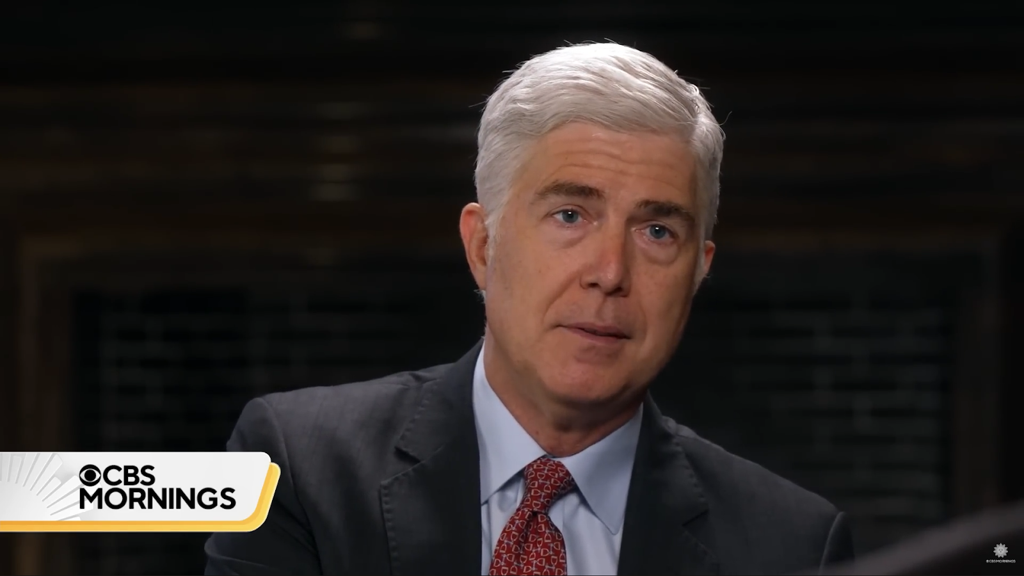
During the oral arguments, Associate Justice Neil Gorsuch questioned Janai Nelson, a lawyer for the NAACP Legal Defense Fund, about the appropriateness of using race as a predominant factor in remedial maps. Gorsuch asked whether it is acceptable for a federal court to intentionally discriminate based on race when addressing a Section 2 violation.
Nelson responded, "Not in those words. Not for a court to intentionally discriminate, but I think it depends. There may be a circumstance where the only possible remedy is the limited use of race." (Constitution Congress) She emphasized that any use of race must be constrained by strict scrutiny and must not motivate the line-drawer excessively.
Gorsuch pressed further, suggesting that some argue a compelling interest exists to discriminate on the basis of race once a Section 2 violation is established. He sought clarification on whether Nelson endorses this view. Nelson replied, "I don’t endorse the concept of discriminating on the basis of race. If discrimination has been established under Section 2... then Section 2 and this court’s precedent supports that." (Constitution Congress)
The conversation highlighted a complex legal landscape where the boundaries of race-based redistricting are still being defined. Critics argue that any form of racial discrimination, even if intended to remedy past injustices, undermines the principles of equal protection under the law. Supporters of the new map assert that it is necessary to ensure fair representation for minority groups.
Justice Brett Kavanaugh also sought clarity from Nelson, asking if federal district courts can intentionally use race in redistricting. Nelson acknowledged that while there are often alternatives that do not require race, there may be instances where it is necessary.
The Supreme Court was originally scheduled to issue a verdict during its 2024-2025 term but announced a rehearing of arguments this fall. The justices have instructed parties to address whether Louisiana's intentional creation of a second majority-minority congressional district violates the Fourteenth or Fifteenth Amendments to the U.S. Constitution.
As the court deliberates, the implications of its decision could have significant effects on how states approach redistricting and the use of race in electoral maps. The outcome may redefine the legal standards surrounding racial considerations in the political process, influencing future cases across the country.