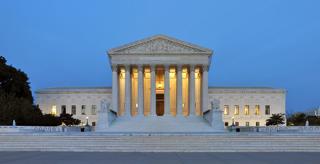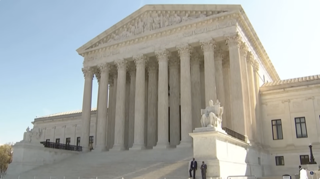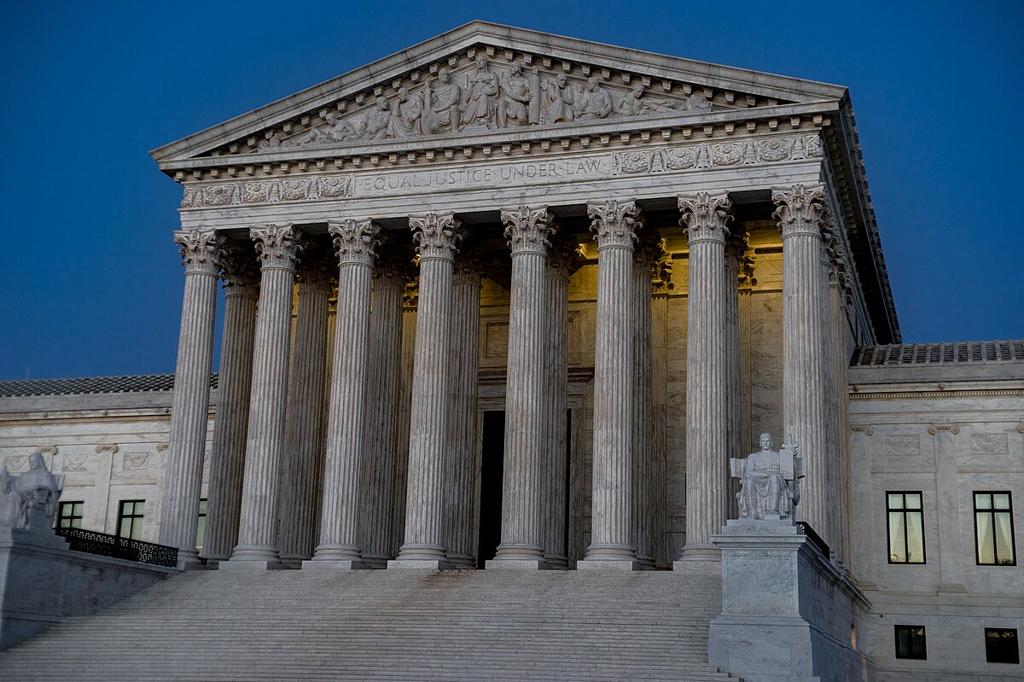
The U.S. Supreme Court is set to hear arguments on race-based redistricting in two significant cases, Louisiana v. Callais and Robinson v. Callais, on Wednesday. The outcome could reshape how states approach congressional map drawing and the use of race in the process.
The cases stem from a dispute that began in spring 2022 when the Louisiana Legislature created a congressional map that included only one black-majority district. This decision prompted a lawsuit from several plaintiffs, represented by organizations including the ACLU, who argued that the map diluted black voting strength, violating Section 2 of the Voting Rights Act of 1965.
"We believe these cases are good vehicles for the Supreme Court to address some of these issues that have been percolating for a very long time."
— Liz Murrill, Louisiana Attorney General
In response to an injunction that blocked the map's implementation, Louisiana redrew its congressional map to include a second black-majority district. This led to further litigation from a different group of plaintiffs, who contended that the state had unlawfully prioritized race in its redistricting efforts, thus violating the 14th Amendment's equal protection clause. A three-judge panel agreed, blocking the new map as well.
Louisiana Attorney General Liz Murrill emphasized the importance of these cases, stating, "We believe these cases are good vehicles for the Supreme Court to address some of these issues that have been percolating for a very long time." (U.S. DOJ)
The Supreme Court initially agreed to review the case but announced a rehearing for this fall. The justices have requested the parties to address whether the intentional creation of a second majority-minority congressional district violates the Fourteenth or Fifteenth Amendments.
Murrill criticized what she described as the weaponization of the judicial system by left-leaning groups, claiming they strategically choose favorable venues to challenge redistricting maps. She stated, "These Democrat-aligned activists can pick their venue — kind of hand-choose their federal district court judge in some cases — and bring the case strictly under Section 2." (U.S. DOJ)
The ongoing legal battles highlight a longstanding tension between the Voting Rights Act and the Constitution's equal protection clause. Murrill pointed to the Supreme Court's 1993 Shaw v. Reno decision, which ruled that race cannot be the predominant factor in redistricting. She argued that the evolving jurisprudence surrounding these issues has created confusion for state legislatures tasked with drawing maps.
In its brief to the Supreme Court, Louisiana argued that the consideration of race in redistricting is unconstitutional, asserting that the 14th Amendment commands that the government may not use race as a stereotype. The state’s brief stated, "Louisiana wants out of this abhorrent system of racial discrimination." (U.S. DOJ)
Should the Supreme Court rule against race-based redistricting, Murrill believes it could significantly diminish the ability of activists to pursue cases that compel states to create majority-minority districts. She noted, "If there were a constitutional challenge, it’s a three-judge court, and so that helps guard against judge shopping." (U.S. DOJ)
Oral arguments in Louisiana v. Callais and Robinson v. Callais are scheduled for 10 a.m. ET on Wednesday, with a final decision expected later in the Supreme Court’s 2025-2026 term. The outcomes of these cases could have profound implications for how states navigate the intersection of race and representation in the electoral process.