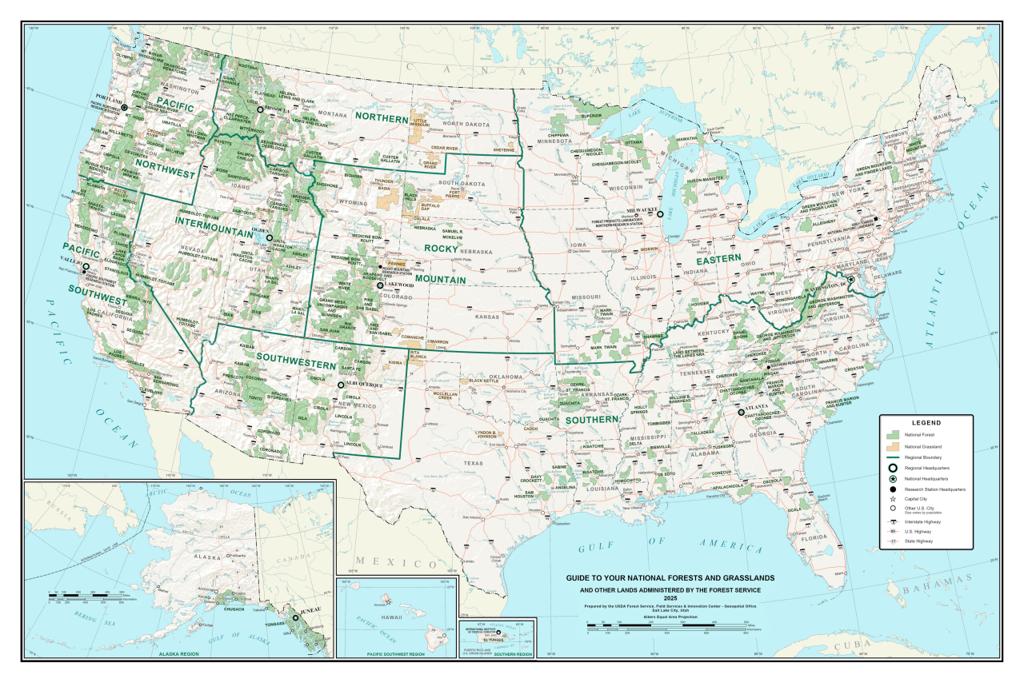
The U.S. Forest Service is currently undergoing a significant reorganization, which includes relocating its national headquarters from Washington, D.C., to Utah. This strategic move aims to bring management closer to the public lands that the agency oversees, according to officials within the agency. However, critics have raised concerns about the implications of this restructuring, particularly as wildfire season approaches, which is a critical time for forest management and public safety.
The core tension lies in the conflicting narratives surrounding the reorganization. While some media outlets describe it as a "gutting" of the agency, supporters argue that it is a necessary adjustment aimed at improving forest management practices. The National Association of State Foresters (NASF) has expressed cautious optimism about the changes, stating, "The NASF supports the transition to a state-based organizational model that continues to serve all lands." This statement reflects a belief that localized management could enhance the effectiveness of forest services across various states.
Colorado Governor Jared Polis has also voiced support for the initiative, emphasizing the importance of the U.S. Forest Service having a presence in Colorado. He noted, "It only makes sense that the U.S. Forest Service would include a location in our great state," highlighting the significance of Colorado's outdoor spaces and its research institutions in the context of forest management. This local support underscores the potential benefits of the reorganization for states with significant forested areas.
Media Criticism
Despite these endorsements, some media reports, including a notable piece from The New Yorker, have characterized the reorganization as a detrimental reduction in the agency's capabilities. The article claims that the Forest Service is being "gutted" just before wildfire season, raising alarms about potential risks to public safety and forest health. However, critics of this narrative argue that the article fails to provide quantitative evidence to support its claims, such as budget reductions or staffing cuts that would substantiate the assertion of a weakened agency.
In response to the media's portrayal, Chris Bray, a senior correspondent at The Federalist, stated, "The Forest Service isn’t being ‘gutted.’ It’s being reorganized." He emphasized that the agency's budget for wildfire management is actually increasing, with allocations set to rise from $6.35 billion in FY 2024 to $6.7 billion in FY 2026. This increase in funding is intended to bolster the agency's capacity to manage wildfires effectively, countering the narrative that the reorganization is detrimental.
Budget and Staffing
The reorganization comes amid a broader context of increasing federal funding for wildfire management. The Forest Service has noted improvements in firefighter salaries, which had previously stagnated, making it difficult to fill federal wildfire positions. This increase in funding is seen as a positive step toward enhancing the agency's capacity to manage wildfires effectively, especially as climate change continues to pose challenges to forest health and fire management.
While the reorganization is still in its early stages, the Forest Service has not yet responded to specific claims made by critics regarding the potential risks associated with the changes. The agency's decision to move its headquarters is part of a larger strategy to adapt to the challenges posed by climate change and the increasing threats of wildfires, which have become more frequent and severe in recent years.
Looking Ahead
As the Forest Service implements its reorganization, the debate over its implications will likely continue. Supporters argue that the changes will lead to more effective management of public lands, while critics remain concerned about the potential risks associated with the restructuring. The effectiveness of this reorganization will be closely monitored by both supporters and critics alike, particularly as the wildfire season approaches.
The Forest Service has indicated that it will provide updates on the reorganization as it progresses. Stakeholders, including local communities, state officials, and environmental organizations, are encouraged to engage in discussions about the future of forest management in the United States. As the agency navigates this transition, the outcomes of the reorganization will play a crucial role in shaping the future of forest management and wildfire response efforts across the nation.