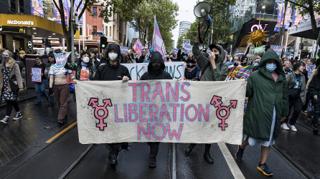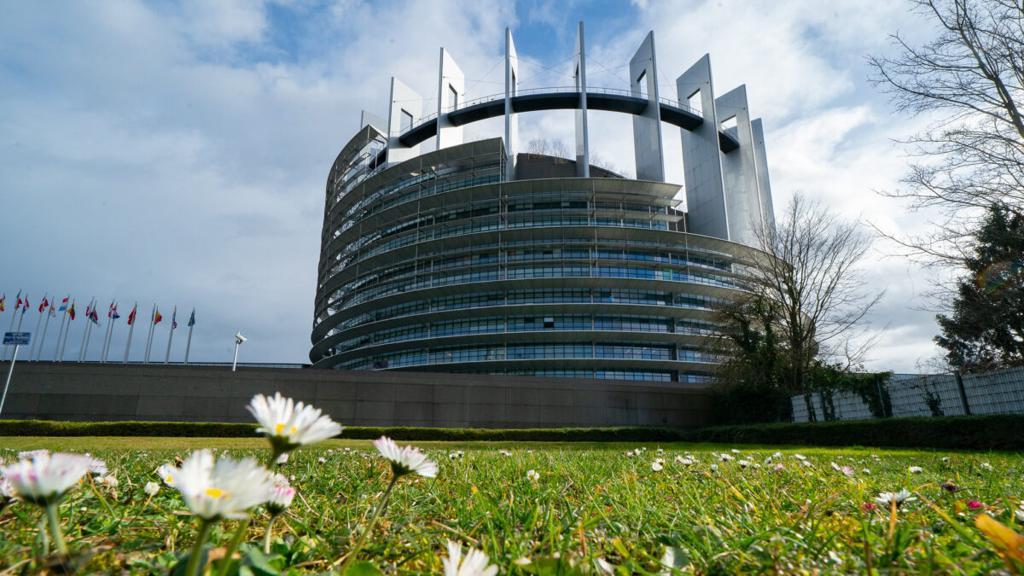
The European Parliament voted 340 to 141 last Thursday to approve a resolution affirming the full recognition of trans women as women. This significant vote, which also saw 68 members abstaining, has sparked considerable debate over the implications of gender identity and its effects on women's rights within the European Union. The resolution reflects a growing trend toward inclusivity but raises critical questions about the definitions of gender and biological sex.
Explainer Navigating Virginia's Electoral Landscape: Key Issues and Reforms
EU Parliament Approves Resolution Recognizing Trans Women as Women
Critics of the resolution argue that it undermines the rights and identities of biological women. They contend that recognizing trans women as women could dilute the unique experiences and rights that are specific to biological women. Supporters of the resolution, on the other hand, assert that it is a necessary step toward inclusivity and equality for all individuals, regardless of their gender identity. They believe that this recognition is essential for promoting equality and protecting the rights of all individuals.
Background and Reactions
The resolution is part of the EU's priorities for the upcoming 70th session of the United Nations Commission on the Status of Women, which will focus on women's rights and gender equality. However, the vote also included a controversial rejection of an amendment that would have recognized only biological women as capable of becoming pregnant. This amendment was dismissed by 233 parliamentarians, while 200 members supported the notion that only women can become pregnant. The rejection of this amendment has been a focal point of criticism, as it highlights the ongoing debate about the definitions of gender and the implications for women's rights.
German MEP Tomasz Froelich criticized the outcome, describing it as "a madhouse" and emphasizing the confusion surrounding the definitions of gender. He pointed out that the rejection of the amendment signifies a broader trend of redefining biological realities in legislative language. This sentiment is echoed by critics who argue that such changes could have far-reaching consequences for women's rights and societal norms.
Kara Dansky, an author and advocate for women's rights, has described the trans ideology as a "made-up concept" that undermines the rights and identities of biological women. Dansky asserts that this ideology represents a form of left-wing misogyny that objectifies women and erases their status as a distinct class. Critics like Dansky argue that the resolution fails to acknowledge the unique challenges faced by biological women and could lead to further marginalization of their experiences.
Supporters of the resolution maintain that recognizing trans women as women does not negate the experiences of biological women but rather expands the definition of womanhood to be more inclusive. They argue that this broader definition is essential for fostering an environment where all individuals can feel recognized and valued, regardless of their gender identity.
The implications of this vote extend beyond the European Parliament, as language adopted in such resolutions often influences national policies and societal norms. Investigative reporter Gerald Posner noted that legislative language can migrate from guidance to funding priorities, potentially shaping future regulations and policies on gender identity and women's rights.
While the resolution is not legally binding, it reflects a significant shift in the EU's approach to gender identity and women's rights. The ongoing debate highlights the tensions between traditional definitions of gender and evolving perspectives on identity and inclusivity. As the EU prepares for discussions at the UN, the resolution is likely to influence conversations about gender equality and women's rights on a global scale.
The differing perspectives on this issue underscore the complexities of balancing inclusivity with the recognition of biological realities. The European Parliament's decision has drawn both support and criticism, illustrating the contentious nature of gender identity discussions in contemporary society. As the debate continues, the implications for women's rights and gender definitions remain a focal point for policymakers and advocates alike, emphasizing the need for ongoing dialogue and understanding in this evolving landscape.