Virginia Democrats are facing criticism for proposed legislation that would significantly expand the state's sales and use tax, impacting a range of everyday services. Critics argue that these measures contradict the party's campaign promises centered on affordability, which played a crucial role in their recent electoral victories.
Explainer Navigating Virginia's Electoral Landscape: Key Issues and Reforms
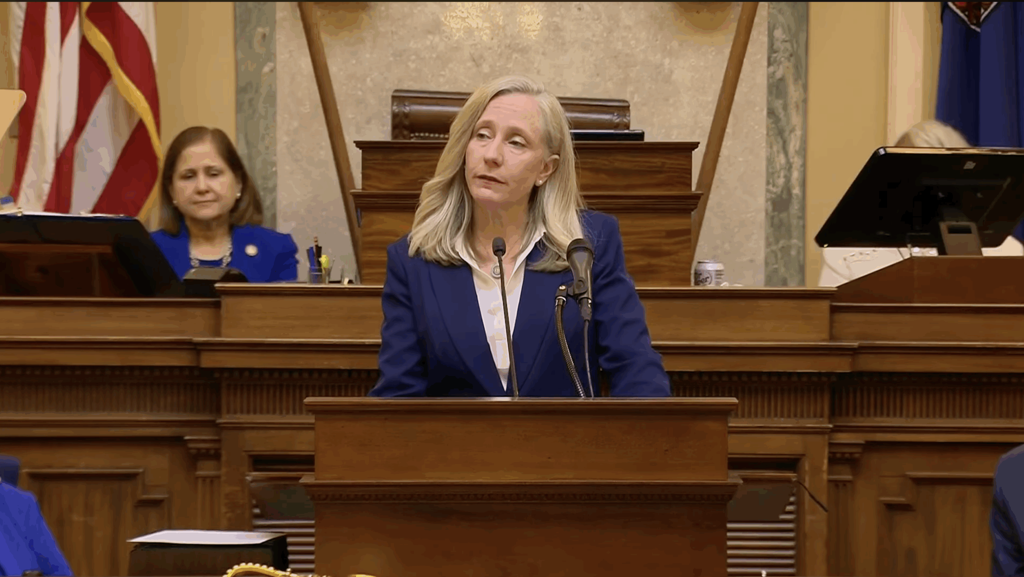
The tension arises from the stark contrast between the Democrats' campaign messaging and their subsequent policy proposals, which many Virginians fear will increase their cost of living. Abigail Spanberger, a Democrat who won the governor's race, emphasized economic issues during her campaign, but the new tax proposals have raised concerns among constituents.
In the wake of the November elections, Virginia Democrats introduced House Bill 978, which would apply sales taxes to services such as gym memberships, dry cleaning, pet care, and home repairs. This broad expansion of taxation is seen by critics as a move that could burden everyday Virginians. A post-election poll indicated that voters prioritized economic issues, with Spanberger winning over her Republican opponent by more than 20 points among those concerned about the economy.
New Tax Proposals
The proposed tax increases are not limited to services. House Bill 900 would impose a retail delivery fee on services like Amazon and Uber Eats, further raising costs for consumers. Additionally, House Bill 881 seeks to regulate the use of gas-powered leaf blowers in densely populated areas, while simultaneously introducing a new tax classification for electric landscaping equipment, including lawn mowers and trimmers.
These legislative efforts have drawn sharp criticism from opponents who argue that they contradict the Democrats' campaign promises. "Democrats ran on 'affordability' and yet immediately set out to make daily life more expensive in nearly every way," said Brianna Lyman, an elections correspondent at The Federalist.
Supporters of the legislation argue that the revenue generated from these taxes is necessary for funding transit authorities and supporting high-need student populations in localities. However, the lack of a clear response from Spanberger or other Democratic leaders regarding the backlash has left many constituents feeling uneasy about the implications of these policies.
Environmental Initiatives
In addition to tax proposals, Spanberger announced that Virginia would rejoin the Regional Greenhouse Gas Initiative, which was previously abandoned by Republican Governor Glenn Youngkin. This initiative is expected to raise electricity taxes for Virginians, further complicating the affordability narrative.
Critics contend that these environmental measures, while aimed at addressing climate change, will add to the financial strain on residents. The Virginia Energy Efficiency Council has acknowledged that rejoining the initiative will lead to increased electricity costs, raising questions about the balance between environmental goals and economic realities.
Voter Sentiment
The recent developments in Virginia highlight a growing concern among voters regarding the authenticity of political promises. Many residents are questioning whether the Democratic leadership truly prioritizes affordability or if it was merely a campaign strategy. As the state grapples with these new tax proposals, the implications for future elections could be significant.
With the Democrats' commitment to affordability now under scrutiny, voters across the country may take note as they prepare for upcoming elections. The situation in Virginia serves as a reminder of the potential disconnect between campaign rhetoric and legislative action, prompting a reevaluation of what affordability truly means for constituents.
As the debate continues, it remains to be seen how these proposed taxes will impact Virginia's economy and the political landscape leading into the next election cycle. The response from Spanberger and her administration will be crucial in addressing the concerns raised by voters and ensuring that the promise of affordability is upheld.