The Attorney General’s Role in Upholding Justice and Election Integrity
Explore the Attorney General’s vital function as chief law enforcement officer, their oversight duties, and impact on federal elections and governance.
Additional reporting by Liam Walker, Oliver Brown
The Attorney General stands as one of the pivotal figures in the American system of justice and governance. As the nation's top legal officer and head of the Department of Justice (DOJ), this position commands profound influence over the enforcement of federal laws, shaping legal strategy, and guiding the government’s response to a spectrum of challenges from criminal justice to electoral integrity. Understanding the Attorney General’s responsibilities and the political dynamics underlying the role uncovers much about how law and order are maintained, especially in our era of heightened partisan debate and electoral scrutiny.
Created by the Judiciary Act of 1789, the office of Attorney General has evolved well beyond a mere legal advisor. It now encompasses leadership of a vast federal law enforcement bureaucracy, wielding significant authority over agencies such as the FBI, DEA, ATF, and U.S. Marshals Service. The Attorney General also advises the President and executive agencies, ensuring the federal government’s position aligns with statutory and constitutional requirements. This combination of legal insight and administrative power positions the Attorney General as a linchpin of national security, civil rights enforcement, and election law adherence.
Historical Foundations And Legal Authority
"The Attorney General wields unmatched power to safeguard law and election integrity, making the office crucial to preserving American justice."
The Attorney General’s office was instituted in the early days of the Republic to provide a singular legal voice from the federal government. Missed in earlier efforts to coordinate legal affairs across federal departments, this role was established to consolidate legal oversight and representation of the United States in courts. Today, authority flows primarily from Title 28 of the United States Code, which empowers the Attorney General to oversee the DOJ’s administration and to represent the federal government both in court and in legal matters concerning policy.
Practically, the Attorney General’s responsibilities span the oversight of numerous DOJ components, crafting legal interpretations that affect everything from criminal prosecutions to immigration enforcement, and protecting federal interests in lawsuits. This constitutional custodian, though appointed by the President and confirmed by the Senate, serves at the pleasure of the executive branch, reflecting the political and policy agenda of the administration. Yet, maintaining the rule of law demands a balance between political loyalty and independent legal judgment.
Lawmakers have periodically scrutinized the office for perceived partisan overreach or failure to effectively police justice, highlighting the delicate nature of this appointment. For example, recent debates following the dismissal of Attorney General Pam Bondi spotlight the political stakes involved. Conservative critics called for a more aggressive replacement to counteract perceived DOJ laxity (see Chip Roy’s call for aggressive action). Such instances underscore how the Attorney General’s actions resonate far beyond legal circles.
The Attorney General’s Role In Federal Law Enforcement
Integral to the Attorney General’s charge is the direct supervision of the nation’s premier law enforcement agencies. Through the DOJ, the Attorney General controls the FBI, the Drug Enforcement Administration, the Bureau of Alcohol, Tobacco, Firearms and Explosives, and others. These agencies conduct complex investigations, pursue prosecutions, and enforce laws critical to national security, crime prevention, and public safety. The national scale of this responsibility requires a strategic and politically savvy leader who can marshal resources while navigating competing priorities and legal constraints.
The Attorney General’s command over these bodies affects how laws are enforced on issues such as drug trafficking, terrorism, financial crimes, and civil rights protections. For conservative observers, a key concern remains the faithful enforcement of immigration laws and election integrity rules, which the Attorney General has the power to supervise rigorously. The Indiana Attorney General’s recent subpoena to Amazon and legal actions against local schools over allegations of migrant trafficking reflect state-level aggressive law enforcement stances that often interact with federal priorities (read about Indiana’s subpoena efforts).
These intersecting layers of enforcement underline the complexity facing the Attorney General, who must balance statewide and national interests, often amid political polarization. The power to prioritize or deprioritize certain types of investigations is substantive and regularly scrutinized by both supporters and critics concerned about justice administration consistency.
Legal Counsel To The Executive Branch And Election Law Enforcement
Beyond enforcement, the Attorney General shapes the federal government’s legal posture by issuing opinions that guide executive agencies on interpreting statutes and constitutional questions. This advisory capacity translates political priorities into actionable legal frameworks that direct policy execution across departments. For example, whether concerning immigration, voting rights, or civil liberties, the Attorney General’s legal guidance influences how executive departments and agencies operate day to day.
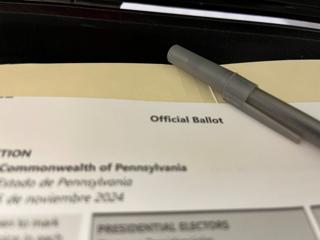
Importantly for election law, this office stands as a key arbiter in disputes over voting procedures, voter registration laws, and fraud investigations. How that authority is held varies sharply by state: our 50-state tracker of how each state selects its attorney general shows 43 elect the office directly, while five are appointed by the governor, one by the legislature, and one by the state supreme court — a difference that shapes how independent the office is from the politics it polices. Following concerns about election administration during the 2024 cycle, various states faced probes concerning mail-in ballots, voter roll accuracy, and registration fraud (Election canvassers were charged for fake registrations). The Attorney General’s office can support prosecutions, issue legal interpretations that shape election law enforcement, and collaborate with state attorneys general to uphold election integrity.
However, such involvement inevitably attracts political controversy. The high-profile 2025 Virginia Attorney General election highlighted the partisan battle over election administration and law enforcement philosophy (Jay Jones faced scrutiny), showing how Attorney General campaigns quickly become proxy fights over law enforcement priorities and political control of justice narratives. Conservatives often warn of lax enforcement leading to election vulnerabilities; meanwhile, progressives highlight protecting voter access, illustrating the permanent tension embedded in this role.
Political Considerations And The Importance Of Confirmations
Because the Attorney General serves at the President’s discretion, the office embodies the administration’s agenda but must also preserve sufficient independence to maintain the rule of law. The confirmation process through the Senate Judiciary Committee tests not only nominees’ qualifications but also their political reliability and ethics. Recent confirmations, such as the advancement of Todd Blanche for Attorney General by the Senate Judiciary Committee, reveal intense scrutiny over nominees' stances on law enforcement priorities and legal philosophy (details on the Senate Judiciary Committee’s actions).
Nominees must navigate a polarized political landscape, where opponents seize every statement or controversy to challenge their suitability. This phenomenon was evident in the competitive Virginia AG race, where Jay Jones’s controversial texts became campaign fodder despite Democratic backing (Democrats maintained support amid controversy). From a conservative vantage, these battles underscore the critical nature of choosing an Attorney General committed to vigorous enforcement and principled legal stewardship.
Political maneuvering around who occupies the Attorney General’s office speaks to wider debates over federalism, executive power, and the scope of law enforcement authority. Presidents rely on the AG to champion administration priorities, while Congress leverages confirmation hearings to ensure accountability. This push and pull inevitably shapes how law enforcement policies unfold nationwide.
Challenges In Voter Roll Maintenance And Fraud Prevention
One of the Attorney General’s increasingly vital responsibilities is addressing voter registration integrity. Issues such as noncitizen registrations, duplicate records, and fraudulent entries can compromise election legitimacy and public confidence. Some states have acknowledged difficulties in fully tracking improper registrations, as California revealed it does not maintain comprehensive lists of noncitizens removed from voter rolls (report on California’s tracking gaps).
This lack of transparency causes concern among conservatives pushing for strict adherence to voter eligibility rules and more frequent purge programs to protect lawful voters. The Attorney General’s role includes providing legal frameworks to states and sometimes intervening in cases where election laws have been violated. However, the approach to enforcement often reflects the ideological bent of the officeholder and the administration they serve.
Proactive election law enforcement by the Attorney General serves as a safeguard against attempts to manipulate election infrastructure, either through lax oversight or intentional misconduct. Consequently, the office remains a frontline player in ensuring our elections are conducted with integrity — a theme repeated in state and national political campaigns and enforcement disputes.
Ultimately, the Attorney General’s impact on elections encapsulates broader themes surrounding law enforcement’s role in protecting constitutional order without undermining citizen rights.
Upholding Justice Amid Political Pressures
The Attorney General is uniquely placed at the intersection of law, politics, and public trust. They must enforce federal statutes while upholding constitutional principles, often under intense political and media spotlight. The dismissal of AG Pam Bondi amid critiques of Department of Justice effectiveness reflected internal and external demands for stronger leadership and a firmer stance on prosecutorial priorities (coverage of Bondi’s dismissal).
Calls for an 'aggressive replacement' emphasize the conservative insistence on robust law enforcement, particularly regarding election and immigration enforcement (Chip Roy advocates for a stronger AG). Such demands reflect widespread concerns about federal agencies losing sight of their core responsibilities. Yet, balancing vigorous enforcement with fairness and due process remains an intricate challenge inherent in the AG’s office.
Conservatives emphasize the need for Attorney Generals who prioritize transparency, lawfulness, and national security over political expediency. Amid ongoing partisan battles over justice administration, the Attorney General’s role serves as a critical barometer for the health of American rule of law and democratic process.
Building Legal Foundations For Future Governance
As election laws evolve and legal interpretations adapt to new challenges — from voting technologies to federal-state conflicts — the Attorney General remains central to defining and defending these frameworks. This office’s legal opinions and enforcement policies set precedents that influence law enforcement long after particular administrations depart.
Insight into this role also clarifies the deeply political nature of justice in America. The Attorney General, while meant to be a disinterested arbiter, cannot escape political context entirely. However, the power of this office lies in its ability to enforce the law effectively while safeguarding democratic principles against abuses.
Whether confronting election integrity, federal prosecutions, or national security threats, the Attorney General shapes the nation’s legal landscape in often unseen but powerful ways. Our ongoing coverage of related developments — from judicial nominations to election prosecutions — highlights the indispensable nature of accountable and principled leadership in this pivotal post.
Frequently asked questions
What is the primary role of the Attorney General?
The Attorney General serves as the chief legal officer and top law enforcement official for the federal government, overseeing the Department of Justice.
How is the Attorney General appointed?
The President nominates the Attorney General, who must then be confirmed by the Senate and serves at the President’s discretion.
Which agencies does the Attorney General oversee?
The Attorney General oversees the FBI, DEA, ATF, U.S. Marshals, and numerous other DOJ components.
How does the Attorney General influence federal election laws?
Through legal opinions, enforcement priorities, and prosecutions, the Attorney General helps uphold election integrity and voter eligibility laws.
Can the Attorney General be dismissed before the end of a term?
Yes, since the Attorney General serves at the pleasure of the President, they can be dismissed at any time.
What is the significance of the Senate confirmation process?
Senate confirmation vets the nominee’s legal qualifications and political suitability, ensuring checks on potential abuses of power.
How does politics affect the Attorney General’s work?
Political pressures influence priorities and prosecutions, but the Attorney General is expected to uphold impartial justice.
Timeline of our coverage
- 2026-08-17 — California Says It Does Not Track Noncitizens Removed From Voter Rolls
- 2026-08-04 — Senate Judiciary Committee Advances Todd Blanche for Attorney General
- 2026-04-06 — Trump Considers Candidates for Attorney General Following Bondi's Departure
- 2026-04-03 — Trump Dismisses Attorney General Pam Bondi Amid Frustrations Over DOJ Performance
- 2026-04-02 — Chip Roy Calls for Aggressive Replacement for Attorney General After Bondi's Departure
- 2025-11-14 — Indiana Attorney General Subpoenas Amazon, Sues Indianapolis Schools Over Migrant Trafficking
- 2025-11-05 — Virginia Elects Democrat Jay Jones As Attorney General
- 2025-10-27 — Election Canvassers Charged For Fake 2024 Voter Registrations
- 2025-10-17 — Jay Jones Apologizes for Controversial Texts Amid Attorney General Campaign
- 2025-10-17 — Miyares Challenges Jones on Controversial Comments During Virginia AG Debate
- 2025-10-07 — Virginia AG Candidate Faces Allegations Over Violent Remarks
- 2025-10-07 — Virginia AG Candidate Jay Jones Faces Scrutiny Over Violent Texts
- 2025-10-06 — Democrats Maintain Support for Virginia Attorney General Candidate Amid Controversial Texts
The Bottom Line
- Ensures enforcement of federal laws essential to national security and public safety.
- Shapes the legal framework that governs election integrity and voter eligibility.
- Serves as the chief legal advisor to the President, influencing executive policy decisions.
- Oversees major federal law enforcement agencies impacting criminal justice nationwide.