TLT Explains
U.S. and Israel Launch Air Strikes Against Iran Amid Escalating Regional Tensions
What's happening
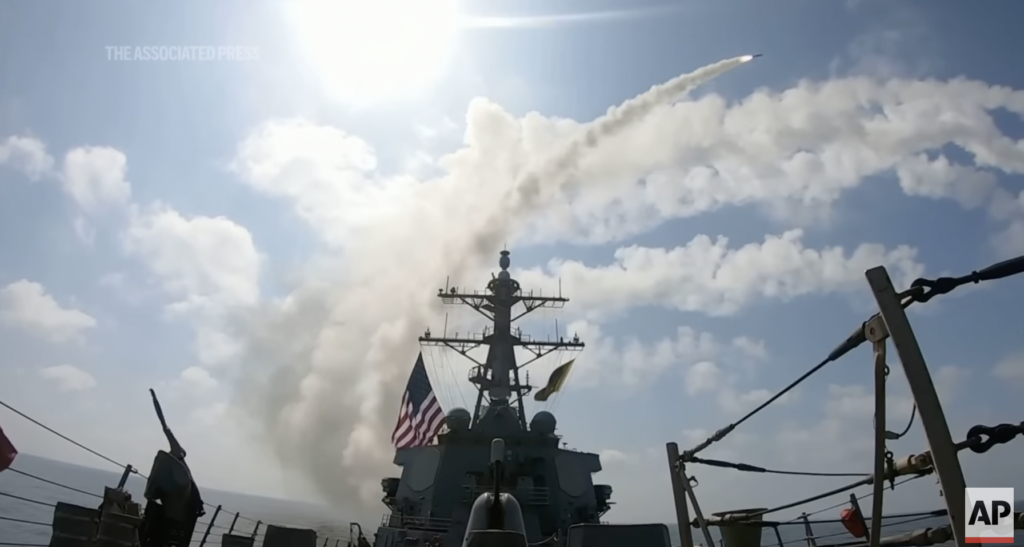
The United States and Israel have recently conducted coordinated air strikes against targets in Iran, marking a significant escalation in military activity in the Middle East. This joint operation represents a notable shift in the regional security landscape, as both countries seek to counter perceived threats from Iran's military and nuclear programs. The strikes come amid heightened tensions over Iran's expanding influence and its contested nuclear ambitions, which have long been a source of concern for Washington and its allies. These developments have sparked widespread debate about the potential consequences for regional stability and U.S. foreign policy priorities.
The background to this escalation involves a complex web of geopolitical factors. In recent months, the U.S. had been focused on other international challenges, including a controversial operation targeting Venezuelan leader Nicolás Maduro, which drew mixed reactions globally. However, the situation with Iran has always remained a top security concern due to Tehran's strategic position and its support for proxy groups across the Middle East. The air strikes against Iran represent a more direct and large-scale military engagement compared to previous actions, signaling a willingness by the U.S. and Israel to take more assertive steps to counter Iran’s activities.
Key actors in this unfolding conflict include the governments of the United States and Israel, both of which have expressed a desire to curb Iran's nuclear program and limit its regional influence. Israeli officials have long viewed Iran as an existential threat, particularly due to Tehran’s support for militant groups hostile to Israel. The Biden administration, while emphasizing diplomacy, has also maintained a firm stance on preventing Iran from acquiring nuclear weapons. Iran, for its part, has condemned the strikes, warning of severe repercussions and accusing the U.S. and Israel of aggression. This dynamic sets the stage for a potentially protracted conflict with significant risks of escalation.
The stakes of this military action are considerable, affecting not only the immediate parties involved but also neighboring countries and global powers with interests in the region. A direct confrontation with Iran risks destabilizing an already volatile area, potentially disrupting global energy markets and exacerbating sectarian divides. Civilians in Iran and surrounding countries could face increased hardship as military tensions rise. Additionally, the strikes raise questions about the long-term viability of diplomatic efforts to resolve disputes over Iran’s nuclear program, potentially undermining international agreements and cooperation.
What's at stake
Analysts and policymakers have expressed concern over the ambiguity surrounding the specific objectives of the air strikes. It remains unclear whether the primary goal is to halt Iran’s nuclear development, to degrade its military capabilities, or to send a broader strategic message. This lack of clarity complicates efforts to evaluate the success of the operation and to anticipate Iran’s response. Some experts warn that without a clear endgame, the strikes could lead to unintended consequences, including a wider regional conflict involving other Middle Eastern countries or increased attacks on U.S. and allied interests.
The role of the military-industrial complex also features prominently in discussions about these recent actions. Defense contractors and lobbying groups have significant influence on U.S. foreign policy, with expenditures exceeding $190 million last year alone. This raises questions about the motivations behind military interventions and whether economic interests may be shaping policy decisions. Public skepticism is heightened by concerns over transparency and the potential for misinformation, especially in an era where social media can rapidly spread conflicting narratives about military engagements.
Public reaction to the strikes has been mixed, with some viewing the actions as necessary to protect national security and regional allies, while others caution against entering a prolonged conflict with unpredictable outcomes. The Biden administration’s communication strategy and subsequent policy decisions will be critical in shaping public understanding and support. Trust in government messaging is essential, particularly given the complex nature of the conflict and the potential for misinformation to influence perceptions. The administration faces the challenge of balancing military action with diplomatic efforts to avoid further escalation.
Looking ahead, the coming weeks will be pivotal in determining the trajectory of U.S.-Iran relations and regional stability. Observers will closely monitor Iran’s military and diplomatic responses, as well as any shifts in alliances or proxy conflicts across the Middle East. The potential for negotiations or renewed diplomatic engagement remains uncertain but could emerge as a necessary path to de-escalate tensions. Meanwhile, the U.S. and Israel must weigh the risks of continued military operations against the benefits of diplomatic solutions, with the international community watching closely for signs of either escalation or resolution.
Why it matters
The unclear objectives of the strikes raise concerns about the potential for unintended escalation in the region. Public perception and trust in government communications will influence support for ongoing military actions. The involvement of defense contractors highlights possible economic influences on U.S. foreign policy decisions.
Regional stability is at risk as neighboring countries may react unpredictably to the military strikes. The strikes could undermine diplomatic efforts to control Iran’s nuclear program and reduce tensions.
Key facts & context
The United States and Israel conducted coordinated air strikes targeting Iranian military sites. These strikes represent a significant escalation in military action in the Middle East region. Iran’s nuclear ambitions and regional influence have been longstanding concerns for the U.S. and Israel.
Defense lobbying expenditures in the U.S. exceeded $190 million last year, reflecting the military-industrial complex’s influence. The Biden administration has emphasized both diplomatic and military approaches to address Iran’s activities. Recent U.S. focus included a controversial operation targeting Venezuelan leader Nicolás Maduro.
Public and expert opinions on the strikes are divided, with debates over the risks and benefits of military action. The ambiguity of the strikes’ objectives complicates assessments of their success and future implications. Iran has condemned the strikes and warned of serious consequences.
The situation has raised concerns about misinformation and the importance of transparent communication. Neighboring countries and global powers are closely monitoring the evolving conflict. The coming weeks will be critical in determining whether tensions escalate or diplomatic solutions emerge.
Timeline & key developments
2026-03-03: U.S. and Israel Launch Air Strikes Against Iran Amid Geopolitical Tensions. Additional reporting on this topic is available in our broader archive and will continue to shape this timeline as new developments emerge.
Primary sources
Further reading & references
- (Additional background links will appear here as we cover this topic.)
Related posts
- Trump's Peace Efforts Highlighted Amid Theological Reflection
- War Department Seeks to Reinstate 86 Soldiers Discharged Over COVID Vaccine Mandate
- Trump Is The Best Statesman Of Our Time Because He's A Realist
- Trump Blasts Media's Coverage Of Russia-Ukraine Negotiations
- Trump Admin Doesn't Need To Bring Regime Change To Venezuela
- Brennan Highlights Trump’s Role in Israel Peace Talks Amid Criticism of Biden