TLT Explains
Supreme Court Reviews Legality of Ending Temporary Protected Status for Syrian and Haitian Migrants
What's happening
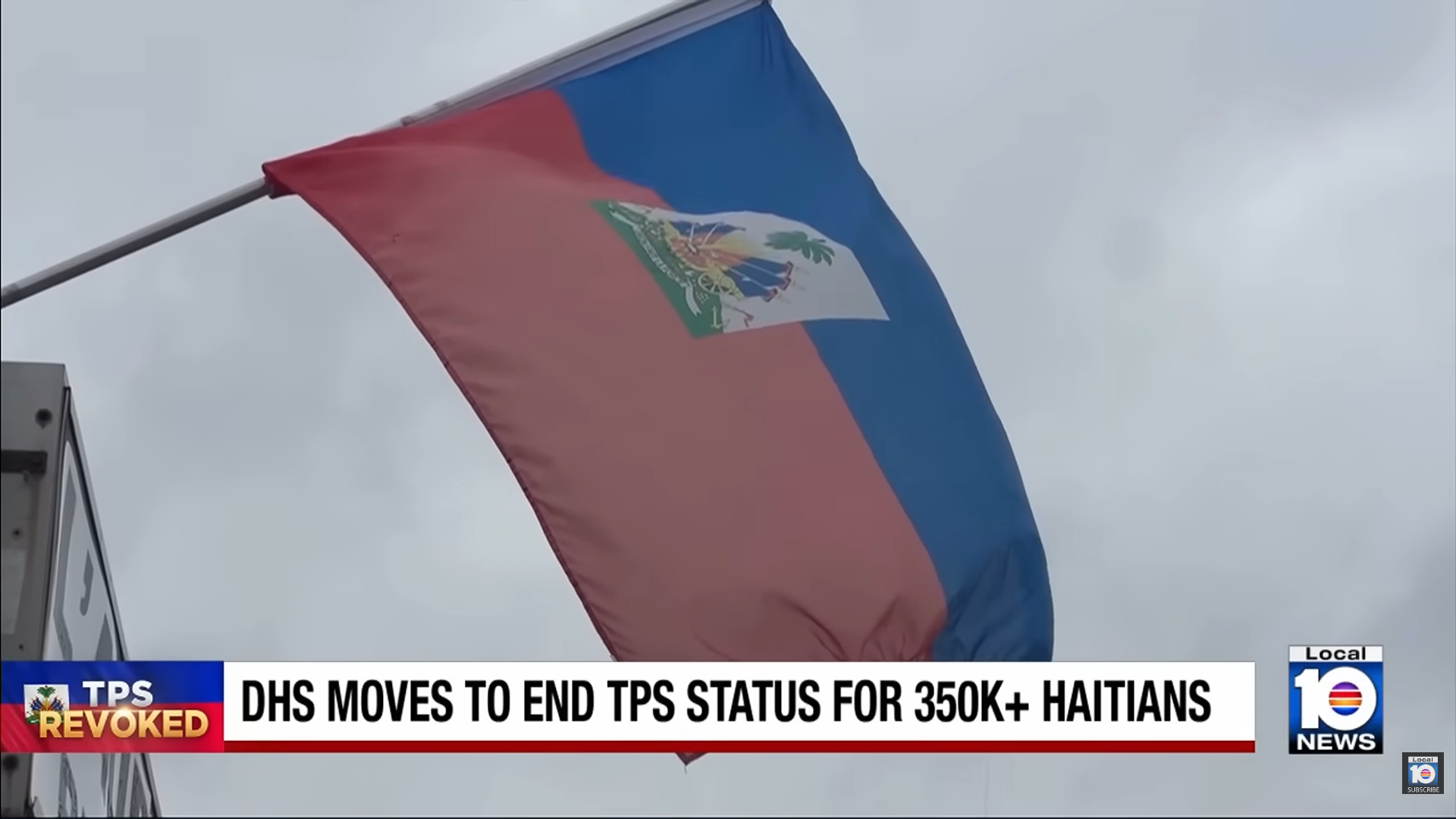
The U.S. Supreme Court is currently examining whether the federal government can legally revoke Temporary Protected Status (TPS) for hundreds of thousands of migrants, including approximately 356,000 individuals from Syria and Haiti. This issue came to the forefront during oral arguments held on Wednesday in two consolidated cases, Mullin v. Doe and Trump v. Miot. These cases directly challenge the Trump administration’s efforts to terminate TPS designations for these groups, raising questions about the executive branch’s authority and the rights of affected migrants.
Temporary Protected Status is a humanitarian program established under the Immigration and Nationality Act to provide temporary residency and work authorization to nationals from countries experiencing armed conflict, natural disasters, or other extraordinary conditions. The program is intended to shield individuals from deportation while their home countries remain unsafe. The Trump administration sought to end TPS for Syrian and Haitian nationals, arguing that conditions in those countries had improved enough to no longer warrant protection. However, lower courts blocked these attempts, citing concerns about the legality and motivations behind the administration’s decisions.
At the heart of the Supreme Court cases is the interpretation of the Immigration and Nationality Act, specifically whether the Department of Homeland Security’s (DHS) decisions to designate or terminate TPS are subject to judicial review. The government’s position, presented by U.S. Solicitor General John Sauer, is that the statute explicitly bars courts from reviewing the DHS secretary’s TPS decisions. Sauer argued that this provision grants the executive branch broad discretion to designate, extend, or terminate TPS without interference from the judiciary, emphasizing the need for swift executive action in response to changing international conditions.
Opposing counsel representing Syrian and Haitian nationals contended that the government’s actions were procedurally flawed and politically motivated. They argued that the administration failed to properly consult relevant officials and did not adequately assess the ongoing dangers in the migrants’ home countries. Additionally, some attorneys alleged that the termination decisions were influenced by racial bias, pointing to past statements by former President Trump about certain countries. These claims were met with skepticism by some justices, including Justice Samuel Alito, who questioned the racial motivation argument and the grouping of affected countries.
What's at stake
The justices’ questions revealed a divide on the court regarding the scope of judicial review and the balance of power between the executive branch and the courts. Liberal justices, such as Ketanji Brown Jackson and Sonia Sotomayor, expressed concern about potential discriminatory motives and emphasized the importance of judicial oversight to ensure fairness and legality. Conservative justices, including Clarence Thomas and Neil Gorsuch, appeared more inclined to uphold the executive’s discretion, probing challengers on their statutory interpretations and the implications of expanding judicial review.
The stakes in these cases are significant for the hundreds of thousands of migrants currently living in the United States under TPS. A ruling allowing the government to terminate TPS without judicial review could lead to the loss of protected status for many individuals, potentially resulting in deportations to countries still facing instability. Conversely, a decision affirming judicial oversight could reinforce legal protections for TPS holders and limit the executive branch’s unilateral authority in immigration matters.
This legal battle also reflects broader debates over immigration policy and executive power in the United States. Supporters of the administration’s position argue that the executive must have the flexibility to respond quickly to evolving conditions abroad, while critics stress the need for accountability and adherence to procedural safeguards. The outcome will influence not only the future of TPS but also the extent to which courts can check executive decisions on immigration.
A decision in Mullin v. Doe and Trump v. Miot is expected by late June or early July, marking the conclusion of the Supreme Court’s 2025-2026 term. Observers will be closely watching how the court navigates the complex interplay between statutory interpretation, executive authority, and migrant rights. The ruling will set a precedent for how TPS cases and potentially other immigration-related executive actions are handled in the future.
Looking ahead, the Supreme Court’s decision will shape the legal landscape for Temporary Protected Status and could prompt legislative or administrative responses depending on the outcome. If the court limits judicial review, migrants and advocacy groups may seek new avenues to protect vulnerable populations. Alternatively, a ruling favoring judicial oversight may encourage more rigorous procedural standards for TPS terminations. Stakeholders on all sides will be attentive to the court’s reasoning and the broader implications for U.S. immigration policy.
Why it matters
The Supreme Court’s ruling will determine the extent of executive power over Temporary Protected Status decisions. The decision affects the residency and legal status of hundreds of thousands of Syrian and Haitian nationals in the U.S. It raises questions about judicial oversight of immigration policies and protections.
The case highlights concerns about potential racial motivations behind immigration policy decisions. The outcome could influence future immigration enforcement and humanitarian protections.
Key facts & context
Temporary Protected Status provides temporary residency to nationals from countries experiencing extraordinary conditions. Approximately 356,000 individuals from Syria and Haiti currently hold TPS in the United States. The Trump administration attempted to terminate TPS for these groups, citing improved conditions in their home countries.
Lower courts blocked the termination efforts, leading to the Supreme Court review. The Supreme Court heard oral arguments on April 30, 2026, in the consolidated cases Mullin v. Doe and Trump v. Miot. U.S. Solicitor General John Sauer argued that the Immigration and Nationality Act prohibits judicial review of TPS termination decisions.
Opposing attorneys argued the administration failed to follow required procedures and alleged racial bias in the termination decisions. Justices expressed differing views on the scope of judicial review and the executive branch’s discretion. Justice Samuel Alito questioned the claim of racial motivation behind the TPS terminations.
A ruling is expected by late June or early July 2026, concluding the Supreme Court’s current term. The decision will have significant implications for the future of TPS and immigration policy enforcement. Supporters of the administration emphasize the need for executive flexibility, while critics call for accountability and legal safeguards.
Timeline & key developments
2026-04-30: Supreme Court Considers Future of Temporary Protected Status for Migrants. Additional reporting on this topic is available in our broader archive and will continue to shape this timeline as new developments emerge.
Primary sources
Further reading & references
- (Additional background links will appear here as we cover this topic.)
Related posts
- Congress Approves Three-Year Extension of Temporary Protected Status for Haitians Amid Debate
- Legal Battles Against Trump Administration Raise Questions About Supreme Court’s Role and Credibility
- Supreme Court Considers Challenge to Birthright Citizenship Under 14th Amendment
- Washington Post Article Draws Criticism for Linking Justice Barrett's Family to Immigration Case
- Supreme Court Considers Birthright Citizenship in Trump v. Barbara Case