TLT Explains
Rep. Eric Swalwell Suspends California Governor Campaign Amid Sexual Misconduct Allegations
What's happening
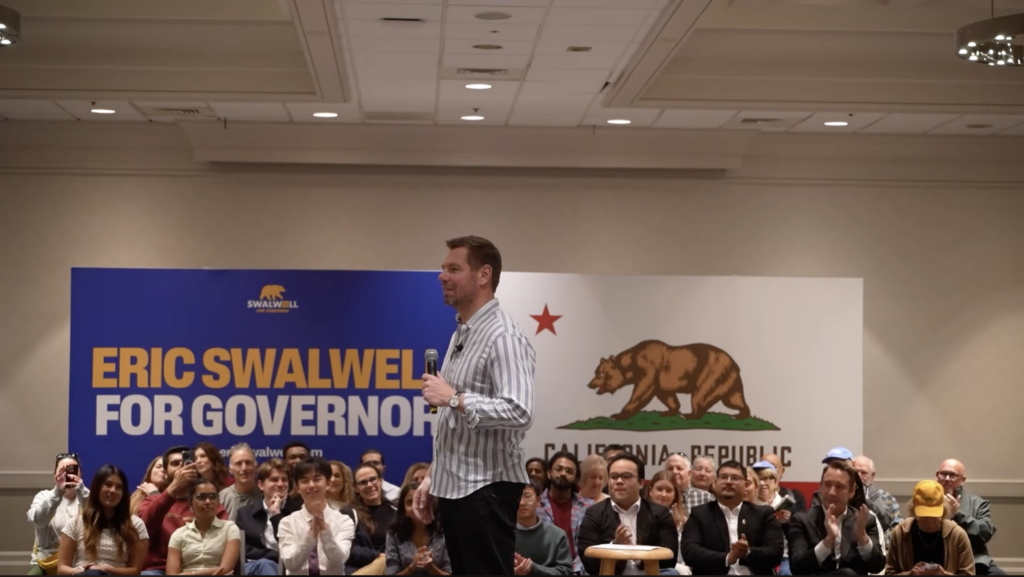
Rep. Eric Swalwell, a Democratic congressman from California, announced on Sunday that he is suspending his campaign for governor of California. This decision follows the emergence of serious sexual misconduct allegations made by a former staffer and several other women. Swalwell has denied all accusations, but the allegations have ignited widespread discussions about political accountability and the role of the media in covering such claims. The suspension marks a significant turning point in what had been a competitive gubernatorial race.
The allegations against Swalwell first gained public attention through a detailed report by the San Francisco Chronicle, which included claims from a former staffer accusing him of sexual assault. Subsequent coverage by CNN expanded on the story, with additional women coming forward with similar accusations. These revelations have raised questions about the timing of the disclosures and the extent to which political insiders and media outlets were aware of the allegations prior to their public release. The situation has prompted scrutiny of how misconduct claims are handled within political circles and the press.
Several senior staff members from Swalwell's gubernatorial campaign issued a statement condemning the alleged behavior as "abhorrent" and a betrayal of public trust. Meanwhile, political journalist Steve Tavares, who has covered Swalwell since his early days on the Dublin City Council, stated that knowledge of Swalwell's alleged misconduct had circulated among local officials and the Alameda County Democratic Party for over a decade. Tavares noted that previous attempts to report on these issues were hindered by the reluctance of alleged victims to come forward at the time, highlighting the challenges in exposing misconduct within political environments.
Bethany Allen, a reporter with the Australian Strategic Policy Institute, echoed Tavares' observations, noting that rumors about Swalwell's behavior have persisted in Washington, D.C., for years. Allen shared that she first heard such rumors in 2020 but was not positioned to investigate them thoroughly, instead passing the information to colleagues focused on political reporting. This longstanding awareness contrasts with the relatively recent public attention the allegations have received, raising questions about the media's role and responsibility in investigating and reporting on such claims.
What's at stake
Critics have pointed to a perceived double standard in media coverage, comparing the handling of allegations against Swalwell with the extensive reporting on accusations against Republican figures, such as during the confirmation hearings of Supreme Court Justice Brett Kavanaugh. Unverified claims against Kavanaugh received wide and immediate media attention, while similar allegations against Swalwell were not pursued with the same intensity. This disparity has fueled debates about potential political bias in media reporting and the broader implications for fairness and transparency in covering misconduct allegations.
The situation also revives discussions about political accountability and the culture of silence surrounding misconduct in government. A 2017 CNN report mentioned a California congressman identified by multiple sources for inappropriate behavior toward female staffers, though the name was withheld due to the unverified nature of the claims. Some speculate that Swalwell was among those referenced, underscoring the difficulty in holding public officials accountable amid incomplete or suppressed information. The current allegations and campaign suspension highlight the ongoing challenges in addressing misconduct allegations in politics.
Supporters of Swalwell have largely remained silent publicly in response to the allegations and the media coverage. This lack of immediate defense may reflect a strategic retreat as the story continues to unfold and attract public scrutiny. The suspension of his gubernatorial campaign effectively pauses Swalwell's political ambitions for the time being, but the broader consequences for his career and reputation remain uncertain. The case has also intensified calls for improved mechanisms to ensure transparency and accountability among elected officials.
As this story develops, it will be important to monitor how the allegations affect Swalwell's future in politics and the wider conversation about media ethics and political accountability. The scrutiny of media practices in this case may prompt reforms in how allegations of misconduct are investigated and reported, particularly when they involve public figures. Observers will also watch for any legal proceedings or further disclosures that could influence public opinion and political dynamics in California.
Looking ahead, key developments to watch include whether additional accusers come forward, how Swalwell and his political allies respond, and whether any formal investigations are launched. The timeline for these events is uncertain, but the suspension of the campaign signals a pause in Swalwell's political trajectory. The case underscores the ongoing challenges in balancing fair media coverage, protecting victims, and ensuring accountability in the political arena.
Why it matters
The allegations have led to the suspension of Swalwell's gubernatorial campaign, impacting California politics. Longstanding rumors about Swalwell's behavior raise questions about political and media accountability. Disparities in media coverage of misconduct allegations highlight concerns about potential political bias.
The case underscores the challenges victims face in coming forward against powerful public figures. The situation may prompt reforms in how media and political institutions handle misconduct claims. Swalwell's political future is uncertain as the allegations continue to attract public and media scrutiny.
The story contributes to broader discussions about transparency and ethics in political reporting.
Key facts & context
Eric Swalwell is a Democratic representative from California who was running for governor. He announced the suspension of his gubernatorial campaign on Sunday following misconduct allegations. The allegations include claims of sexual assault made by a former staffer and other women.
Swalwell has publicly denied all allegations against him. The San Francisco Chronicle first reported the allegations, followed by further coverage by CNN. Senior staffers from Swalwell's campaign condemned the alleged behavior as "abhorrent."
Political journalist Steve Tavares stated knowledge of the allegations circulated locally for over a decade. Bethany Allen noted rumors about Swalwell's behavior have existed in Washington, D.C., since at least 2020. Media coverage of Swalwell's allegations contrasts with the extensive reporting on accusations against Republican figures like Brett Kavanaugh.
A 2017 CNN report referenced a California congressman accused of inappropriate behavior but did not name him. Supporters of Swalwell have not publicly responded to the allegations or media coverage. The suspension of Swalwell's campaign marks a significant development in the 2026 California gubernatorial race.
Timeline & key developments
2026-04-13: Rep. Eric Swalwell Suspends Gubernatorial Bid Amid Misconduct Allegations. Additional reporting on this topic is available in our broader archive and will continue to shape this timeline as new developments emerge.
Primary sources
Further reading & references
- (Additional background links will appear here as we cover this topic.)
Related posts
- Eric Swalwell Suspends California Governor Bid Amid Sexual Misconduct Allegations and Investigation
- Eric Swalwell Faces Sexual Harassment Allegations During California Governor Campaign
- Swalwell Suspends Campaign Amid Sexual Assault Allegations
- California Democrats Hold Annual Convention Amid Criticism of State Policies
- Critics of Progressive Policies in California Express Discontent Amidst Political Stagnation