TLT Explains
Justice Ketanji Brown Jackson Faces Scrutiny Over Birthright Citizenship Argument in Supreme Court Case
What's happening
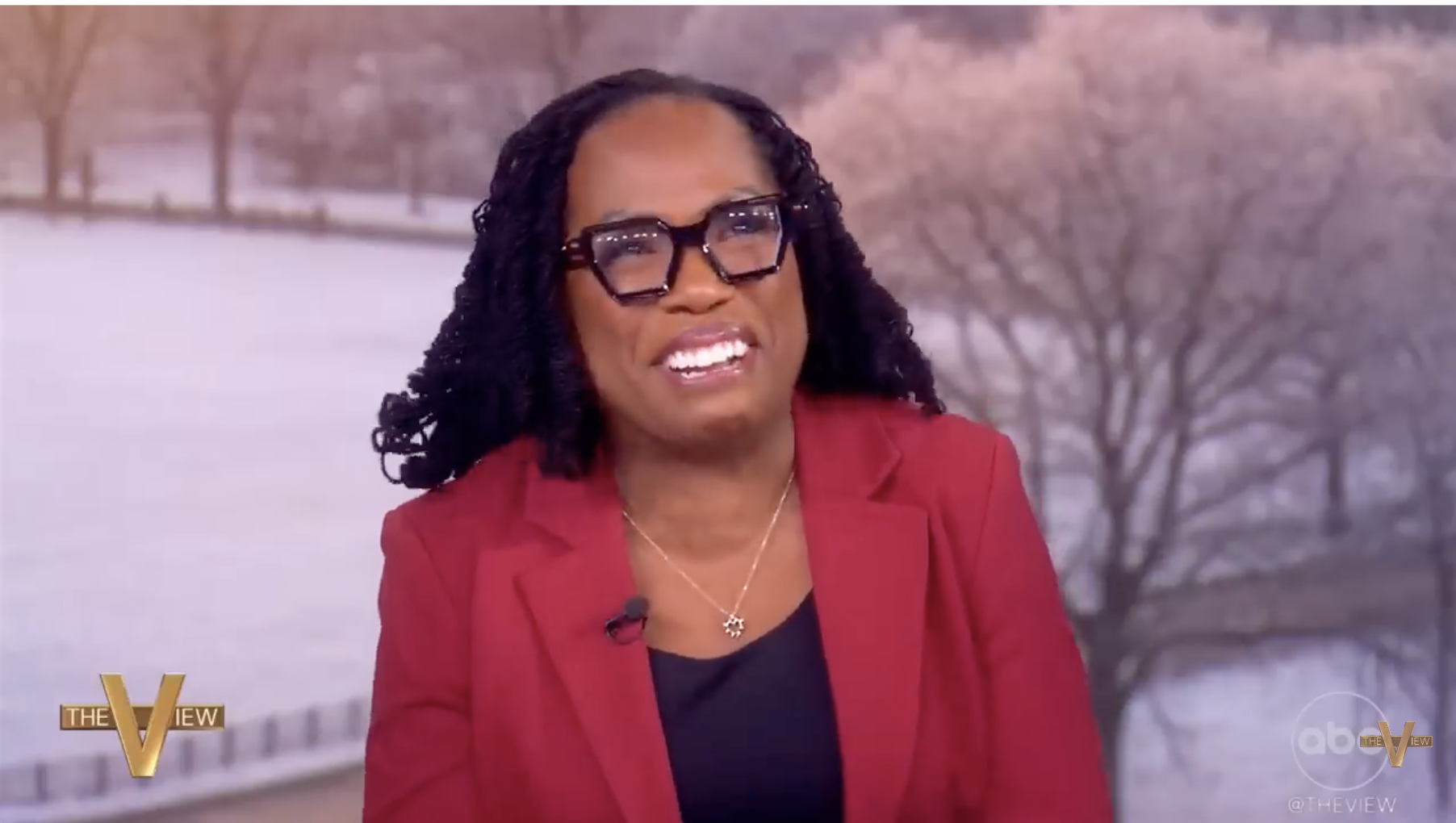
Justice Ketanji Brown Jackson recently drew significant attention and criticism for her comments during oral arguments in the Supreme Court case Trump v. Barbara, which centers on the constitutionality of birthright citizenship under the Fourteenth Amendment. This amendment guarantees citizenship to anyone born on U.S. soil, but the case challenges whether this right extends to children born to unauthorized immigrants or temporary visitors. Jackson’s remarks suggested a broad interpretation of allegiance and citizenship, sparking debate among legal experts and political figures about the implications of such a stance.
The case arises from former President Donald Trump’s executive order aimed at ending birthright citizenship, a policy he has repeatedly criticized as unique to the United States. Trump has argued that the U.S. is "the only Country in the World STUPID enough to allow 'Birthright' Citizenship," although research from Pew indicates that at least 32 other countries also grant citizenship based on birth within their borders. This context challenges the notion that the U.S. stands alone in this policy and highlights the complexity of the issue at hand.
the only Country in the World STUPID enough to allow 'Birthright' Citizenship,
During oral arguments, Justice Jackson used an analogy involving her own experience as a U.S. citizen visiting Japan to illustrate her interpretation of allegiance. She explained that if she committed a crime in Japan, she would be subject to Japanese law despite her American citizenship. Critics argue that this analogy oversimplifies the legal nuances of citizenship and allegiance, particularly in the context of U.S. immigration law, where the rights and status of children born to non-citizens have historically been treated differently.
Legal experts and commentators have pointed out that for decades following the ratification of the Fourteenth Amendment, it was understood that children born to temporary workers or visitors were not automatically granted citizenship. U.S. Solicitor General D. John Sauer emphasized this historical context during the proceedings, suggesting that Jackson’s broad interpretation may conflict with longstanding legal precedent. This disagreement underscores the tension between evolving interpretations of constitutional rights and traditional legal understandings.
What's at stake
Jackson’s comments have sparked a polarized response. Some critics have harshly condemned her reasoning, describing it as "insanely idiotic" and arguing that it threatens to undermine the legal framework that governs citizenship. On the other hand, supporters of birthright citizenship maintain that it is a foundational principle ensuring equality and protection under the law for all individuals born in the U.S. They warn that altering this policy could disenfranchise many people and have far-reaching social and legal consequences.
The debate over birthright citizenship is part of a broader national conversation on immigration reform and constitutional rights. Jackson’s judicial philosophy, as seen in her dissent in a recent First Amendment case where the Supreme Court ruled 8-1 against a Colorado law restricting counselors’ speech, reflects a progressive approach that some view as challenging traditional legal interpretations. This has raised concerns about how she and the Court might handle future cases involving constitutional and state authority issues.
The stakes in Trump v. Barbara are high, as the Supreme Court’s decision could redefine the legal landscape of citizenship and immigration policy in the United States. A ruling that limits birthright citizenship could affect millions of people, including children born to unauthorized immigrants, and reshape immigration enforcement and social policy. Conversely, upholding the current interpretation would affirm the longstanding constitutional protections but may face political opposition from those seeking stricter immigration controls.
As the Supreme Court prepares to issue its ruling, observers are closely watching how the justices will balance historical precedent, constitutional text, and contemporary social realities. The outcome will likely influence immigration debates and policies for years to come, affecting lawmakers, immigrants, and citizens alike. The decision is expected within the coming months, marking a critical moment in the ongoing discussion about citizenship, allegiance, and the meaning of the Fourteenth Amendment in modern America.
Why it matters
Justice Ketanji Brown Jackson’s comments have sparked debate over the interpretation of birthright citizenship under the Fourteenth Amendment. The case challenges whether children born to unauthorized immigrants or temporary visitors qualify for U.S. citizenship by birth. Jackson’s broad view of allegiance may set a precedent affecting future immigration and citizenship policies.
The Supreme Court is addressing a policy issue stemming from former President Trump’s efforts to end birthright citizenship. The ruling could have widespread legal and social implications for millions of people born in the United States.
Key facts & context
The Fourteenth Amendment grants citizenship to anyone born in the United States, a principle known as birthright citizenship. Trump v. Barbara is a Supreme Court case examining the constitutionality of this principle. Justice Ketanji Brown Jackson made remarks during oral arguments that have been criticized for their legal reasoning.
Jackson used an analogy involving her status as a U.S. citizen visiting Japan to discuss the concept of allegiance. U.S. Solicitor General D. John Sauer highlighted historical precedent that children born to temporary visitors were not granted citizenship. Former President Donald Trump issued an executive order aimed at ending birthright citizenship.
Pew Research shows that 32 other countries also grant citizenship based on birth within their borders. Jackson’s judicial philosophy includes a progressive approach to constitutional rights, as seen in her dissent in a recent First Amendment case. The Supreme Court’s decision in this case could reshape immigration and citizenship policies in the United States.
The ruling is expected to be issued within the next few months.
Timeline & key developments
2026-04-02: Justice Ketanji Brown Jackson Faces Scrutiny Over Birthright Citizenship Argument. Additional reporting on this topic is available in our broader archive and will continue to shape this timeline as new developments emerge.
Primary sources
Further reading & references
- (Additional background links will appear here as we cover this topic.)
Related posts
- Justice Jackson Criticized for Dissenting Opinions on Supreme Court
- Supreme Court to Hear Case on Birthright Citizenship Amid Immigration Debate
- Supreme Court to Review Birthright Citizenship Interpretation
- Justice Jackson Questions Role of Unelected Officials in Federal Agencies
- Chinese Billionaire's Surrogacy Raises Questions on Birthright Citizenship
- Supreme Court to Review Birthright Citizenship Precedent