TLT Explains
Supreme Court TPS Ruling Spurs Democratic Calls to Expand the Court Amid Immigration Debate
What's happening
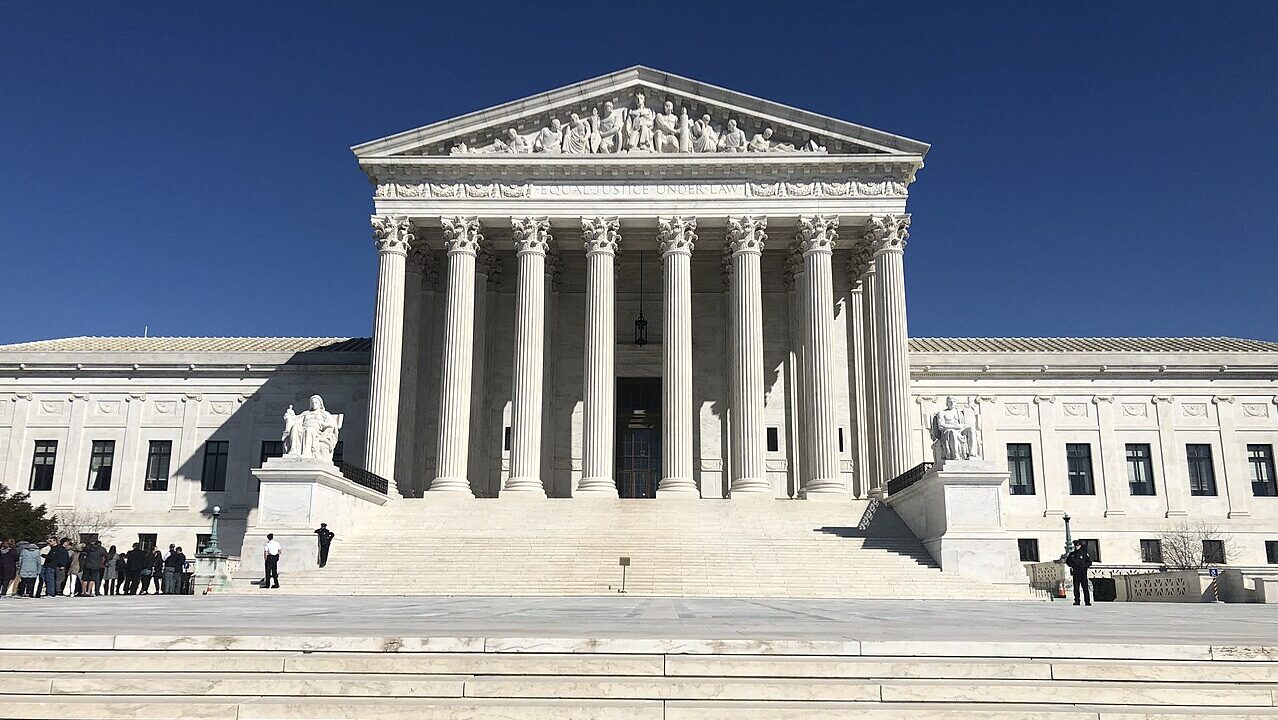
In June 2026, the U.S. Supreme Court issued a 6-3 ruling affirming that Temporary Protected Status (TPS) for certain foreign nationals is inherently temporary, thereby allowing the Trump administration’s efforts to terminate TPS for roughly 350,000 Haitian and 6,100 Syrian immigrants to proceed. This decision has reignited a contentious debate over immigration policy and judicial authority, drawing sharp criticism from Democratic lawmakers and immigrant advocacy groups. The ruling effectively ends a form of legal protection that has allowed many vulnerable individuals to live and work in the United States without fear of deportation, raising urgent questions about their future.
Temporary Protected Status is a humanitarian program designed to protect nationals from countries experiencing armed conflict, natural disasters, or other extraordinary conditions that make return unsafe. The TPS designation is granted by the executive branch and is meant to be temporary, but some recipients have lived in the U.S. for years or even decades. The Supreme Court’s decision in cases including Mullin v. Doe and Trump v. Miot clarified that the government’s revocation of TPS aligns with legal precedent, emphasizing the temporary nature of the status and the executive’s authority to end it.
The ruling has significant implications for communities with large Haitian populations, such as Central Ohio and South Florida. In Central Ohio, about 30,000 Haitians hold TPS, with places like Springfield seeing Haitians comprise nearly one-fourth of the local population. Community leaders and Democratic congressional candidates in South Florida have called on the Senate to extend protections for Haitians, highlighting concerns about the potential humanitarian and economic impacts of deportations. The decision has thus mobilized local and national advocacy efforts aimed at safeguarding TPS holders’ rights.
Democratic lawmakers have responded to the ruling by renewing calls for reforms to the Supreme Court itself. Representatives such as Seth Moulton and Yvette Clarke have publicly advocated for expanding the number of justices on the Court, a move often referred to as court expansion or court packing. They argue that the current conservative majority has issued rulings that undermine protections for vulnerable populations and overstep judicial boundaries. These calls reflect broader frustrations among some Democrats regarding the Court’s recent decisions on immigration and other contentious issues.
What's at stake
Supporters of the Supreme Court’s current structure emphasize the importance of maintaining judicial independence and upholding the Constitution. They contend that the Court’s ruling respects the rule of law and the executive branch’s prerogative in immigration policy. Critics of court expansion warn that altering the Court’s composition could erode its legitimacy and set a precedent for future political manipulation of the judiciary. This ongoing debate underscores the delicate balance of powers among the branches of government and the challenges of addressing politically charged legal questions.
Historically, proposals to expand the Supreme Court have surfaced during periods of political tension, but such efforts have rarely advanced. Some Democratic strategists suggest that if the party regains control of both the presidency and Congress, they might pursue structural changes, including adding justices and admitting new states like Puerto Rico and Washington, D.C., to shift the political landscape. These strategies aim to counteract what some perceive as a conservative tilt in federal institutions, but they also risk deepening partisan divides over the judiciary’s role.
The stakes of the Court’s TPS ruling extend beyond legal technicalities to affect hundreds of thousands of individuals and their families. Deportations could disrupt communities, separate families, and create economic hardships, especially in areas where TPS holders contribute significantly to local economies and social fabric. The ruling also raises broader questions about the U.S. immigration system’s capacity to respond humanely to crises abroad and the extent to which the judiciary should influence immigration policy.
As the debate over TPS and court expansion unfolds, Democratic leadership faces complex choices. Some officials have yet to publicly outline a clear path forward, leaving uncertainty about legislative or executive actions to protect TPS recipients. Meanwhile, grassroots organizations and affected communities continue to advocate for relief and reform. The coming months will likely see intensified political maneuvering, as the 2026 election cycle approaches and the future of the Supreme Court and immigration policy remain central issues.
Looking ahead, observers will be watching for potential legislative proposals to extend or replace TPS protections, as well as any moves by Democrats to pursue court expansion or other judicial reforms. The administration and Congress may also explore alternative immigration measures to address the needs of TPS holders. How these efforts unfold will shape the legal and political landscape surrounding immigration and the judiciary for years to come.
Why it matters
The Supreme Court ruling ends temporary protections for hundreds of thousands of Haitian and Syrian immigrants, affecting their legal status. Democratic calls for court expansion reflect frustration with recent conservative judicial decisions perceived as undermining immigrant rights. The decision highlights tensions between executive authority over immigration and judicial oversight of such policies.
Communities with large TPS populations face potential social and economic disruptions due to possible deportations. The debate over court expansion raises fundamental questions about judicial independence and the balance of power in government. Legislative and executive responses to the ruling remain uncertain, impacting the future of TPS and immigration protections.
The issue is likely to influence political dynamics ahead of the 2026 election cycle and beyond.
Key facts & context
The Supreme Court ruled 6-3 in June 2026 to allow the termination of TPS for approximately 350,000 Haitians and 6,100 Syrians. TPS is a temporary humanitarian protection granted to nationals of countries experiencing crises, allowing them to live and work in the U.S. without deportation. Central Ohio, including Springfield, has a significant Haitian TPS population, with Haitians making up about 25% of Springfield’s residents.
South Florida community leaders and Democratic candidates have urged the Senate to extend deportation protections following the Court’s ruling. Democratic lawmakers such as Rep. Seth Moulton and Rep. Yvette Clarke have publicly called for Supreme Court reforms, including expanding the number of justices. The Supreme Court’s decision emphasized the executive branch’s authority to revoke TPS, reinforcing its temporary nature.
Opponents of court expansion argue it could undermine judicial independence and set a precedent for politicizing the judiciary. Proponents of the current Court structure stress the importance of upholding the Constitution and the rule of law. Historical proposals to expand the Supreme Court have surfaced during political conflicts but have rarely been enacted.
The ruling has sparked renewed debate about the balance of power between the judiciary, executive, and legislative branches. The future of TPS protections and potential court reforms remain uncertain as political leaders weigh their options. The issue is a focal point in broader discussions about immigration policy and the role of the Supreme Court in shaping it.
Timeline & key developments
2026-06-26: Democrats Call for Court Expansion After Supreme Court Ruling on TPS. Additional reporting on this topic is available in our broader archive and will continue to shape this timeline as new developments emerge.
Primary sources
Further reading & references
Related posts
- Democrats Renew Push to Expand Supreme Court After Controversial Louisiana Redistricting Ruling
- Supreme Court Rejects Virginia Democrats’ Appeal, Upholds Contested Congressional Map
- Virginia Supreme Court Invalidates Democratic Redistricting Plan, Shaping Future Electoral Maps
- Democrats Renew Court-Packing Threats After Supreme Court Ruling on Redistricting
- Grassley Warns of Court Packing Threats from Democrats
- Virginia Democrats Consider Court-Packing Strategy After Redistricting Setback