TLT Explains
Supreme Court Rejects Virginia Democrats’ Appeal, Upholds Contested Congressional Map
What's happening
The U.S. Supreme Court has declined to hear an appeal from Virginia Democrats challenging a state court ruling that declared their proposed congressional map unconstitutional. This decision means that Virginia will move forward with a new congressional map featuring six Democratic and five Republican districts for the 2026 midterm elections. The ruling has sparked sharp criticism from Democratic leaders, who argue that the decision undermines voter rights and disregards the will of millions of Virginians. Meanwhile, supporters of the ruling contend it upholds the integrity of state constitutional processes and the rule of law. The controversy highlights ongoing tensions over redistricting and electoral fairness in the United States.
The background of this dispute traces back to a referendum initiated by Virginia Democrats aiming to redraw congressional districts in a way that would favor their party’s electoral prospects. However, the Virginia Supreme Court ruled against this referendum, finding the proposed map violated the state constitution. The Democrats subsequently appealed to the U.S. Supreme Court, seeking to block the implementation of the map. Legal observers anticipated the Supreme Court’s refusal to intervene, noting that the case primarily involved state constitutional issues rather than federal law. This distinction played a key role in the justices’ decision to let the lower court ruling stand without comment.
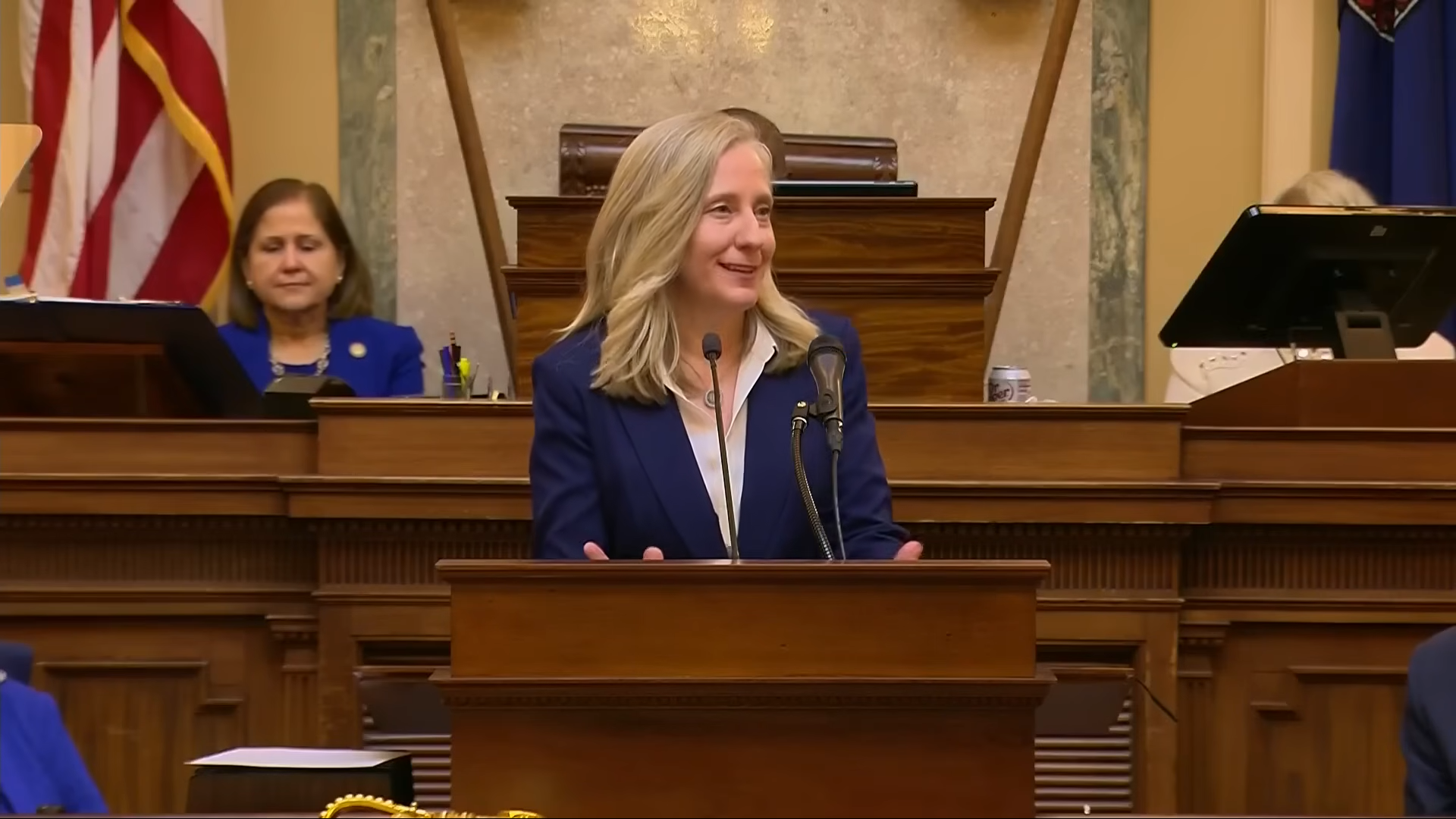
Key figures in this debate include Virginia Governor Abigail Spanberger and Attorney General Jay Jones, both Democrats who have publicly condemned the Supreme Court’s refusal to hear the appeal. Governor Spanberger described the decision as nullifying an election and disenfranchising over three million voters. Attorney General Jones framed the ruling as part of a broader attack on voting rights, linking it to actions by Republican-controlled state legislatures and conservative courts nationwide. On the other side, critics of the Democrats’ position emphasize that the party itself had requested the Virginia Supreme Court’s review after the referendum vote, raising questions about the timing and motivations behind claims of voter disenfranchisement.
What's at stake
The ruling has intensified partisan tensions amid a broader national conversation about redistricting and gerrymandering ahead of the 2026 midterms. Democrats have increasingly voiced concerns about the Supreme Court’s conservative majority, alleging that it facilitates partisan interests at the expense of electoral fairness. Some Democratic leaders have even called for expanding the Supreme Court as a remedy to perceived judicial overreach. Meanwhile, Republicans and supporters of the court’s decision argue that adherence to state constitutional processes is essential for maintaining the rule of law and preventing partisan manipulation of electoral maps.
The stakes of this ruling are significant for Virginia voters and the political landscape in the state. The congressional map now in place will shape the balance of power in Virginia’s delegation to the U.S. House of Representatives, potentially influencing the outcome of the 2026 midterm elections. Democrats, who hold a slight majority in the new map, see the ruling as a setback that could diminish their electoral prospects. Conversely, Republicans view the map as a fair reflection of the state’s political geography following judicial scrutiny. Beyond Virginia, the case underscores the ongoing national debate over how electoral districts should be drawn and who gets to decide those boundaries.
The dispute also reflects deeper questions about the role of courts in election law and the balance between state and federal authority. The Supreme Court’s refusal to intervene signals a reluctance to involve itself in state-level redistricting disputes unless clear federal issues are at stake. This approach may encourage more challenges to redistricting plans in state courts, where interpretations of state constitutions can vary widely. For political parties, this means that battles over electoral maps will likely continue to be fought in multiple legal arenas, with significant implications for voter representation and political power.
Looking ahead, the immediate consequence is that Virginia will conduct its 2026 congressional elections under the contested map approved by the state courts and upheld by the Supreme Court’s refusal to hear the appeal. Democrats may pursue other avenues to contest the map or seek legislative changes in future sessions. Additionally, the ruling may energize efforts within the Democratic Party to push for reforms to the Supreme Court or to advocate for independent redistricting commissions to reduce partisan influence. Observers will also be watching how this decision influences similar redistricting disputes in other states, as well as the broader national conversation about election integrity and voter rights.
Why it matters
The ruling allows Virginia’s new congressional map with six Democratic and five Republican districts to be used in the 2026 midterms. Democratic leaders argue the decision undermines voter rights and nullifies the will of millions of Virginians. Republicans and supporters say the ruling enforces state constitutional law and preserves the integrity of the redistricting process.
The case highlights ongoing partisan conflicts over redistricting and the role of courts in election disputes. The decision may influence future legal challenges and political strategies related to electoral maps in Virginia and beyond.
Key facts & context
The U.S. Supreme Court officially rejected an appeal from Virginia Democrats seeking to block a ruling against their proposed congressional map. The Virginia Supreme Court had ruled the Democrats’ referendum on redistricting unconstitutional under state law. The new congressional map features six districts favoring Democrats and five favoring Republicans for the 2026 elections.
Governor Abigail Spanberger and Attorney General Jay Jones criticized the Supreme Court’s refusal to intervene as disenfranchising voters. Legal experts noted the Supreme Court’s decision was expected due to the case involving state constitutional issues rather than federal questions. Democrats requested the Virginia Supreme Court’s review of the referendum after the election had taken place.
House Minority Leader Hakeem Jeffries emphasized that control of Congress will be decided by voters, not the Supreme Court. Calls to expand the Supreme Court have gained traction among some Democrats in response to perceived judicial overreach. Supporters of the ruling argue it reinforces adherence to state constitutional processes and the rule of law.
The ruling is part of a broader national debate on redistricting, gerrymandering, and election fairness ahead of the 2026 midterms.
Timeline & key developments
2026-05-18: Virginia Redistricting Ruling Fuels Democratic Criticism of Supreme Court. Additional reporting on this topic is available in our broader archive and will continue to shape this timeline as new developments emerge.
Primary sources
Further reading & references
- (Additional background links will appear here as we cover this topic.)
Related posts
- Virginia Supreme Court Invalidates Democratic Redistricting Plan, Shaping Future Electoral Maps
- Virginia Supreme Court Approves Controversial Redistricting Referendum Ahead of April Election
- Democrats Renew Court-Packing Threats After Supreme Court Ruling on Redistricting
- Virginia Democrats Consider Court-Packing Strategy After Redistricting Setback
- Miyares: Virginia Democrats' Redistricting Efforts Unconstitutional
- Utah Ruling Exposes GOP Retreat On Redistricting Battle