TLT Explains
CBS Correspondent Norah O'Donnell Faces Backlash Over Comments on Trump After Assassination Attempt
What's happening
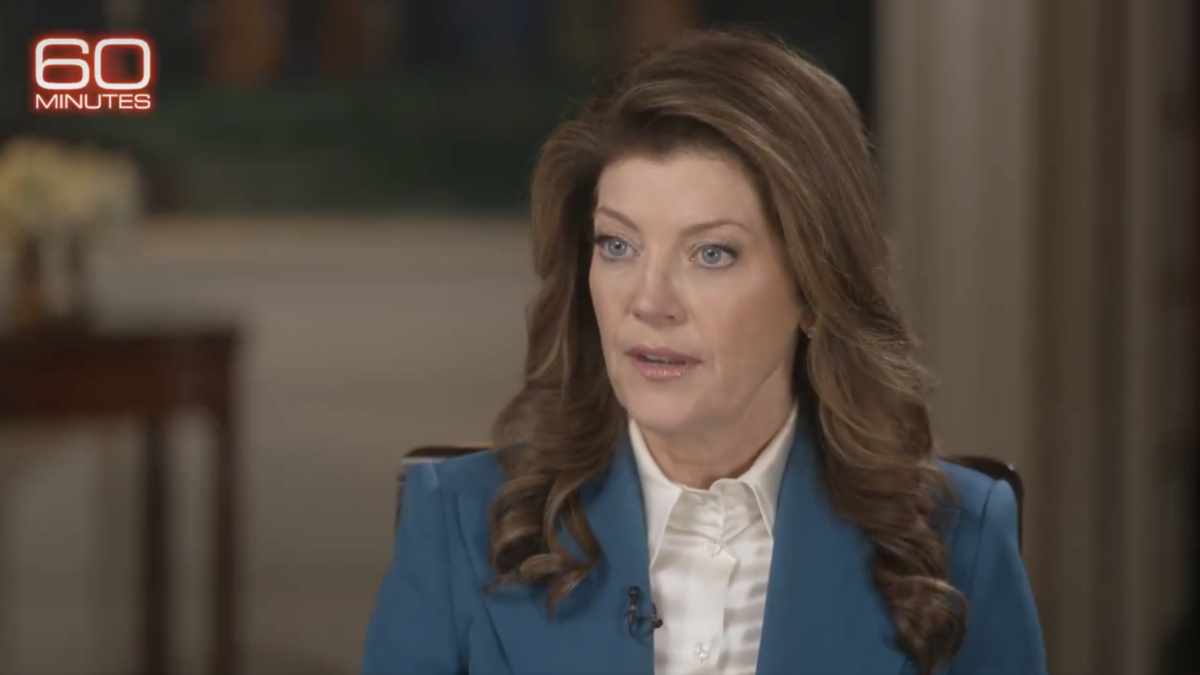
CBS correspondent Norah O'Donnell recently drew significant criticism following an interview with former President Donald Trump, in which she repeated accusations made by Cole Allen, an alleged would-be assassin. Allen reportedly attempted to breach a Secret Service checkpoint at the White House Correspondents’ Dinner just one day prior to the interview. In his manifesto, Allen expressed a desire to kill Trump and members of his cabinet, along with making graphic and inflammatory accusations against the former president. O'Donnell described the manifesto as a "stunning thing to read" and asked Trump directly for his reaction to its contents during the interview.
The incident has raised important questions about the role and responsibility of the media when reporting on violent threats and incendiary claims. Critics argue that O'Donnell’s decision to repeat Allen’s allegations without providing sufficient context or challenging their validity risks normalizing violent rhetoric and undermines journalistic standards. The accusations in the manifesto echoed longstanding and widely disputed narratives about Trump, including labeling him a "pedophile, rapist, and traitor." Such language, when repeated without critical examination, can contribute to a more hostile public discourse.
Donald Trump responded sharply to O'Donnell’s comments during the interview, accusing her and the media of being "horrible people" and stating, "You should be ashamed of yourself." His reaction highlighted the tension between political figures and the press, especially when sensitive and potentially inflammatory material is presented in a high-profile setting. The exchange underscored the challenges journalists face in balancing the need to report on threats and allegations while avoiding amplification of harmful or unverified claims.
The timing of the interview, coming so soon after the assassination attempt, intensified the scrutiny on O'Donnell and CBS. Some supporters of O'Donnell contend that bringing attention to threats against public figures is necessary for transparency and public awareness. However, many observers caution that the manner in which such threats are reported can have serious consequences, potentially encouraging further violence or deepening political divisions. This debate reflects broader concerns about media ethics in an increasingly polarized environment.
What's at stake
The backlash against O'Donnell’s approach also sparked discussions about the broader media landscape and its handling of politically charged topics. Critics suggest that sensationalism and the pursuit of provocative content sometimes overshadow responsible journalism, especially when covering controversial figures like Trump. The incident has fueled ongoing conversations about how journalists should navigate the fine line between informing the public and inadvertently legitimizing extremist views or violent rhetoric.
CBS has not issued a public statement defending O'Donnell’s comments or addressing the criticism, which has led to speculation about the network’s position on the matter. This silence may indicate a reluctance to further escalate the controversy or a strategic choice to avoid drawing additional attention. The lack of response has itself become a topic of discussion among media analysts and commentators, who are watching closely how major news organizations manage such sensitive situations.
Looking ahead, the incident involving Norah O'Donnell highlights the increasing challenges journalists face in covering politically volatile subjects amid rising threats and violence. Media outlets will likely need to reconsider editorial guidelines and the framing of sensitive material to maintain credibility and public trust. The way this story and similar ones are handled could influence future coverage of threats against public figures, shaping the standards for responsible reporting in a highly charged political climate.
As the political and media landscapes continue to evolve, the public and news organizations alike will be watching how CBS and other outlets respond to this controversy. Key questions remain about how to balance transparency with caution, and how to report on dangerous rhetoric without amplifying it. The coming weeks and months may see further debates on media ethics, editorial responsibility, and the impact of journalism on political discourse and public safety.
Why it matters
O'Donnell repeated accusations from an alleged would-be assassin who targeted a Secret Service checkpoint. The incident raises concerns about media responsibility in reporting violent threats and incendiary claims. Critics argue that repeating such allegations without context risks normalizing violent rhetoric.
Trump sharply criticized O'Donnell, highlighting tensions between political figures and the press. The controversy underscores challenges journalists face in covering politically sensitive and volatile topics.
Key facts & context
Cole Allen attempted to breach a Secret Service checkpoint at the White House Correspondents’ Dinner. Allen expressed a desire to kill Trump and his cabinet in a manifesto written before the incident. Norah O'Donnell described the manifesto as a "stunning thing to read" during her interview with Trump.
O'Donnell repeated graphic accusations from Allen's manifesto without challenging their validity. Trump responded by calling O'Donnell and the media "horrible people" and said she should be ashamed. The interview took place one day after the assassination attempt by Allen.
CBS has not publicly responded to the criticism of O'Donnell's comments. The incident has sparked debate about journalistic ethics and the media's role in political discourse. Critics warn that sensational reporting can contribute to a hostile environment and encourage violence.
Supporters argue that reporting on threats is important for public awareness and accountability. The controversy reflects broader tensions between the media and political figures in a polarized climate.
Timeline & key developments
2026-04-27: CBS Correspondent Norah O'Donnell Faces Criticism for Comments on Trump After Assassination Attempt. Additional reporting on this topic is available in our broader archive and will continue to shape this timeline as new developments emerge.
Primary sources
Further reading & references
- (Additional background links will appear here as we cover this topic.)
Related posts
- Chip Roy Urges Trump to Name More Aggressive Attorney General After Bondi's Exit
- Watchdog Files Bar Complaint Against Former FBI Director Wray Over Arctic Frost Investigation
- Acting Attorney General Todd Blanche Defends DOJ Amid Political Bias Allegations
- Trump Claims Political Retribution in CBS Interview
- NYT Is Terrified Of Mamdani, The Mayor It Helped Create
- Senate Majority Leader Thune Faces Criticism Over SAVE America Act Progress