TLT Explains
Chris Taylor and Maria Lazar Vie for Wisconsin Supreme Court Seat in High-Stakes Election
What's happening
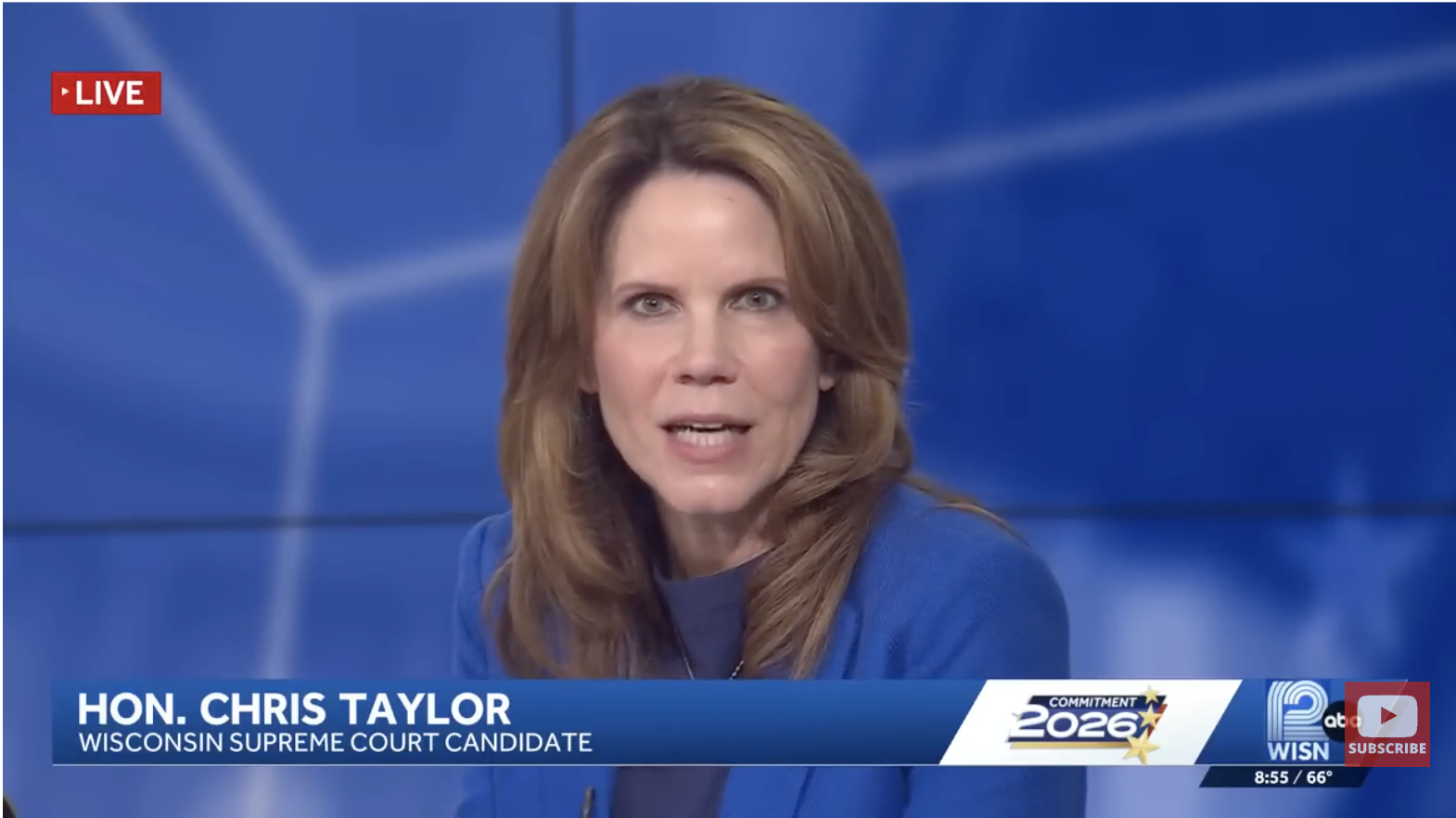
Chris Taylor, currently serving as a judge on the Wisconsin District IV Court of Appeals, is campaigning for a seat on the Wisconsin Supreme Court in an election scheduled for Tuesday. Taylor, known for her progressive views and advocacy for abortion rights, faces off against Maria Lazar, a judge on the state’s Third District Court of Appeals who is recognized for her conservative judicial philosophy. This election has drawn significant attention due to its potential to shift the ideological balance of the state’s highest court.
The race highlights a sharp ideological divide between the candidates. Taylor’s supporters emphasize her commitment to judicial independence and progressive values, pointing to her history as a public policy director for Planned Parenthood and her tenure as a liberal member of the Wisconsin State Assembly. In contrast, Lazar has positioned herself as a constitutional conservative, having defended policies such as Governor Scott Walker’s Act 10, which curtailed public labor union powers and was credited with substantial taxpayer savings. These contrasting backgrounds set the stage for a contentious campaign.
Funding and outside influence have become central issues in the race. Taylor has raised over $5.5 million, significantly outpacing Lazar’s reported $904,538. Much of Taylor’s financial support comes from the Democratic Party of Wisconsin and liberal political action committees, prompting critics to question the impartiality of her judicial approach. Despite these concerns, Taylor’s campaign emphasizes her dedication to fighting for marginalized communities and maintaining judicial independence, rejecting accusations that her funding compromises her neutrality.
The candidates’ stances on key policy issues have further polarized voters. Taylor is a vocal supporter of abortion rights and opposes measures that would restrict access to the procedure. She has also advocated for making Wisconsin a sanctuary state for unauthorized immigrants, a position that has drawn criticism from conservative groups. Lazar, meanwhile, has criticized Taylor’s positions as extreme, highlighting concerns about abortion policies, voter identification laws, and other cultural issues. This ideological clash underscores the broader political tensions influencing the election.
What's at stake
The stakes of this election extend beyond the candidates themselves. Currently, the Wisconsin Supreme Court holds a narrow 4-3 liberal majority. A victory for Taylor would expand this to a 5-2 liberal majority, potentially shaping rulings on abortion, immigration, labor rights, and other contentious matters for years to come. Given Wisconsin’s status as a politically significant swing state, the outcome could also influence the broader political landscape, including upcoming midterm elections.
Both candidates have mobilized their respective bases in anticipation of the election. Taylor relies heavily on progressive supporters who prioritize social justice and reproductive rights, while Lazar appeals to conservative voters focused on traditional values and fiscal responsibility. The intense campaigning reflects the high stakes and the importance of the court’s ideological composition in determining state policy directions.
Critics of Taylor argue that her past political affiliations and campaign financing raise questions about her ability to remain impartial on the bench. Supporters counter that her judicial record demonstrates a commitment to fairness and independence. Similarly, Lazar’s defenders praise her constitutional conservatism and fiscal prudence, while opponents warn that her positions may undermine protections for workers and marginalized groups. This debate over judicial philosophy is central to voter decision-making in the election.
As election day approaches, the outcome remains uncertain but consequential. If Taylor wins, the court’s liberal majority will be strengthened, potentially leading to rulings that support abortion rights and immigrant protections. A Lazar victory would maintain a more conservative balance, likely influencing the court to uphold policies favoring labor restrictions and traditional social values. Voters will weigh these implications carefully as they head to the polls.
Looking ahead, the results of this election will have lasting effects on Wisconsin’s judicial landscape and policy direction. Observers will closely monitor how the new court majority approaches key issues such as reproductive rights, immigration enforcement, and labor laws. The election will also serve as a gauge of political sentiment in a pivotal state, offering insights into the broader national climate as the midterm elections draw near.
Why it matters
Taylor’s background with Planned Parenthood and liberal legislative record highlight her progressive judicial approach. The significant funding from Democratic and liberal groups raises concerns about outside influence in the election. A Taylor win would create a stronger liberal majority on the Wisconsin Supreme Court, affecting future rulings.
The election outcome could shape policies on abortion, immigration, and labor rights in Wisconsin. Both candidates have energized their political bases, reflecting deep ideological divisions in the state. The race serves as a key indicator of political trends in Wisconsin ahead of the midterm elections.
Key facts & context
Chris Taylor is a judge on the Wisconsin District IV Court of Appeals seeking a seat on the Wisconsin Supreme Court. Maria Lazar is a judge on the Wisconsin Third District Court of Appeals known for her conservative views. The election is scheduled for Tuesday and is highly contested due to its ideological implications.
Taylor previously served as public policy director for Planned Parenthood and was a liberal member of the Wisconsin State Assembly. Lazar defended Governor Scott Walker’s Act 10, which limited public labor union powers and saved taxpayers over $35 billion. Taylor has raised over $5.5 million for her campaign, while Lazar has raised approximately $904,538.
Taylor’s funding mainly comes from the Democratic Party of Wisconsin and liberal political action committees. The current Wisconsin Supreme Court has a 4-3 liberal majority; a Taylor win would shift it to 5-2. Key issues in the campaign include abortion rights, immigration policies, and labor laws.
Taylor supports abortion rights and sanctuary state policies; Lazar opposes these positions. The election outcome will influence Wisconsin’s judicial decisions and broader state policy directions. Both candidates have mobilized their supporters extensively ahead of the election.
Timeline & key developments
2026-04-06: Chris Taylor Campaigns for Wisconsin Supreme Court Seat Amid Controversy. Additional reporting on this topic is available in our broader archive and will continue to shape this timeline as new developments emerge.
Primary sources
Further reading & references
- (Additional background links will appear here as we cover this topic.)
Related posts
- Wisconsin Supreme Court to Hear Appeal in Controversial 2020 Election Lawyer Case
- WI's Leftist Supreme Court Justices Have A Recusal Problem
- Wisconsin Supreme Court Upholds Tax Exemption for Catholic Charity
- Judges Criticize Supreme Court Amid Trump Administration Legal Battles
- Wisconsin Supreme Court to Decide on Tax Exemption for Catholic Charities Following SCOTUS Ruling
- Wisconsin Supreme Court Justice Refuses to Recuse After Criticizing Defendant