TLT Explains
Rep. Chip Roy Proposes Senate Strategy to Advance SAVE Act Without Filibuster Change
What's happening
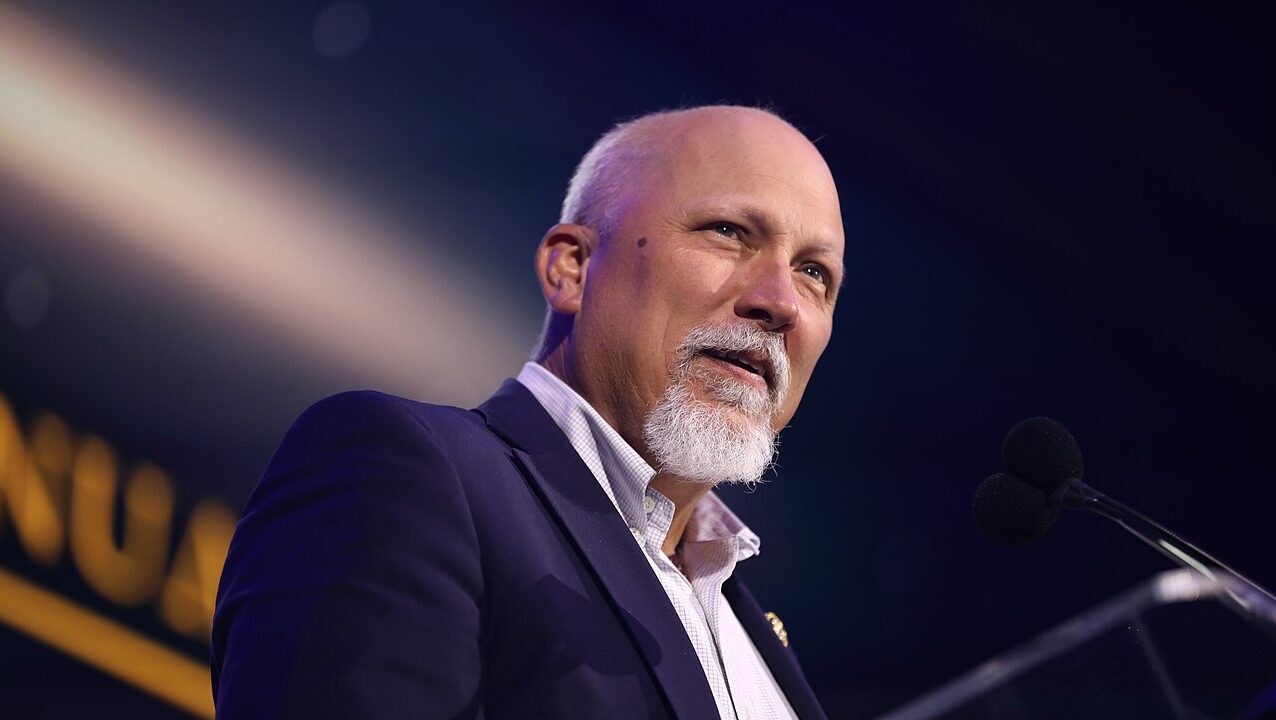
Rep. Chip Roy of Texas has introduced a strategic plan aimed at enabling the Senate to vote on the Safeguarding American Voter Eligibility (SAVE) America Act without altering the existing filibuster rules. In a detailed letter addressed to Senate members, Roy outlined a procedural approach that could bring the legislation to the Senate floor despite the current legislative gridlock that has stalled many bills. His proposal seeks to navigate Senate rules in a way that avoids the controversial 'nuclear option,' which would eliminate the 60-vote threshold typically required to end debate on legislation.
The SAVE Act, which passed the House narrowly, is designed to tighten voter eligibility requirements by mandating documentary proof of citizenship for voter registration and requiring voter identification at the polls. The bill aims to amend the 1993 National Voter Registration Act, addressing concerns about noncitizen voting, which critics argue undermines election integrity. While noncitizen voting is illegal, opponents of the current system contend that enforcement mechanisms are insufficient, leading to calls for stricter verification processes.
Roy's letter emphasizes that if all Republican senators who support the bill are present, they could establish a quorum that forces Democrats to continuously speak to delay the vote. Under Senate rules, if a quorum is present and no senator is speaking, the Senate must proceed to a vote on the pending business. This tactic, Roy suggests, could compel a vote on the SAVE Act without requiring a supermajority to end debate, effectively bypassing the filibuster's usual 60-vote threshold.
The proposal hinges on Republican unity, as the party currently holds 50 Senate seats and all would need to be present and coordinated to maintain the quorum and adhere to procedural rules. Roy also highlighted the importance of managing amendments and following the Senate's 'two-speech rule' to prevent extended debate that could further delay the vote. This approach would require disciplined coordination among Republicans to ensure the strategy's success.
What's at stake
Despite the House passage and Republican support, the SAVE Act faces uncertainty in the Senate. While 50 Republican senators have expressed support, it remains unclear whether all will back Roy's procedural plan or the bill itself. Democratic senators have not publicly responded to Roy's proposal, and party leadership has yet to outline a clear strategy regarding the legislation. The debate over the SAVE Act touches on broader partisan disagreements about voting rights and election security, making the Senate's response a key political battleground.
Public opinion polls suggest strong voter support for the SAVE Act’s provisions, with approximately 80% of Americans reportedly favoring citizenship and voter ID requirements. This widespread backing could increase pressure on senators to support the bill or explain their opposition. However, critics argue that the legislation could disproportionately impact minority and marginalized voters, raising concerns about potential disenfranchisement and the fairness of imposing stricter voting requirements.
The stakes surrounding the SAVE Act are significant, as the legislation addresses fundamental questions about voter eligibility and election integrity—issues that continue to be deeply divisive in American politics. The outcome of this legislative effort could influence future election laws and shape public trust in the electoral process. Both parties are closely watching how the Senate navigates these procedural challenges and the broader political implications of the bill.
Looking ahead, the success of Roy's proposed strategy will depend on whether Senate Republicans can maintain unity and effectively manage Senate rules to bring the SAVE Act to a vote. The timeline for this maneuver remains uncertain, but if Republicans proceed, it could force Democrats into a continuous speaking filibuster or lead to an automatic vote if the quorum is maintained and no senator speaks. Observers will be watching closely to see if this approach can break the current legislative stalemate and what impact it may have on future Senate procedures and election law debates.
Why it matters
Chip Roy has proposed a Senate strategy to advance the SAVE Act without eliminating the filibuster, aiming to avoid procedural controversy. The SAVE Act seeks to strengthen voter eligibility verification, addressing concerns about noncitizen voting and election integrity. Republican unity is crucial, as the strategy requires all GOP senators to be present and coordinated to maintain a quorum and force a vote.
The proposal could compel Democrats to continuously speak to delay the vote, or else trigger an automatic vote if no one speaks. Public support for voter ID and citizenship requirements is high, potentially influencing legislative decisions and political pressure.
Key facts & context
The SAVE Act passed the House with a narrow margin of 218-213 votes, including some bipartisan support. The bill would amend the 1993 National Voter Registration Act to require documentary proof of citizenship for voter registration. Noncitizen voting is currently illegal, but critics argue enforcement is insufficient, motivating the SAVE Act's provisions.
Senate Republicans hold 50 seats, meaning full party attendance is necessary to establish the quorum Roy describes. Roy's proposal relies on Senate rules that require a quorum and continuous speaking to delay a vote, otherwise an automatic vote occurs. The so-called 'nuclear option' involves changing filibuster rules to allow a simple majority to end debate, which Roy seeks to avoid.
Democratic leadership has not publicly responded to Roy's letter or outlined their position on the SAVE Act in the Senate. Public polls indicate about 80% of Americans support citizenship and voter ID requirements for voting. The SAVE Act's progress in the Senate remains uncertain amid partisan divisions over election laws and voting rights.
Roy's letter suggests Senate Majority Leader John Thune could bring the bill to a vote using this procedural strategy.
Timeline & key developments
2026-02-16: Chip Roy Proposes Senate Vote Strategy for SAVE Act Without Changing Filibuster Rules. Additional reporting on this topic is available in our broader archive and will continue to shape this timeline as new developments emerge.
Primary sources
Further reading & references
- (Additional background links will appear here as we cover this topic.)
Related posts
- Senate to Debate SAVE America Act Amid Filibuster and Election Integrity Disputes
- Senate Republicans Consider Talking Filibuster to Advance Controversial Voting Bill
- Senate Weighs Revival of Talking Filibuster Amid Push for SAVE America Act Voting Rules
- Senate Debates SAVE America Act to Strengthen Election Security Amid GOP Divisions
- Senate Leader McConnell Faces GOP Pressure to Advance Controversial SAVE Act on Voting Rules