The House of Representatives is preparing to vote on a significant piece of legislation that would require new data centers to pay for the utility costs they generate. This move comes after the Senate passed the measure with bipartisan support, approving it in a 62-33 vote. The bill is designed to shift the financial burden of energy-intensive data centers away from local ratepayers, while also streamlining the permitting process for energy and infrastructure projects across the country.
Explainer Ohio’s Proof-of-Citizenship Voter Registration Laws: Preserving Electoral Integrity Amid Legal Battles
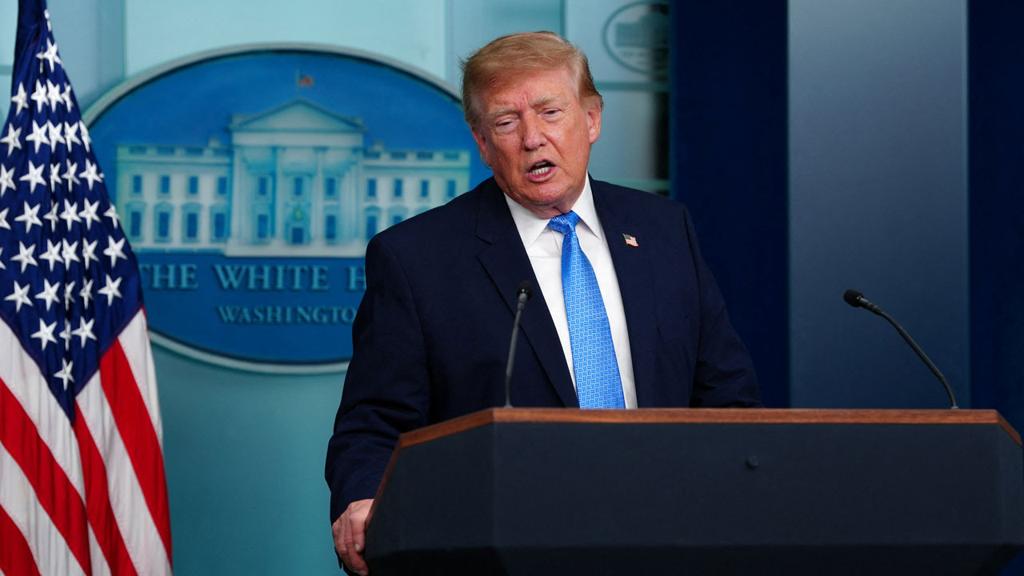
The legislation, known as the Bipartisan American Affordability and Jobs Act, is expected to be the last major bill signed by President Donald Trump from a Republican-led Congress. It includes several provisions aimed at easing regulations and environmental reviews for construction projects. One of the central features of the bill is that it allows states to charge data centers higher rates, with the goal of lowering electricity costs for nearby buildings. Additionally, the bill mandates that customers' share of new costs should reflect their direct benefits from these projects.
Senate Passage and House Debate
The Senate's approval of the bill was notable for its bipartisan nature, with 14 Democrats joining Republicans in support. Many Democrats were drawn to the bill by measures that make it easier to launch wind and solar energy projects, which are seen as key to the nation’s clean energy transition. However, despite the bipartisan vote, both conservative and liberal groups are urging House members to consider amending the Senate-passed version of the legislation. Jason Hayes, a senior research fellow for energy and environment at The Heritage Foundation, highlighted ongoing concerns about the bill's impact on ratepayers and the broader energy landscape.
"We have long advocated for protecting ratepayers from footing the costs of the data centers. By the same logic, the ratepayers shouldn’t bear the costs of the transmission lines when states and regions push for wind and solar energy," Hayes said, emphasizing the need for fairness in how costs are distributed.
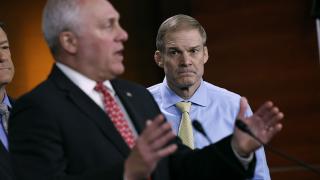
House Majority Leader Steve Scalise, R-La., has signaled strong Republican support for the bill. He described it as "critical legislation" that would "cut red tape, create jobs, and lower costs for families." Scalise has urged the House to pass the permitting reform bill and send it to President Trump for his signature, framing the legislation as a key step in promoting economic growth and energy independence.
Provisions on Permitting and Litigation
A major component of the bill is its effort to limit lawsuits under the National Environmental Policy Act (NEPA). The legislation would impose a 150-day window for litigation and require that plaintiffs have participated in the permit process in order to bring a lawsuit. Supporters of the bill argue that these changes would help curb what they describe as "lawfare"—the use of litigation to delay or block building projects, particularly those related to energy and infrastructure.
Sen. Eric Schmitt, R-Mo., highlighted the bill's focus on data centers, stating, "I voted for landmark legislation on permitting reform that, for the first time, forces data centers to pay their own way. No more fleecing ratepayers. It also unleashes American energy production by cutting leftist red tape and lowering costs, and it makes it easier to build in America again."
The permitting reform provisions are intended to accelerate the approval process for a wide range of projects, from traditional energy production to renewable energy installations. By shortening the window for legal challenges and requiring earlier participation in the permitting process, lawmakers hope to reduce delays that have historically slowed down infrastructure development.
Criticism and Concerns
Despite the bipartisan support in the Senate, the bill faces opposition from some House Democrats. Rep. Maxine Waters, D-Calif., ranking member of the House Financial Services Committee, has been a vocal critic of the measure. She argued, "If we cannot trust the Trump administration to fund clean energy projects as required by law, we must not make it easier for Trump to fast-track fossil fuel and data center projects for wealthy special interests and favored campaign donors."
Jason Hayes of The Heritage Foundation also noted a significant concern with the bill: an exception that allows a federal agency to reopen a permit review if it determines there is an "immediate, specific, urgent, substantial, and proximate" harm. Hayes argued that this language is overly broad and could be used by future administrations to halt projects on climate grounds, potentially undermining the bill’s intent to streamline permitting.
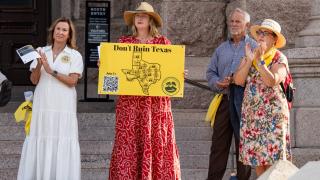
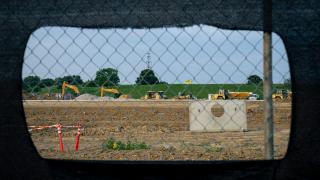
Data centers have increasingly drawn scrutiny from both Democrats and Republicans, especially during the recent campaign season, due to their heavy use of water and electricity and their impact on local communities. As demand for cloud computing and digital services grows, the number and size of data centers have expanded, raising questions about who should bear the costs of their energy consumption.
The House is expected to consider the bill in the coming days. Lawmakers from both parties are weighing the potential benefits of permitting reform and cost-shifting provisions against concerns about environmental oversight and the influence of special interests. The outcome of the House vote will determine whether the bill advances to President Trump’s desk for his signature, potentially marking a significant shift in how data centers and infrastructure projects are regulated and funded in the United States.