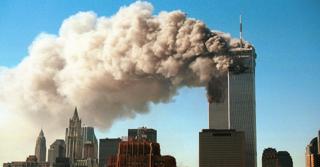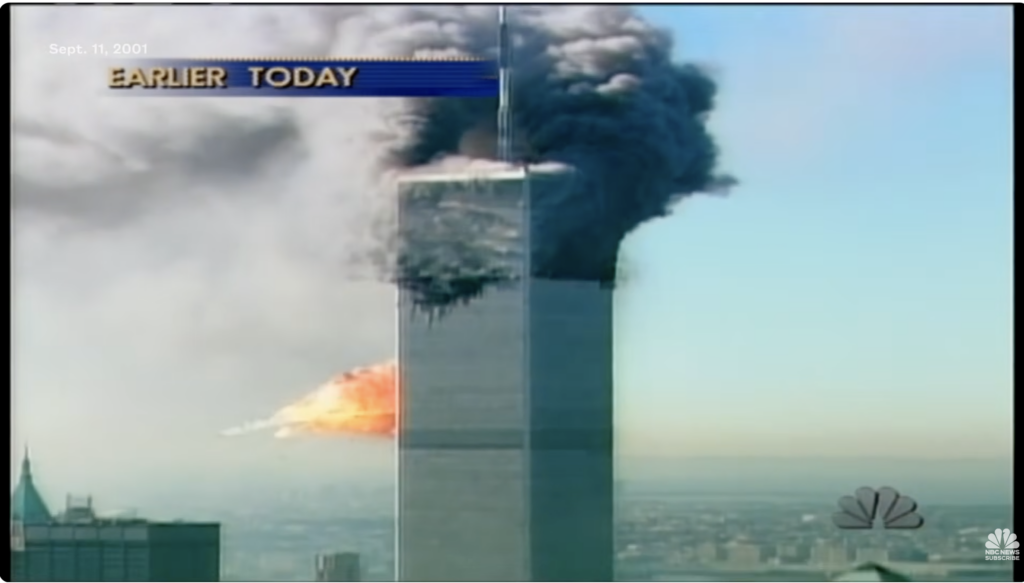
Fairfax County Public Schools in Virginia and the Canadian Broadcasting Corporation (CBC) have come under scrutiny for recent guidance and editorial decisions that critics argue downplay or omit the role of Islamic terrorists in the September 11, 2001, attacks. The controversy highlights ongoing debates about how public institutions teach and report on pivotal moments in history, particularly as the 25th anniversary of the attacks approaches.
The September 11 attacks, orchestrated by Osama bin Laden and al Qaeda, resulted in the deaths of 2,977 people and had profound and lasting effects on American society, foreign policy, and global security. The FBI continues to identify bin Laden and al Qaeda as responsible for the attacks. FBI: Osama bin Laden
Fairfax County School Guidance
A six-page guidance letter circulated by Fairfax County Public Schools advised teachers not to associate the 9/11 attacks with Islam or Muslims and to avoid focusing on "the extremists or the acts of the extremists." According to a report by 7News cited in The Federalist, the guidance encouraged educators to "design instruction around your students’ needs and experiences."
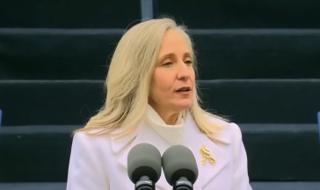
This approach has drawn criticism from some parents and community members. Stephanie Lundquist Arora, a Fairfax County parent, questioned the message being sent to students and families, particularly those directly affected by the tragedy. "What kind of message are you sending, especially to those children and those families who their parents were actually present during that tragedy, and then you’re just trying to sweep it under the rug or not include all the facts about it? It’s adding insult to injury," she said.
Supporters of the district’s guidance argue that it is intended to prevent harassment and hate crimes against Muslim students. The guidance notes that some families "worry about sending their children to school each September 11th because of increased incidents of harassment, violence, and hate crimes experienced by Muslim Americans." This reflects a broader concern about the potential for discrimination and the need to create a safe environment for all students.
CBC Editorial Policy and Reversal
In a separate but related incident, the CBC faced backlash after its Senior Director of Journalistic Standards and Public Trust, Basem Boshra, issued a memo instructing staff not to refer to the September 11 attacks as "terrorist attacks." Instead, the memo suggested describing the events as "hijackings [that] led to passenger jet crashes." The policy was intended to guide CBC’s coverage of the anniversary.
The decision prompted swift criticism from the public and political leaders. Conservative shadow minister Rachael Thomas called for Boshra’s dismissal, stating, "Canadians deserve a public broadcaster that tells the truth: that terrorists attacked and murdered thousands of innocent people on 9/11 and they should have no difficulty saying so."
Following the public outcry, CBC reversed the guidance. However, the broadcaster has not commented further on the matter, and Boshra remains in his position.
Calls for Curriculum Changes
The debate over how to teach about 9/11 has also reached the political arena. Rep. Tom Tiffany, who represents Wisconsin’s 7th Congressional District and is a GOP gubernatorial candidate, has called for state schools to require lessons on 9/11 and the terrorists responsible. Tiffany emphasized the importance of remembrance, stating, "We must never forget the 2,977 innocent lives taken, the first responders who ran toward danger, the passengers of Flight 93 who fought back, and the Americans who answered the call to serve our country in the years that followed."
Gordon Felt, whose brother Edward Felt died on United Airlines Flight 93, addressed teachers at a Flight 93 National Memorial program. He warned that "even worse than getting started wrong or using inappropriate language is the total omission of telling the story. That’s our biggest fear."
While a majority of U.S. states require or expect public schools to teach about the 9/11 attacks, Wisconsin does not, according to the Associated Press as cited by The Federalist. This has fueled calls for more consistent and comprehensive curriculum standards nationwide.
Broader Debate Over Historical Narratives
The dispute over 9/11 teaching is part of a larger conversation about history education in the United States. Projects such as the 1619 Project have sparked debate, with some lawmakers and historians arguing that such initiatives present a revisionist view of American history. Sen. Tom Cotton has criticized these approaches for omitting key facts and context.
Supporters of the guidance from Fairfax County Public Schools and CBC argue that careful language is necessary to protect students and communities from discrimination. They contend that focusing on the actions of extremists, rather than entire religious or ethnic groups, helps prevent the spread of prejudice and hate crimes. Critics, however, maintain that omitting or downplaying the role of Islamic terrorists in the attacks distorts historical reality and does a disservice to students and the public.
As the anniversary of 9/11 approaches, the debate over how to remember and teach about the attacks remains unresolved. Officials from Fairfax County Public Schools and CBC have not issued further public statements addressing the criticism, leaving the broader questions about historical narrative and educational responsibility open for continued discussion.