The Department of Justice (DOJ) announced charges against nine individuals on Thursday, alleging they fraudulently obtained nearly $1 million in government benefits. Six of the suspects are reportedly Dominican nationals who are in the United States illegally.
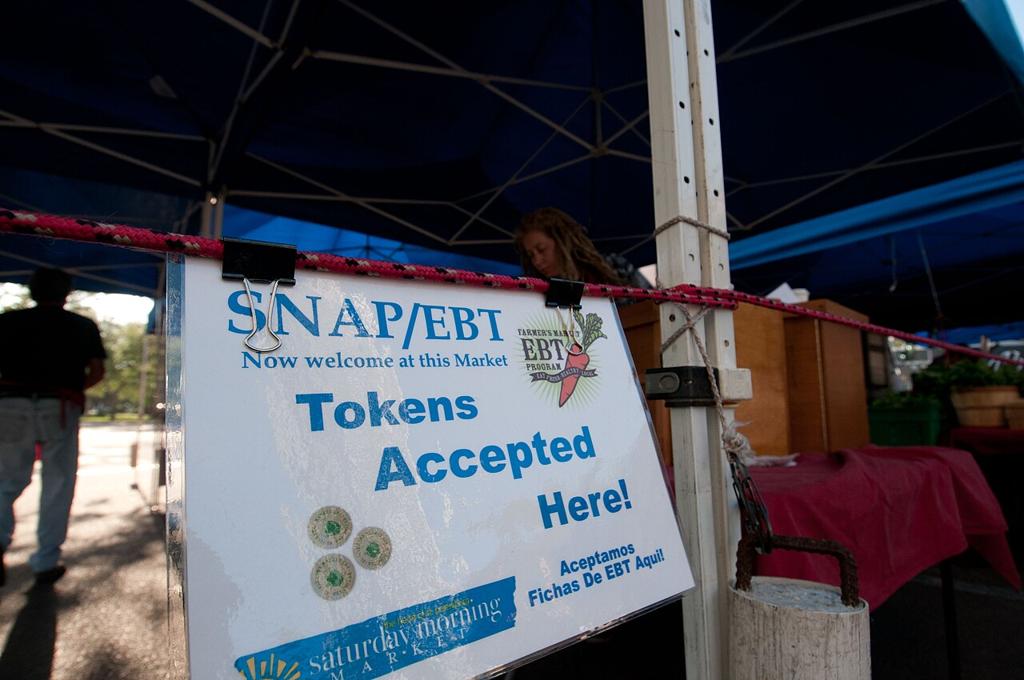
The charges, brought by U.S. Attorney for the District of Massachusetts Leah Foley, highlight a growing concern over benefit fraud schemes that exploit stolen identities to siphon taxpayer funds. Nearly $943,197 in public benefit funds were lost due to these alleged schemes, which included programs like the Supplemental Nutrition Assistance Program (SNAP), MassHealth, and Social Security benefits.
Key Details
Among those charged is Danis Piron Lara, a 51-year-old Dominican national accused of aggravated identity theft and unlawfully obtaining SNAP benefits. Another suspect, 44-year-old John Doe, also known as Wilkin Emilio Pimental Pereyra, faces similar charges. Other individuals charged include Oscar Gonzalez Melo, 59, and Cruz Augusta Pena Arias, 58, who were also accused of aggravated identity theft. All four are reported to have unlawfully resided in Massachusetts.
Background and Reactions
The DOJ also charged Erpawi Roque Collado, a lawful permanent resident from the Dominican Republic, and Efrain Rivera, a U.S. citizen from Puerto Rico. Collado is accused of unlawfully obtaining SNAP benefits, while Rivera faces multiple charges, including misuse of a Social Security number.
According to Foley's office, the suspects allegedly used stolen identities, often belonging to U.S. citizens from Puerto Rico, to obtain government-issued identification. This identification was then used to apply for and receive public benefits.
Broader Context of Fraud
The announcement of these charges coincides with Foley's establishment of a new Benefit and Voter Fraud Team, aimed at investigating potential fraud across various programs in Massachusetts. Assistant U.S. Attorneys Philip Mallard and Mark Grady will lead this task force, which is expected to focus on SNAP fraud, voter fraud, and childcare fraud.
“It has become apparent that there are no guardrails in place in Massachusetts to address this rampant fraud, and there is zero accountability. It is time to take benefit fraud seriously,” Foley stated during a press conference.
The DOJ's actions come amid increasing scrutiny of benefit fraud in Democrat-run cities and states. Minnesota, for example, has faced allegations of fraud involving its Somali community, raising concerns about oversight and accountability in public assistance programs.
Government Response and Future Actions
In response to the growing issue of fraud, President Trump recently appointed Vice President Vance to chair an anti-fraud task force. This group is tasked with developing a comprehensive national strategy to combat fraud affecting programs that provide housing, food, medical, and financial assistance.
While the DOJ's crackdown has garnered attention, critics argue that such initiatives may disproportionately target specific communities. Supporters of the crackdown, however, maintain that it is essential to protect taxpayer funds and ensure that benefits reach those who genuinely need them.
The DOJ has reported uncovering nearly $9 million in benefit fraud since December of last year, indicating a significant problem that officials are now prioritizing. As investigations continue, the impact of these charges on the broader landscape of public assistance programs remains to be seen.