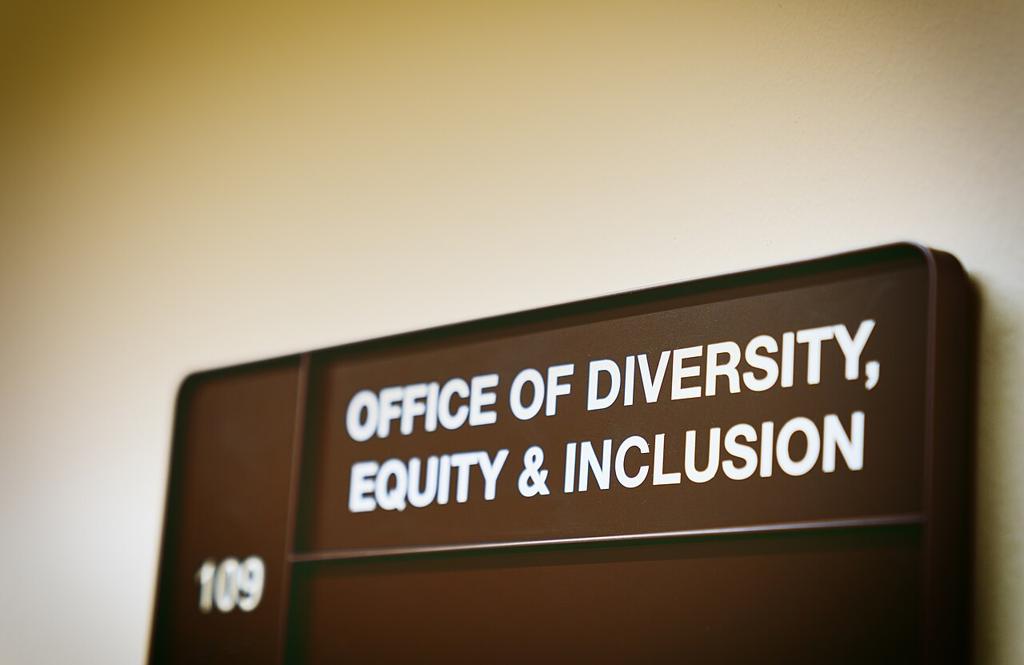
A federal appellate court has ruled in favor of President Trump by lifting a lower court's injunction that blocked his administration's efforts to eliminate diversity, equity, and inclusion (DEI) programs in federal contracting. The 4th Circuit Court of Appeals issued a unanimous decision on Friday, allowing the administration to proceed with its directives aimed at terminating federal contracts and grants related to DEI initiatives.
The ruling underscores the ongoing legal and political battle over DEI programs, which have been a focal point of contention in federal policy. Critics argue that these programs are essential for promoting equality, while supporters of the ruling contend they represent a misuse of federal resources.
The 4th Circuit's decision vacated a preliminary injunction from Maryland District Judge Adam Abelson, who had previously ruled against the enforcement of provisions in two executive orders signed by Trump shortly after taking office. Abelson, a Biden appointee, had argued that the orders posed a threat to free speech and could lead to penalties for those supporting DEI initiatives.
Key Details
Chief Circuit Judge Albert Diaz, an Obama appointee, wrote for the three-judge panel, stating that the plaintiffs lacked standing to challenge the “Enforcement Threat Provision” in one of Trump’s executive orders. He noted that the plaintiffs’ claims of fearing retribution were overstated and did not demonstrate an actual injury. "They claim that they fear retribution by defendants and that they’ll be forced to restrict ‘their speech and conduct in support of diversity, equity, and inclusion’ or face penalties," Diaz wrote.
Background and Reactions
While the court acknowledged that the plaintiffs had standing to challenge other provisions, it concluded they were unlikely to succeed on the merits. Diaz emphasized that Trump, as president, has the authority to set policy priorities, including the decision to terminate funding for equity-related projects. "Whether that’s sound policy or not isn’t our call. We ask only whether the policy is unconstitutionally vague for funding recipients," he stated.
The ruling also addressed the “Termination Provision,” which mandates that executive agencies end equity-related grants or contracts. Diaz pointed out that the president's directive reflects his administration's stance on funding priorities, which currently do not include equity initiatives.
In discussing the “certification provision,” which requires agencies to certify they do not operate unlawful DEI programs, Diaz remarked that the plaintiffs were essentially asking the court to interpret antidiscrimination law in a manner that was not warranted. "Neither is fertile ground for a facial attack against the Certification Provision," he concluded.
The court's decision remands the case back to Judge Abelson's court for further proceedings, effectively allowing the Trump administration to implement its policy changes regarding DEI funding.
Supporters of DEI programs have expressed concern over the implications of the ruling, arguing that it could undermine efforts to promote diversity within federal contracting. Critics of DEI initiatives, however, maintain that the programs often lead to divisive practices and misuse of taxpayer funds.
As the legal landscape surrounding DEI initiatives continues to evolve, the implications of this ruling may extend beyond federal contracting, influencing broader discussions on diversity and inclusion policies across various sectors. The 4th Circuit's decision reflects a significant shift in the judicial approach to these contentious issues, potentially setting a precedent for future cases.