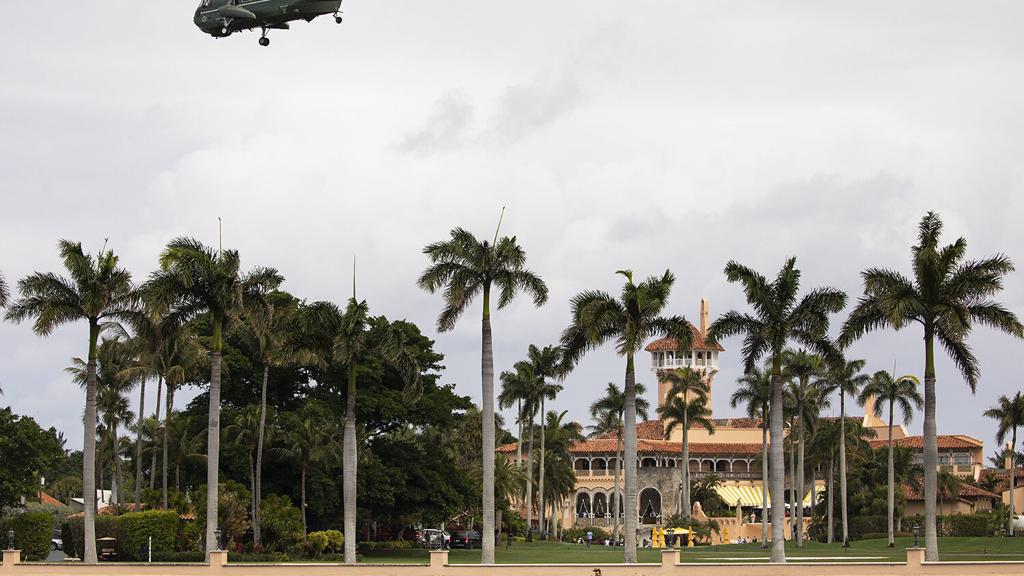
The FBI reportedly did not believe it had probable cause to execute a search warrant at former President Donald Trump’s Mar-a-Lago residence in August 2022. This information comes from emails released by Senator Chuck Grassley’s office, which indicate that the FBI proceeded with the raid under pressure from the Department of Justice (DOJ) despite internal concerns regarding the warrant's validity.
Explainer Understanding Immigration Enforcement: Policies and Controversies
FBI Emails Reveal Doubts Over Mar-a-Lago Raid Justification
The core tension in this situation lies in the apparent conflict between the reservations expressed by FBI officials about the evidence supporting the raid and the DOJ's insistence that the warrant met the probable cause standard. This raises significant questions about the decision-making processes within federal law enforcement agencies, particularly in high-profile cases involving political figures.
Background and Reactions
In a June 1 email, an unidentified FBI assistant special agent articulated concerns about the lack of corroborated information regarding the potential mishandling of documents at Mar-a-Lago. The agent noted, "Very little has been developed related to who might be culpable for mishandling the documents," and emphasized that the information being used to draft the search warrant was largely single-sourced and possibly outdated. Despite these serious concerns, the DOJ maintained that the search warrants were justified and necessary.
Further emails revealed ongoing discussions about the adequacy of the evidence leading up to the raid. A July 20 email indicated that the FBI's Washington Field Office did not believe it had established probable cause for the search warrant. The email stated, "DOJ has opined that they do have probable cause, requesting a wide scope including residence, office, storage space." It also noted that continued investigations had not uncovered any witnesses who reported seeing classified records at Mar-a-Lago since documents were returned to the National Archives in June 2022. This lack of corroborative evidence raises further questions about the justification for the raid.
In the weeks leading up to the raid, FBI officials expressed concerns about the optics of executing a search warrant that lacked solid evidence. An email from August 4 quoted then-Deputy Assistant Attorney General George Toscas, who reportedly said he "frankly doesn’t give a damn about the optics" of the search warrant. This statement reflects a tension between the FBI's desire to conduct the operation professionally and the political ramifications of such a high-profile action, suggesting that the agency was aware of the potential backlash.
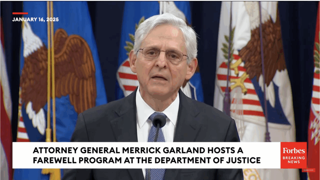
The FBI executed the raid on August 8, which subsequently led to Special Counsel Jack Smith bringing charges against Trump for allegedly mishandling classified documents. Critics of the investigation, including Trump and his supporters, have characterized it as part of a broader political effort to undermine him, labeling it as “lawfare.” However, the prosecution faced significant legal challenges, and in July, Judge Aileen Cannon dismissed the case, ruling that Smith's appointment was unconstitutional, as then-Attorney General Merrick Garland lacked the authority to appoint him.
Supporters of the FBI's actions argue that the investigation was necessary to uphold the rule of law and ensure that classified documents were handled appropriately. They contend that the potential risks associated with mishandling sensitive information warranted the search. However, the emails released by Grassley’s office raise significant questions about the justification for the raid and the internal deliberations that preceded it, highlighting a disconnect between the FBI's internal assessments and the DOJ's public stance.
As the fallout from the Mar-a-Lago raid continues, the implications for federal law enforcement practices and accountability remain a topic of discussion among legal experts and political analysts. The emails highlight the complexities and challenges faced by agencies like the FBI and DOJ when navigating politically sensitive investigations, particularly when the stakes are high and public scrutiny is intense.
The release of these emails may further fuel ongoing debates about the integrity of the investigation and the motivations behind the raid. Critics of the DOJ's approach argue that the lack of clear evidence undermines the legitimacy of the actions taken against Trump, while supporters maintain that the pursuit of justice must prevail, regardless of political considerations. This situation underscores the ongoing tension between law enforcement objectives and political realities in contemporary America.