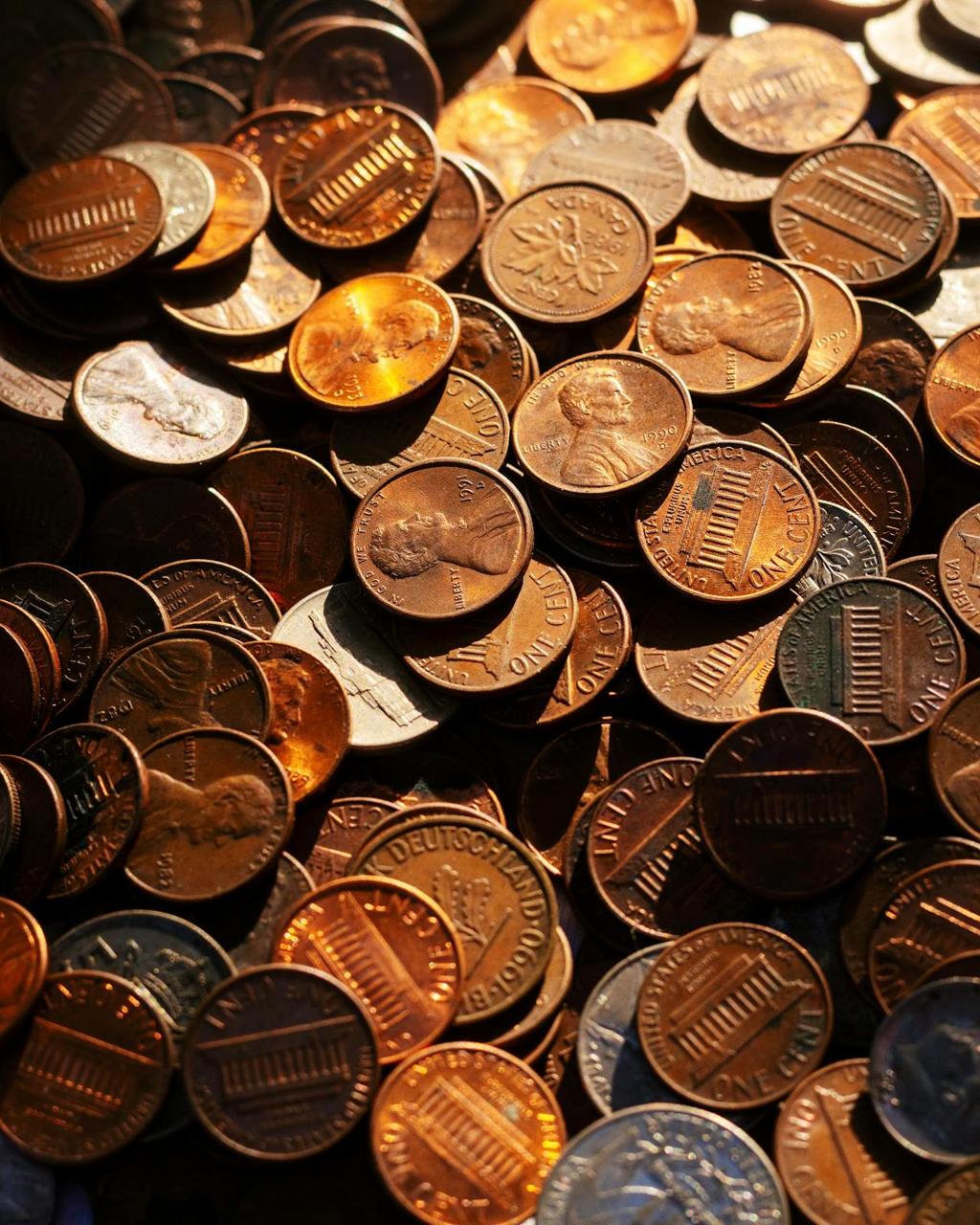
The debate over the future of the penny has resurfaced as the U.S. Treasury has ceased minting the coin. Critics argue that the penny is outdated and inefficient, while proponents advocate for its preservation, citing cultural and economic reasons.
Matthew Mehan, an Associate Dean and Professor at Hillsdale College, presents several arguments in favor of keeping the penny in circulation. He notes that the removal of the penny would not only affect its monetary value but also cultural references, such as the name "Penny," which many American women bear. "Pitching our little cent piece into the dustbin of history has now made the name sound old-fashioned," Mehan argues.
Mehan also highlights the potential impact on charitable giving, particularly among children. He suggests that without the penny, children may be less inclined to give to those in need, as they might be less willing to part with larger denominations. He states, "Millions of aggregate dollars will be lost to the poor, thereby hindering the trickle-down economic model from achieving its full potential."
The historical significance of the penny is another point of contention. The coin features the image of Abraham Lincoln, and Mehan warns that its removal could diminish public engagement with Lincoln's legacy and the lessons of the Civil War. He asserts that a reduced fluency with Lincoln’s life could lead to a decline in the importance of equality and civil rights.
Additionally, Mehan argues that the penny supports various industries, including coin collection and penny loafers, which could suffer economically from its abolition. He emphasizes that the penny plays a role in everyday transactions, making prices like $2.99 more appealing than $3.00, thus influencing consumer behavior.
The argument extends to social interactions as well. Mehan posits that the penny facilitates communication, suggesting that the cost of conversation would rise without it. He claims, "Any economist will tell you that the opportunity cost of paying a penny for your thoughts is far more favorable than if the going rate were a nickel."
As the debate continues, the future of the penny remains uncertain. Advocates like Mehan argue that the coin is more than just currency; it represents a connection to American history and culture. The call to preserve the penny reflects broader concerns about the loss of tradition in an increasingly digital economy.
In summary, while some view the penny as a relic of the past, others, including Mehan, see it as a vital part of American identity and economic practice. The conversation surrounding the penny highlights the tension between efficiency and tradition in modern financial discourse.